Español
 日本語
日本語 Deutsch

Article Directory
After two weeks with a full mesh office chair, most buyers feel great. Three months later, the same chair often starts to tell a different story. The seat mesh sags under the thighs, the backrest loses its spring, and the lumbar curve feels like a flat strap. If that sounds familiar, you are not alone.
Here is the conclusion up front: nearly every problem you can name with a full mesh office chair comes down to either the tension and durability of the mesh fabric, or the way the frame distributes pressure. Those two factors decide whether a chair stays comfortable for one year or five. The solutions below are equally practical, whether you're buying one chair for a home office or a container for a corporate project.
Sagging Mesh and Loss of Tension
Sagging is the most common complaint. The mesh looks taut on day one, but after repeated use, the fabric fibers stretch and the seat starts to feel like a hammock. When this happens, your hips drop below your knees and the chair stops supporting your thighs. The lumbar area also loses its push, so you end up slouching.
The root cause is usually the quality of the mesh itself. Low-cost chairs often use thinner elastic polymers that lose their recovery after a few hundred hours. A heavier frame and stronger mesh construction will hold tension longer. When you evaluate a chair, ask about the mesh weight density and the intended weight capacity. A practical rule is to choose a model rated for at least 120 kg if you want the seat to stay firm through a heavy work week. Also check whether the backrest has an adjustable tension knob, because that lets you compensate for small changes over time.
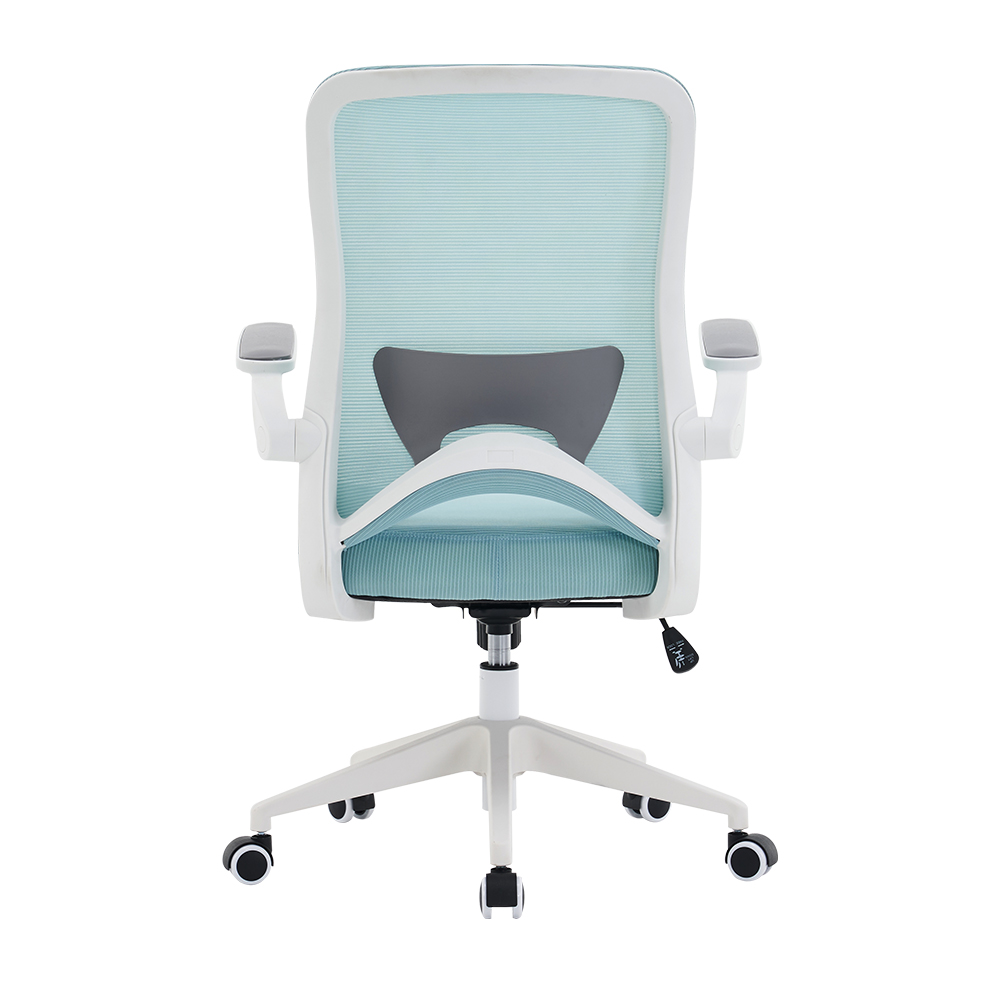 Model 5123 Durable Breathable Mesh Office Chair for Extended SeatingThis chair features a high-tensile mesh backrest for airflow and a robust frame for long-term corporate use. Its durable construction addresses common wear issues, making it a reliable choice for demanding work environments that value lasting comfort.View Product →
Mesh Wear, Fraying, and Small Tears
Mesh chairs are not indestructible. The most frequent damage happens at the front edge of the seat where the fabric bends under the thigh, or at the side seams where the mesh meets the plastic frame. A belt buckle, a zipper, or even a ballpoint pen left in a back pocket can slice through the weave. In a high-traffic environment, small tears spread quickly.
The fix starts with choosing a chair that has reinforced edge stitching and a denser weave. Denser mesh resists snagging and distributes wear more evenly. Also, avoid placing the chair next to sharp desk edges and inspect the underside of the seat every few months. If you are purchasing for a team, consider a model with a fabric protector or at least a replaceable seat cover. Replacing a damaged mesh panel is almost always cheaper than replacing the entire chair.
Poor Lumbar Support
A full mesh backrest can feel fantastic in a showroom, but after thirty minutes of typing, you might realize the backrest is too flat. Because the mesh conforms to your spine, the natural waist gap feels like it disappears, and the lower back muscles have to work overtime. This is a hidden contributor to fatigue and even back pain.
Look for a chair with an adjustable lumbar support that moves up and down, or forward and backward. Depth adjustment is especially important: a lumbar pad that sits slightly in front of the backrest curve protects the natural S-shape of your spine. For taller users, check that the lumbar support range covers the full lower back area. If your chair has no lumbar adjustment, adding a small ergonomic cushion is a temporary workaround, but it will never match a properly designed waist support.
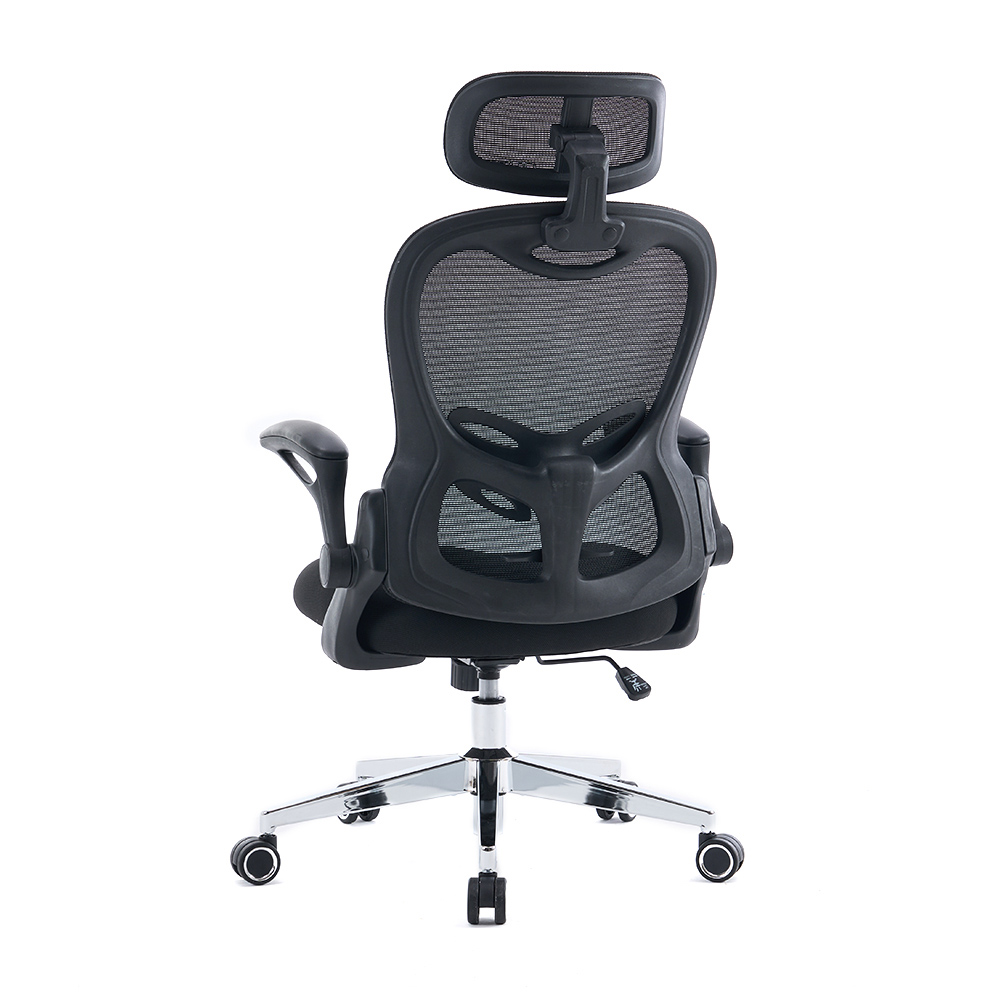 Black Ergonomic High-Back Mesh Chair with Adjustable Lumbar SupportIts adjustable lumbar and breathable mesh back provide personalized spine alignment and ventilation, reducing pressure during long sessions. The high-back design supports full-body posture, helping to prevent the fatigue and discomfort mentioned in the surrounding discussion.View Product →
Pressure Points and Numbness After Long Seating
A full mesh seat is breathable, but it can be harsh on the sit bones. The fabric is thin, and the two main contact points under the pelvis receive the entire upper body weight. After a long session, you may feel tingling in your legs or soreness in the glutes. This tends to appear more often with solid mesh seats that have no soft transition layer.
The most effective solution is selecting a chair that combines a mesh backrest with a saddle cushion, or uses a hollow seat mesh design. A hollow zone at the front of the seat helps reduce pressure on the thighs and perineum, while a well-shaped mesh profile distributes weight over a wider area. Many suppliers now add a thin memory foam layer under the seat fabric to soften the contact points without losing breathability. If you already own a mesh chair, adding a breathable seat cushion is the fastest fix.
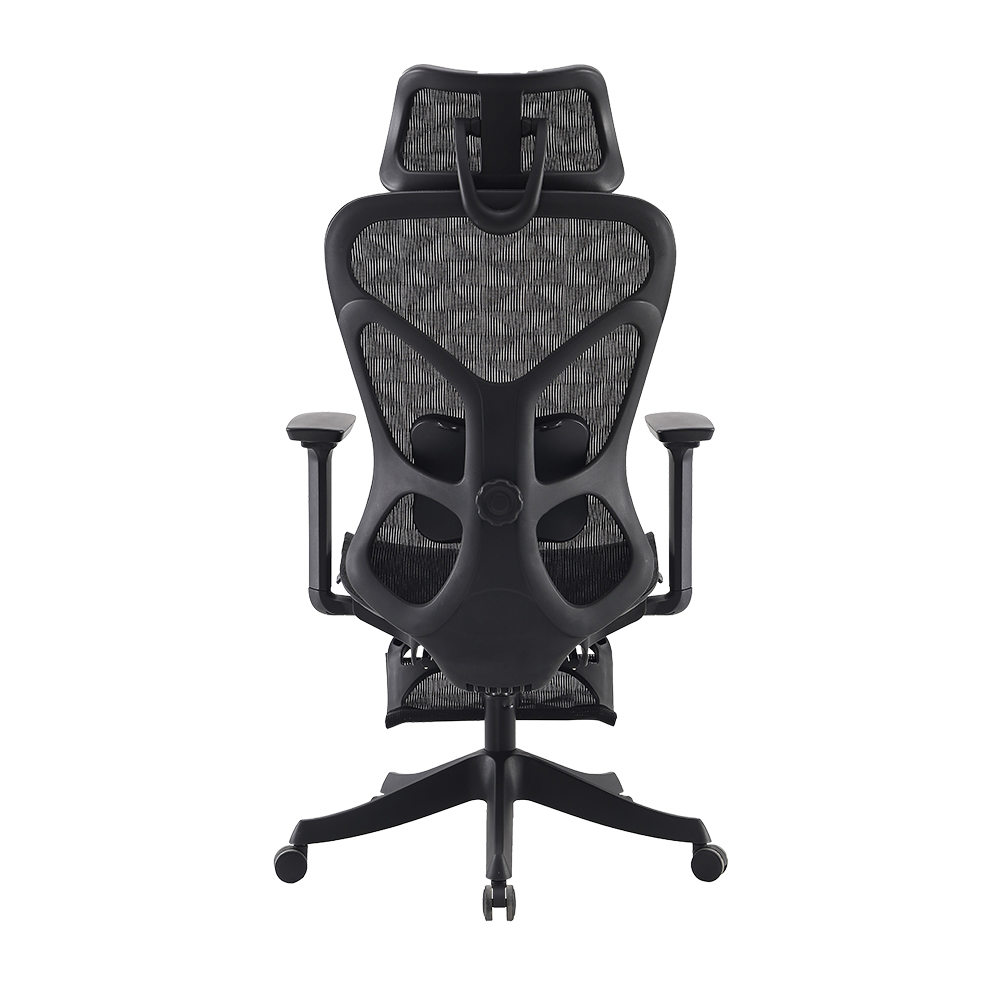 Hollow Cushion Ergonomic Office Chair with Reclining FunctionThe hollow cushion design improves airflow and pressure distribution, while the reclining feature allows dynamic posture changes. This chair helps mitigate thigh and perineum pressure, offering a practical response to the concerns raised about mesh seat comfort.View Product →
Recline Noises, Wobbly Bases, and Sticking Mechanisms
You may have experienced a chair that creaks every time you lean back. The noise usually comes from the metal joint between the seat plate and the gas lift, or from the recline spring. A wobbly base is more serious; it signals that the five-star base or casters are not properly torqued, or that the frame has an unacceptable tolerance.
Before you accept a chair, test the recline a few times. Press your weight on each armrest and move the chair side to side. If you hear grinding or feel a loose connection, the problem will not improve with time. Ask the manufacturer about the gas lift certification and the mechanism's cycle testing. In high-volume purchases, this is one of the first defects users notice, so it pays to fix it at the specification stage.
Cleaning and Odor Maintenance
Full mesh is more hygienic than foam in most ways, but it still collects dust, oil, and sweat. Over time, the mesh weave can harbor odors and become stiff. For a desk worker, the most common culprit is sweat from warm office environments, especially if the chair is used for eight hours at a stretch.
Maintenance is simple. Use a vacuum cleaner with a soft brush attachment once a week, and wipe the mesh with a damp, mild soap solution when needed. Do not use bleach or harsh solvents; they can break down the coating that gives the yarn its elasticity. Also, allow the chair to air dry fully before sitting in it. If the mesh gets really dirty, a steam cleaner on low setting works well. Good airflow from mesh actually reduces bacterial growth, which makes these chairs easier to live with than most people expect.
What to Look for When Buying Full Mesh Office Chairs
If you are evaluating a full mesh chair for yourself or for a wholesale order, focus on four points: the mesh quality, the seat structure, the mechanism, and the service support. The table below sums up the common problems and the practical checks you should run before you commit.
| Common Problem | Why It Happens | Practical Solution |
|---|---|---|
| Sagging mesh | Low elasticity fibers and repeated weight | Choose high-tension mesh rated for at least 120 kg |
| Fraying or tears | Contact with sharp objects and weak weave | Select reinforced edge stitching and denser mesh |
| Poor lumbar support | Flat backrest curve and fixed lumbar pad | Use adjustable lumbar support with depth control |
| Pressure points | Thin mesh seat with no cushioning | Pick a hollow cushion or hybrid seat |
| Recline noise | Loose joint or ungreased mechanism | Test gas lift and inspect mechanism cycle rating |
| Odor and dust | Sweat accumulation in weave | Vacuum weekly and wipe with mild soap |
Most mesh chair problems are avoidable. The industry has learned to design around them with better yarns, reinforced seams, and smarter seat geometries. When you choose a manufacturer, ask for their testing process for mesh tension and mechanism cycles. A supplier that can show a consistent quality control protocol is a better partner than one that only talks about comfort. If you want a deeper look at how mesh holds up over time, this guide on mesh chair durability and sagging explains what to check. Keep the checks in this guide in mind, and your full mesh office chair will stay supportive for years.