Español
 日本語
 Deutsch

Article Directory
After about the third hour of continuous sitting, most people begin adjusting their position: shifting weight, crossing a leg, or leaning forward on the desk edge. The reason is usually the seat, not the backrest. Seat design determines how body weight is distributed across the pelvis and legs, and that distribution decides whether an eight-hour workday ends with fatigue or with normal energy.
The ischial tuberosities, the two bony structures at the base of the pelvis, concentrate a large share of the load onto a small contact area. When the seat spreads that load evenly, the body holds a comfortable posture for hours. When the seat concentrates pressure, restlessness and numbness follow, and posture gradually collapses. A seat that fails to support the pelvis makes every other ergonomic adjustment less effective. This is why seat design should be the first thing evaluated in any office chair, not the last.
Cushion Materials and Pressure Distribution
The material under the upholstery determines how quickly your body registers fatigue.
Foam density and resilience
Foam density is the primary indicator of long-term seat support. High-resilience foam in the 45–55 kg/m³ range returns to its original shape after compression and continues to support the pelvis after months of daily use. Lower-density foam feels soft during a ten-minute trial, but it compresses permanently over the following weeks. A visible depression forms in the seat, tilting the pelvis backward and increasing strain on the lumbar spine.
Mesh seats and pressure relief
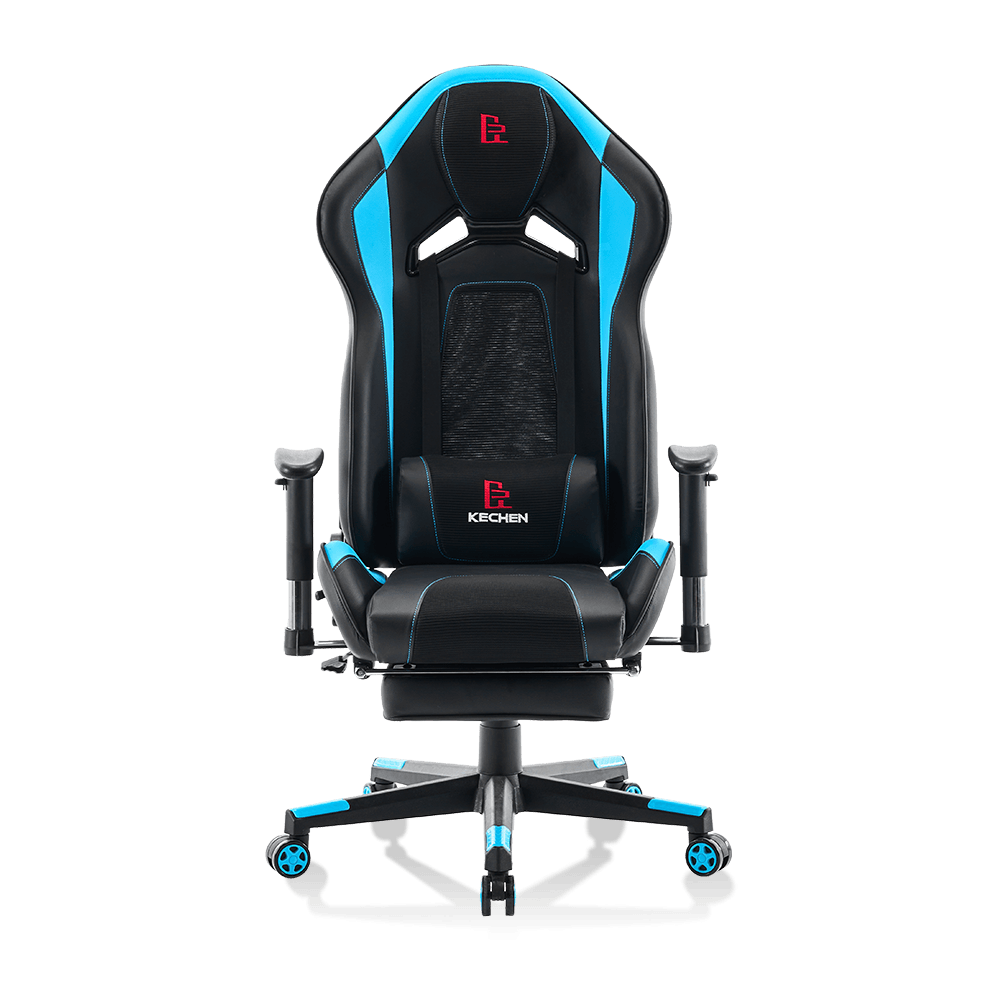
Mesh seating works on a different principle. Instead of a thick foam block, a tensioned fabric web is stretched across the frame. The mesh deflects locally under the sit bones, lowering peak pressure at the most vulnerable contact points. Some designs go further by using a hollow or cut-out cushion that keeps the tailbone clear of direct contact. Our hollow-cushion ergonomic mesh chair follows this approach: the hollow seat reduces pressure at the tailbone while the waist support maintains lumbar alignment through continuous seated hours.
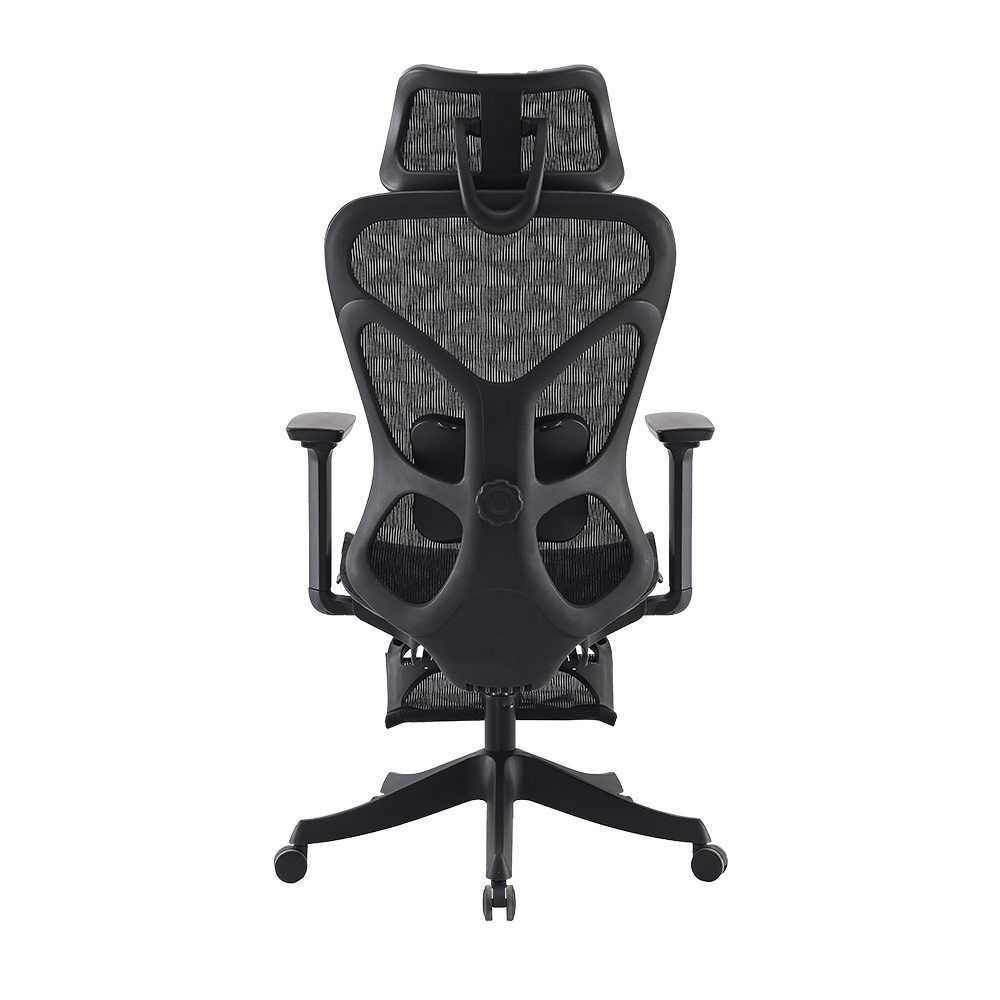 China Wholesale ODM/OEM 5128-1 Hollow cushion ergonomic chair waist computer chaAnji Kechen Furniture Co., Ltd. Is China Wholesale ODM/OEM 5128-1 Hollow cushion ergonomic chair waist computer chair swivel chair reclin...View Product →
Material comparison at a glance
| Material | Breathability | Pressure Distribution | Long-Term Support | Best Fit |
|---|---|---|---|---|
| High-density foam | Low | Good with proper shaping | Good when density is high | Office and executive chairs |
| Woven mesh | High | Good with tensioned weave | Good | Home office, task, and gaming chairs |
| PU leather over foam | Low | Good initially | Fair after extended use | Aesthetic-focused gaming chairs |
Seat Shape and Dimensions
Cushion material only performs when the seat pan fits the user. Three measurements deserve attention: depth, front-edge curvature, and width.
Seat depth and knee clearance
Seat depth is the distance from the back edge of the pan to the front edge. A standard range of 45–50 cm fits most adult users, while taller users need a longer pan and shorter users need a shorter one. The practical test is knee clearance: when you sit with your back against the backrest, leave roughly 3–5 cm between the back of your knee and the front rim. Less clearance means the pan presses into the soft tissue behind the knees. More clearance means the thighs lose support toward the front.
The waterfall front edge
A waterfall edge curves downward at the front of the pan instead of ending flat. This reduces the pressure the rim places on the underside of the thighs and behind the knees. Without it, even a correctly sized seat becomes uncomfortable within an hour because the straight edge cuts into circulation during long sits.
Seat width and freedom to shift
Seat width is about freedom, not only coverage. A wider pan allows the user to shift between postures, lean back, sit upright, or cross a leg without the edges pressing into the thighs. Narrow or heavily contoured pans restrict natural movement, and that restriction compounds over the course of a full workday.
Breathability and Heat Management
Temperature is the second most common driver of seat discomfort after pressure. The thighs and pelvis radiate heat continuously while you sit. Materials that trap heat cause sweating, skin friction, and a constant urge to adjust position. In warm offices, this becomes a distraction long before back pain appears.
Mesh seats are the strongest solution because the open weave allows continuous airflow between the body and the environment. That is not a minor preference. Data on how mesh breathability affects long-sitting comfort shows that heat and moisture buildup ranks among the top reasons people interrupt focused work sessions.
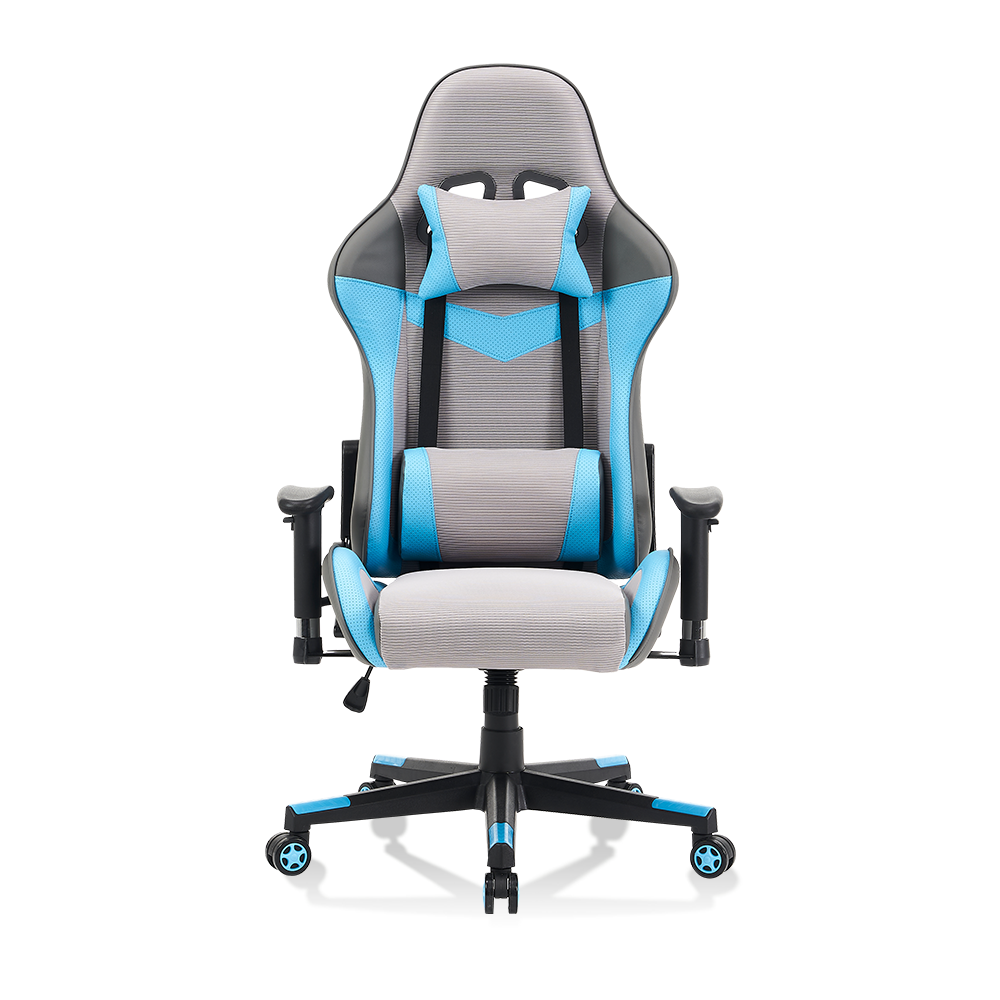
For summer months or naturally warm spaces, breathable seat material matters more than extra plushness. Our breathable mesh office chair for long sessions pairs an open-mesh seat with a durable frame so airflow keeps working through a full shift.
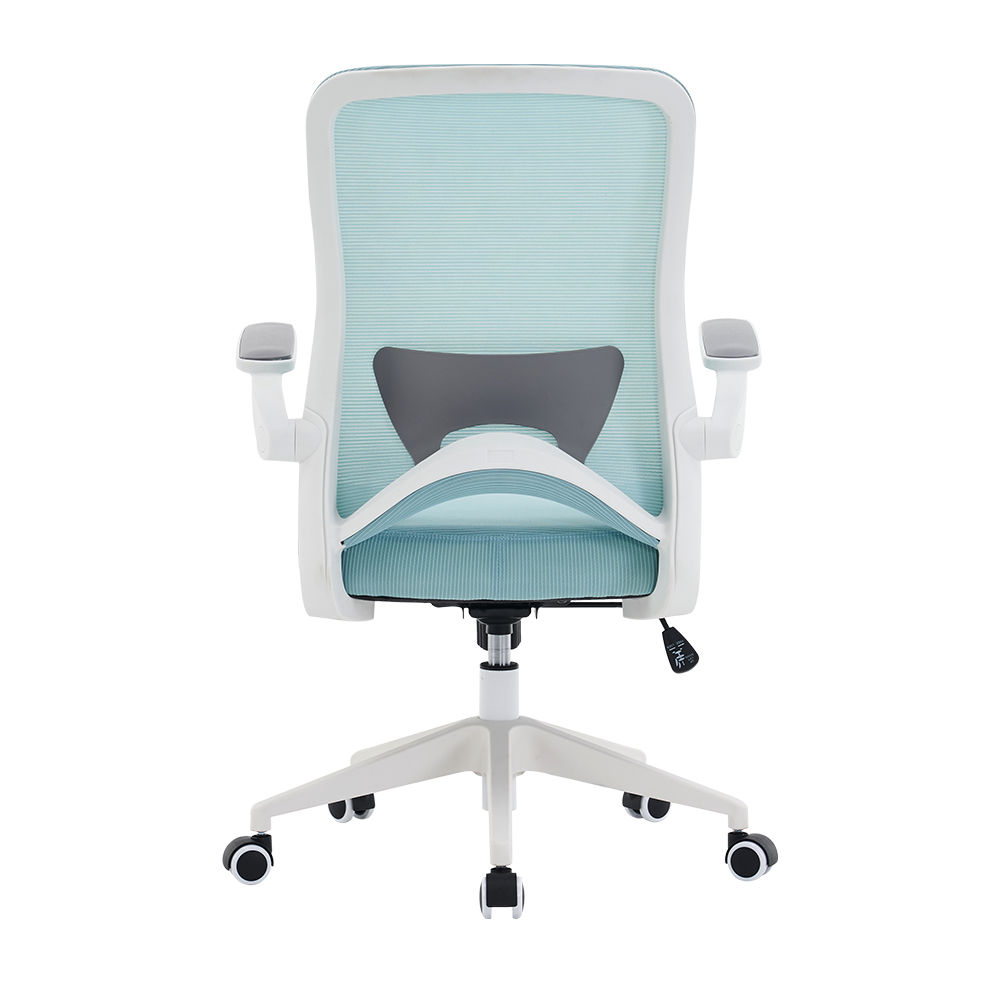 China Wholesale ODM/OEM 5123 Durable office chair comfortable breathable mesh chAnji Kechen Furniture Co., Ltd. Is China Wholesale ODM/OEM 5123 Durable office chair comfortable breathable mesh chair for long time use ...View Product →
Adjustable Seat Mechanisms
Seat comfort also depends on how well the chair adapts to individual body dimensions and work habits.
Seat height range
The gas-lift cylinder sets the baseline for all other adjustments. A practical range of roughly 42–52 cm from floor to seat top allows users at different heights to keep their feet flat and their thighs parallel to the ground. If the minimum seat height is too high, feet dangle, pressure shifts to the underside of the thighs, and posture deteriorates.
Tilt and synchronous mechanisms
A tilt mechanism on the seat pan keeps hips and thighs stable while the backrest reclines. In a synchronous mechanism, the seat angle and backrest angle change in a fixed ratio, preventing the sensation that the seat is sliding away during recline. For people who lean back periodically to rest the spine, proper tilt behavior keeps the entire seat engaged instead of creating a pivot point under the thighs.
Seat depth adjustment
Some mid-range and premium chairs add a sliding seat pan that adjusts depth by 3–5 cm. This solves fit problems cleanly: the seat extends for taller users and retracts for shorter ones without moving the backrest. Chairs without this feature simply require matching the fixed depth to the user's leg length.
Durability and Long-Term Performance
Comfort that disappears within months is not comfort; it is a purchasing mistake. Seat durability determines the true cost of a chair.
With foam seats, the risk is sagging. Compressed foam loses resilience and forms a permanent hollow, and the timeline depends on foam density and body weight. Lower-density foam can show visible compression within ninety days of daily use. With mesh seats, the risk is tension loss. A frame that flexes or stretches the weave unevenly softens the seat over time. Full data on how mesh chairs age and whether they hold their tension shows that frame quality and installation tension matter more than the initial feel of the fabric.
When comparing chairs, look for published foam density specifications and inspect the frame construction beneath mesh seats. A seat that feels firm but even is a more reliable long-term investment than one that feels soft on first contact.
Matching Seat Design to Your Actual Use
The best seat design depends on how you work and how long you stay seated.
- Office workers who sit six to eight hours need adequate seat depth, a waterfall front edge, and breathable material.
- Gamers and remote workers who combine desk sessions with long fixed postures need pressure relief and heat control.
- Students typically need a compact, height-adjustable seat that fits dorm desks and shared spaces.
Before buying, measure the seat depth, test knee clearance, and evaluate the temperature behavior of the upholstery in your actual room. If you are still weighing options, a practical guide on how to choose a mesh chair that suits your body and schedule explains the trade-offs between seat materials and adjustment ranges.
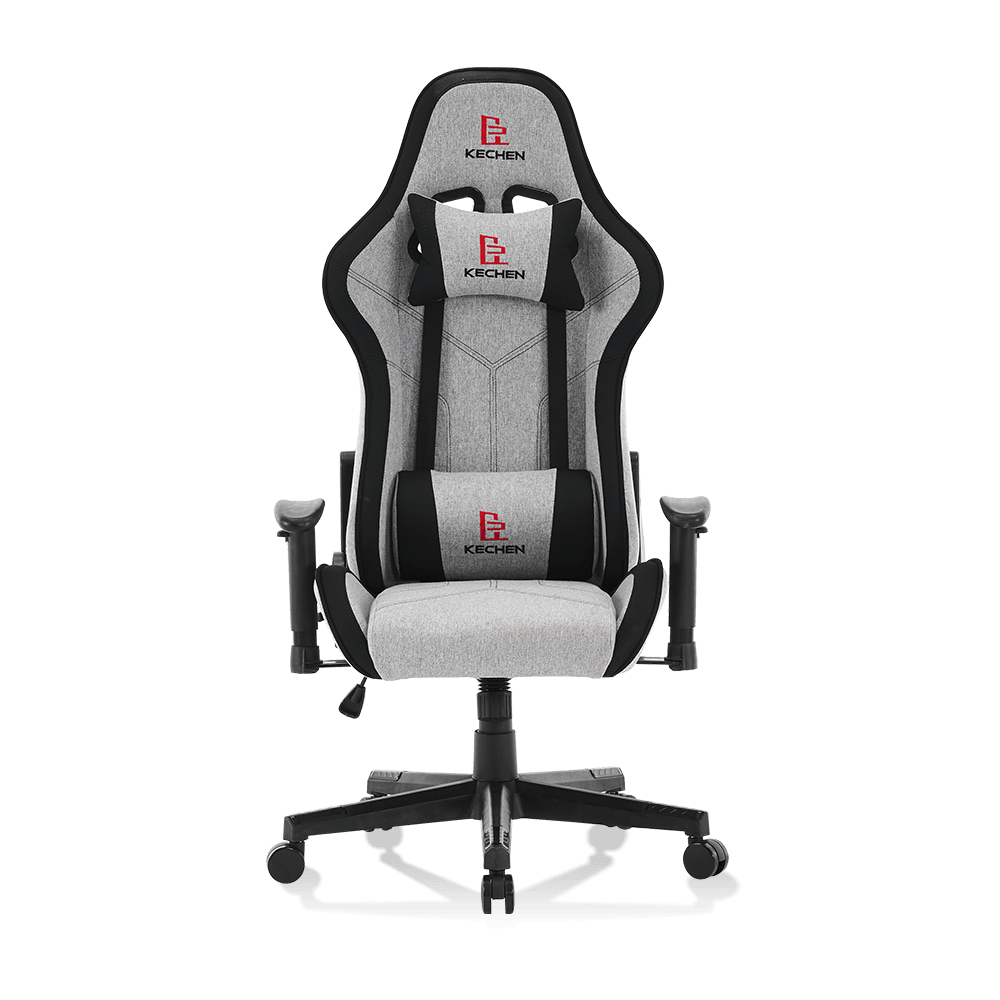
For users who consistently sit for more than four hours at a stretch, the head-support ergonomic home computer chair is an example of a seat designed for sustained sessions, with a well-shaped cushion profile and a supportive backrest that work together under continuous load.
 5096 Ergonomic Head Support Chair for Home, Gaming & Office Use5096 ergonomic chair with adjustable headrest, high-density seat, and tilt function, designed for long-term gaming, office, and home comp...View Product →
Final Thoughts: Start Your Next Chair Decision at the Seat
Seat design is the foundation of office chair comfort. Material, shape, airflow, and adjustment mechanisms all act on the small area where the pelvis meets the chair. Get these details right, and the backrest, armrests, and headrest can do their jobs. Get them wrong, and no amount of lumbar padding can compensate.
When evaluating the next chair, sit in it for more than a minute. Press the cushion, check the knee clearance, recline once, and feel whether the seat follows your hips. The chair that passes those simple tests is the one that will keep you comfortable through the year.