Español
 日本語
 Deutsch

Article Directory
- 1 What Are the Main Mesh Materials in Office Chairs?
- 2 How Mesh Creates Ergonomic Support
- 3 Mesh vs. PU Leather: What the Material Choice Actually Changes
- 4 Mesh Durability: Why Some Chairs Sag and Others Keep Their Shape
- 5 How to Choose the Right Mesh Chair for Your Workspace
- 6 Final Takeaway: Match the Mesh to the Sitting Job
What Are the Main Mesh Materials in Office Chairs?
Mesh backrests dominate modern office chairs because they solve heat and posture problems at once. Buyers often treat all mesh as identical, but the fabric inside the backrest decides how much support, airflow, and long-term durability you actually receive.
The conclusion first: office chairs rely on three main mesh families — polyester, nylon, and 3D stretch mesh. Each has different yarn thickness, tension behaviour, breathability, and cost.
Polyester Mesh
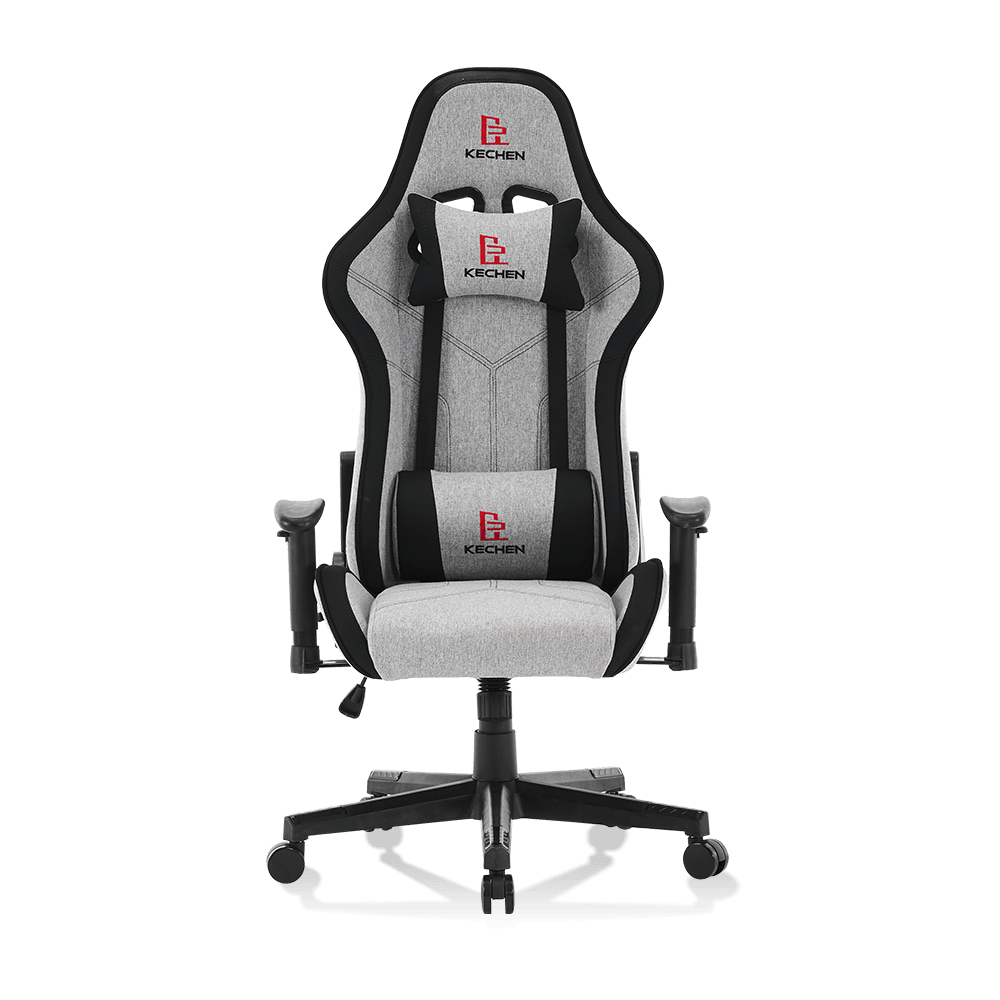
Polyester mesh is the standard, cost-efficient option for most office chairs. Yarns are typically formed into a rigid, open weave and may be coated with PVC to hold a firmer shape under load. It is highly breathable and easy to clean, which explains its popularity in budget and mid-range task chairs for daily office duty. A well-tensioned polyester mesh seat back gives acceptable support, but under long-term pressure, polyester can lose its snap-back stretch more quickly than nylon. When choosing a polyester mesh chair, look for a tight weave and a sturdy lumbar curve rather than an overly soft, loose surface.
If you need a practical everyday workhorse, the 5123 durable office chair with breathable mesh uses one of the most reliable polyester mesh constructions in our production programme.
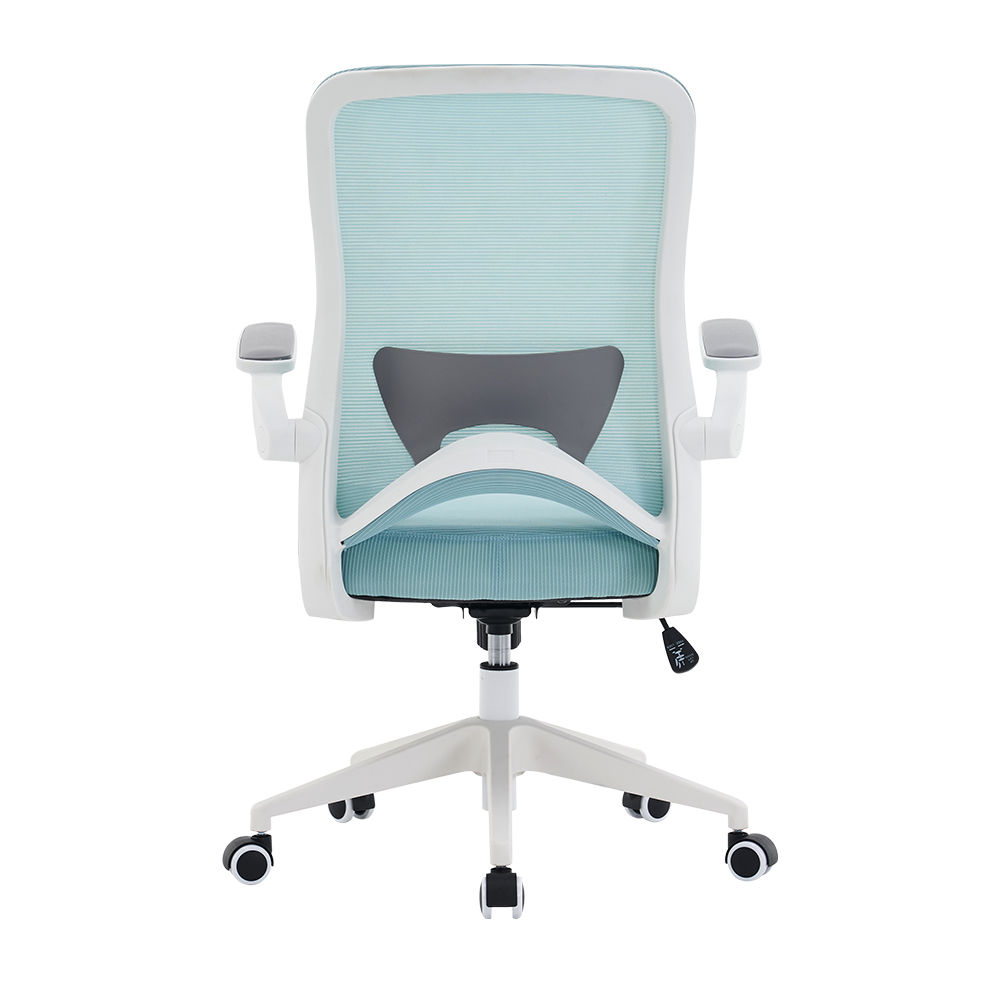 China Wholesale ODM/OEM 5123 Durable office chair comfortable breathable mesh chAnji Kechen Furniture Co., Ltd. Is China Wholesale ODM/OEM 5123 Durable office chair comfortable breathable mesh chair for long time use ...View Product →
Nylon Mesh
Nylon mesh steps up in durability. Nylon yarns withstand repeated stretching and pressure cycles without permanently deforming, so a nylon mesh backrest maintains its shape for years. It also wicks moisture more effectively than polyester, paying off in warm offices, meeting rooms, and long working hours.
For heavier users or high-frequency shifts, nylon mesh is the safer choice because it offers higher tensile strength and resists the creeping effect that turns chair backs loose and saggy.
3D Stretch Mesh
3D stretch mesh — also called flexible or suspension mesh — combines nylon and polyester yarns into a multi-directional weave. The entire panel moves with your back, distributing contact pressure across a wider area while maintaining lumbar hold. The result is a more forgiving seat that feels closer to a custom-fit backrest.
Because 3D stretch mesh generates high outward tension, the frame must be significantly stronger than standard chair frames, which is why you find it on premium ergonomic chairs and high-back gaming mesh chairs.
A rapid comparison helps you frame procurement decisions:
| Mesh Type | Base Material | Key Behaviour | Typical Use |
|---|---|---|---|
| Polyester mesh | Polyester with or without PVC coating | Breathable, firm, low cost, moderate durability | Standard office duty, home office |
| Nylon mesh | Nylon | High tensile strength, fast shape recovery, better moisture handling | Long shifts, warm climates, high-use shared offices |
| 3D stretch mesh | Nylon / polyester blend | Multi-directional flexibility, adaptive lumbar follow, premium comfort | Ergonomic chairs, gaming chairs |
How Mesh Creates Ergonomic Support
Mesh backrests support the spine with tension, not cushioning. When you sit back, the fabric stretches slightly and pushes back with proportional resistance. That force keeps your lumbar region in the correct curve without the heavy, fixed shell you feel from padded chairs.
Two details determine how much real support you get: mesh density and frame shape. If the mesh is too loose or too soft, the lumbar curve flattens, and your lower back strains to hold the posture. If the frame curves properly, the stretched mesh acts as a spring that maintains your natural alignment over eight-hour shifts. For more on the biomechanics, our guide on how mesh chair backrests affect your back explains what to test before purchase.
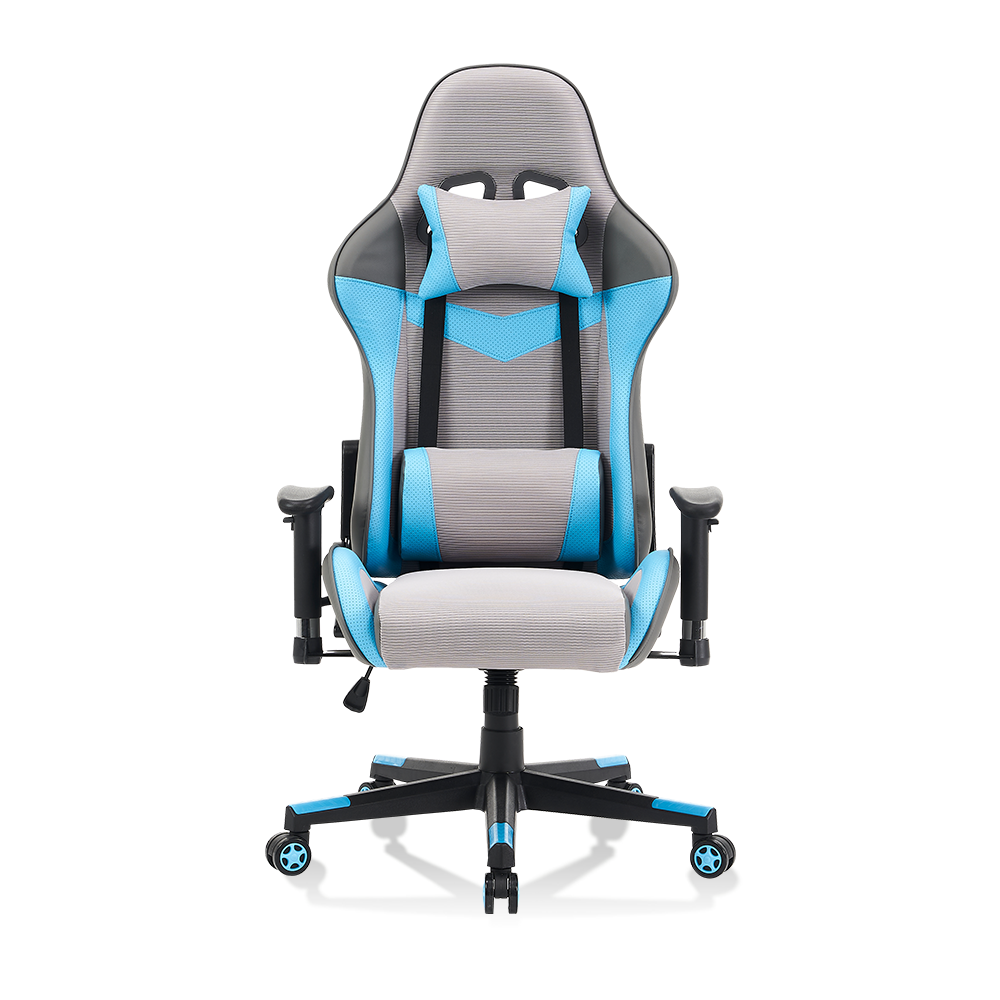
The same tension principle works across different product tiers. A chair like the 5124 breathable mesh gaming chair with headrest support combines a flexible mesh back with extra lumbar pads, providing both support and adjustable pressure for users who switch between office tasks and gaming sessions.
 Breathable Mesh Gaming Chair - Ergonomic Home & Computer Game ChairUpgrade your setup with our ergonomic mesh gaming chair. Features a breathable home backrest, adjustable height, lumbar support, and 360°...View Product →
Mesh vs. PU Leather: What the Material Choice Actually Changes
Choosing between mesh and PU leather is not about looks; it changes how heat and moisture move around the body. Mesh lets air flow through the backrest, so body heat escapes and sweat evaporation is faster. PU leather traps heat near the skin, which makes long meetings or concentrated work uncomfortable, especially in summer.
For buyers, the real winner is often a mixed construction: a padded seat cushion with a breathable mesh backrest. That combination gives you the weight distribution you need on the sitting bones while still keeping your back dry.
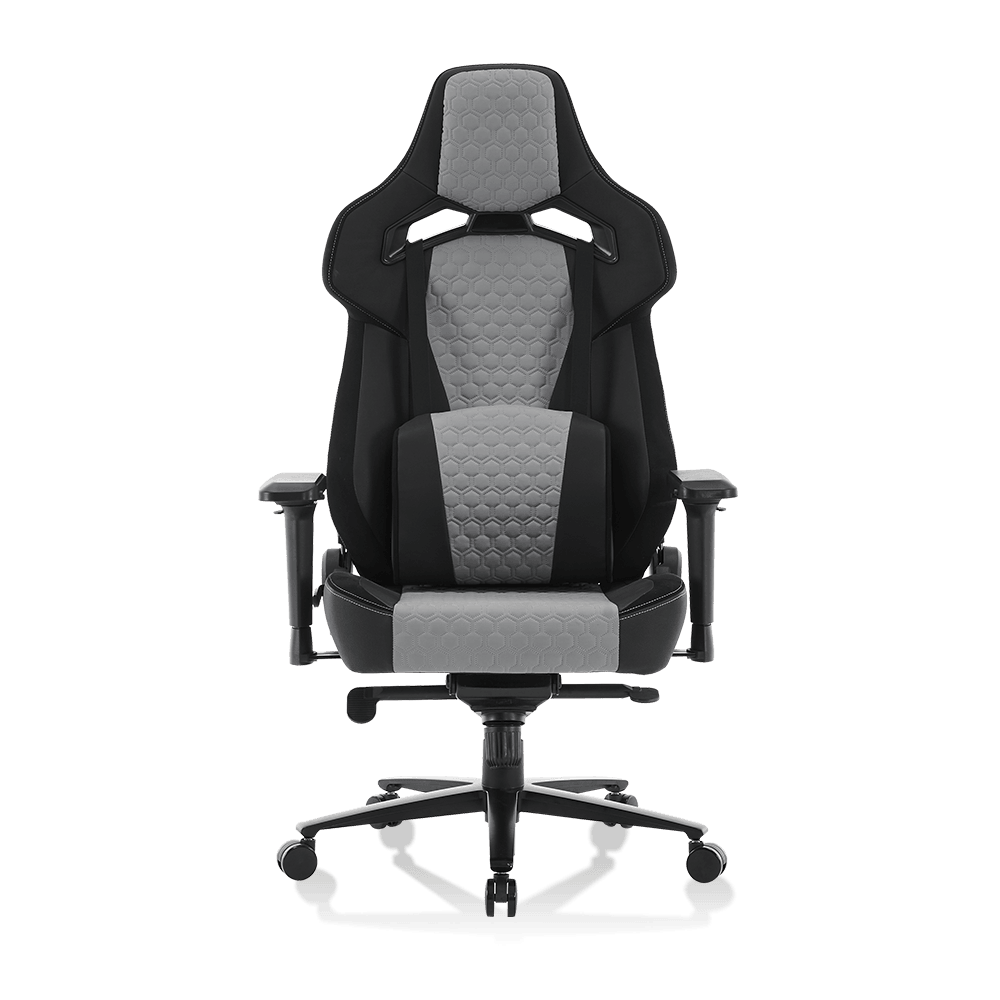
This is why mix-use chairs — such as a mesh gaming chair used for work — are becoming common in modern offices. Our 5115 Y19 mechanical mesh chair shows how a full mesh seat can handle long-term sitting without overheating and without gathering dust, dirt, or perspiration in hard-to-clean seams.
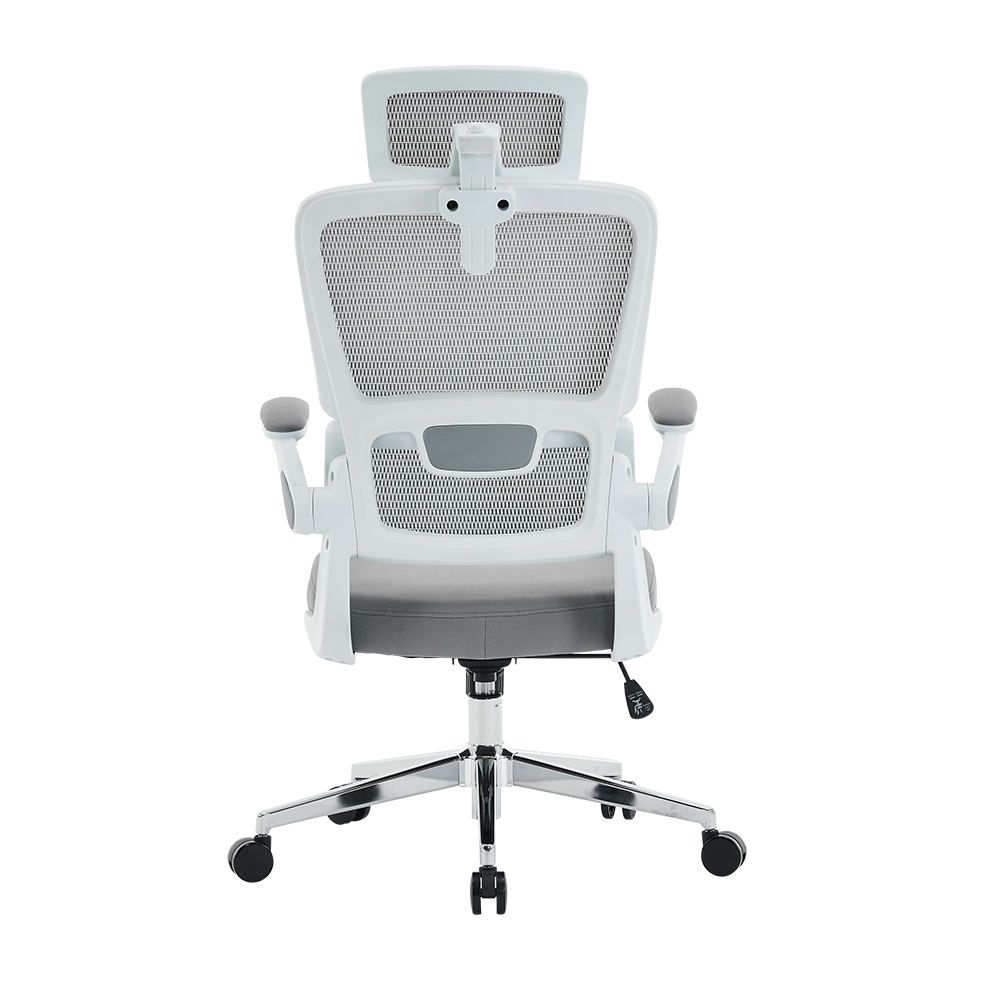 China Wholesale ODM/OEM 5115 Ergonomic chair Y19 mechanical mesh chair home offiAnji Kechen Furniture Co., Ltd. Is China Wholesale ODM/OEM 5115 Ergonomic chair Y19 mechanical mesh chair home office chair computer mesh...View Product →
Mesh Durability: Why Some Chairs Sag and Others Keep Their Shape
The most common mesh chair failure is not a torn fabric but permanent relaxation of the yarn. After months of continual use, lower-grade polyester loses part of its elastic memory; the surface starts dimpling and losing lumbar support. Nylon, by contrast, has better molecular resilience, which is why durability ratings on office chairs rely on the actual yarn material, not the visual thickness of the weave.
When auditing suppliers, look for:
- Close weave density: tighter stitching generally means longer shape retention.
- Fabric tension at the lower lumbar area: it should push back, not collapse.
- Frame stiffness: firmer side frames hold the mesh under constant and even tension.
- Mesh recovery test: ask for data on tensile set or stretch recovery ratio.
Our suppliers follow this logic, and the full explanation of what causes sagging and how to prevent it is covered in our longer discussion of mesh chair durability and sagging prevention.
How to Choose the Right Mesh Chair for Your Workspace
Your working hours, body weight, and climate should determine which mesh grade and frame configuration make sense.
For Standard Office and Home Office Use
An eight-hour sit needs a medium-firm mesh with adjustable lumbar support. Full-mesh chairs are ideal because they breathe the whole day. If you work with heavy covering or in a cool room, a mixed chair with a mesh back and padded seat gives a softer first impression.
For Gaming and Mixed Standing-Sitting Routines
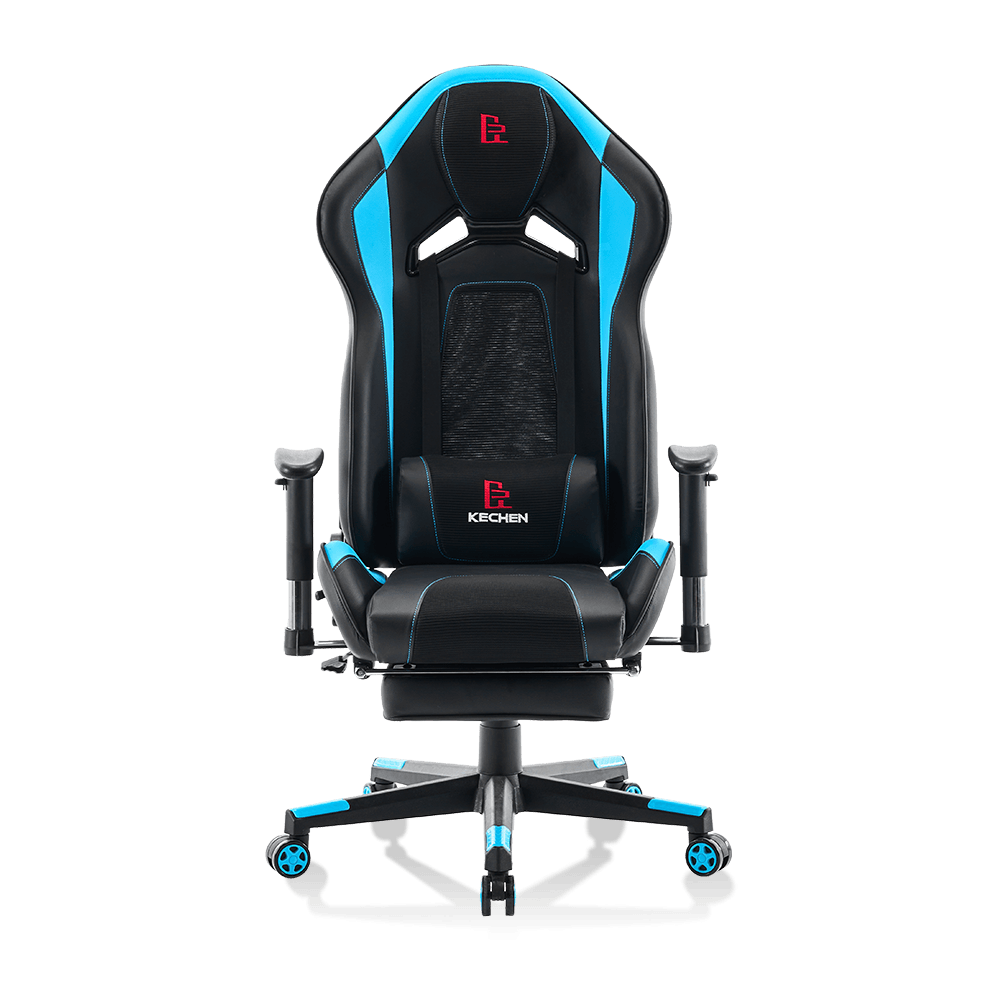
Gaming positions are less predictable than standard sitting posture. A wider, higher back with adaptable mesh curvature helps, and a headrest reduces neck fatigue during long focus sessions. A breathable mesh back is preferable to leather, since hours under a gaming headset create plenty of internal heat.
In warm environments or open offices with several shifts, prioritize maximum airflow over thick padding. High-permeability nylon or polyester mesh with an open weave works best, and easily wipeable seat surfaces reduce maintenance time.
If you need a step-by-step comparison against other types, we put together a complete decision guide on choosing a mesh chair that suits your use case.
Final Takeaway: Match the Mesh to the Sitting Job
Mesh is not one material, and a mesh chair’s quality is decided long before assembly. Polyester mesh suits budget-conscious offices; nylon mesh suits durability-focused buyers; 3D stretch mesh suits ergonomic and gaming requirements. Check the yarn type, inspect the tension system, and validate the frame stiffness before placing a bulk order.
For production partners, identifying the right mesh grade also prevents warranty claims and negative user feedback. A chair with the right material will serve for years without heat accumulation, posture collapse, or premature sagging.