Español
 日本語
日本語 Deutsch

Article Directory
- 1 The Necessity of Airflow: Breathability Testing Standards for Office Seating
- 2 Material Deep Dive: High-Performance PU Leather vs Mesh Gaming Chair
- 3 Quality Control: Implementing the Ergonomic Gaming Office Chair Air Permeability Test
- 4 Commitment to High-Performance Seating
- 5 Frequently Asked Questions (FAQ)
- 5.1 1. What is the standard used for the Ergonomic gaming office chair air permeability test?
- 5.2 2. Which material offers superior breathability: technical mesh or high-performance PU leather?
- 5.3 3. What level of air permeability is considered optimal for commercial-grade seating?
- 5.4 4. What are the key elements of Mesh material specifications for gaming chairs besides air permeability?
- 5.5 5. What is the core difference in thermal comfort between High-performance PU leather vs mesh gaming chair?
For B2B buyers catering to the professional or high-intensity gaming markets, the performance of an ergonomic gaming office chair extends beyond adjustable mechanics; it fundamentally relies on thermal comfort. Extended periods of sitting generate heat and moisture, which is mitigated only by superior upholstery material. Verifying this performance requires utilizing standardized procedures like the Ergonomic gaming office chair air permeability test.
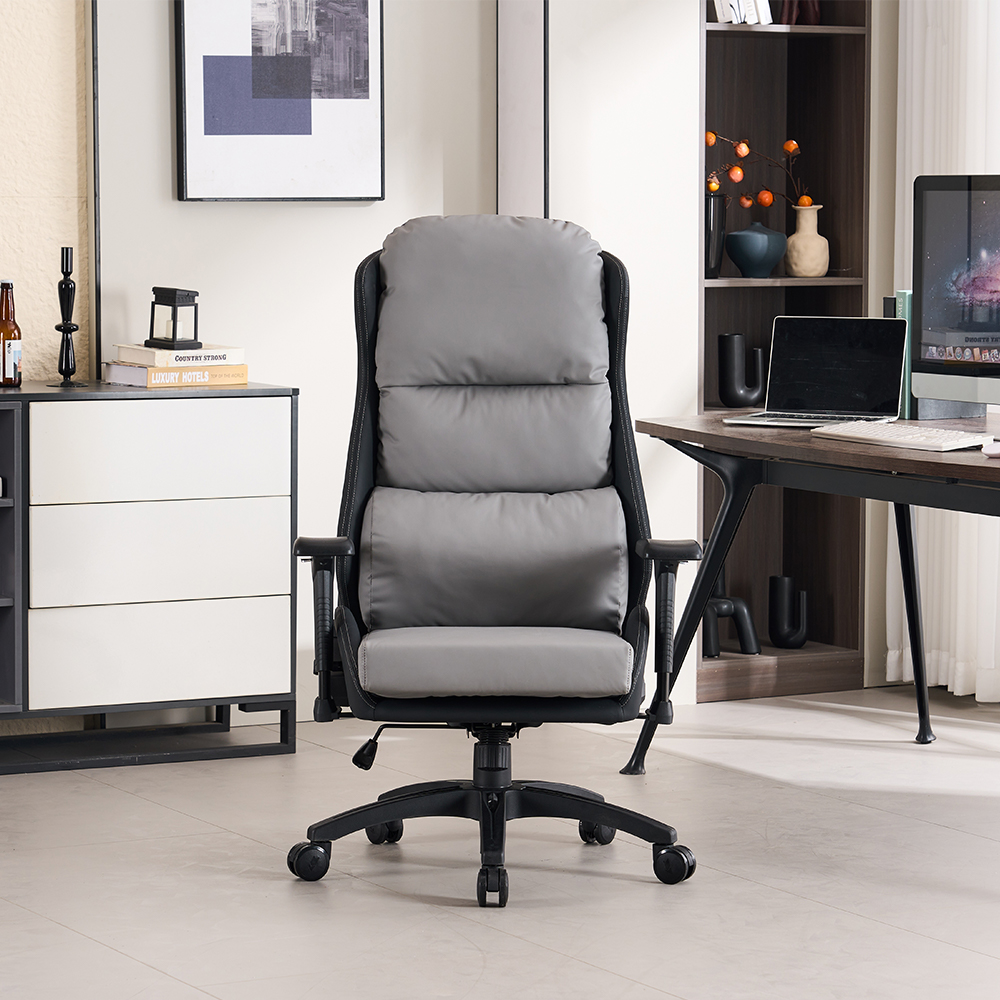
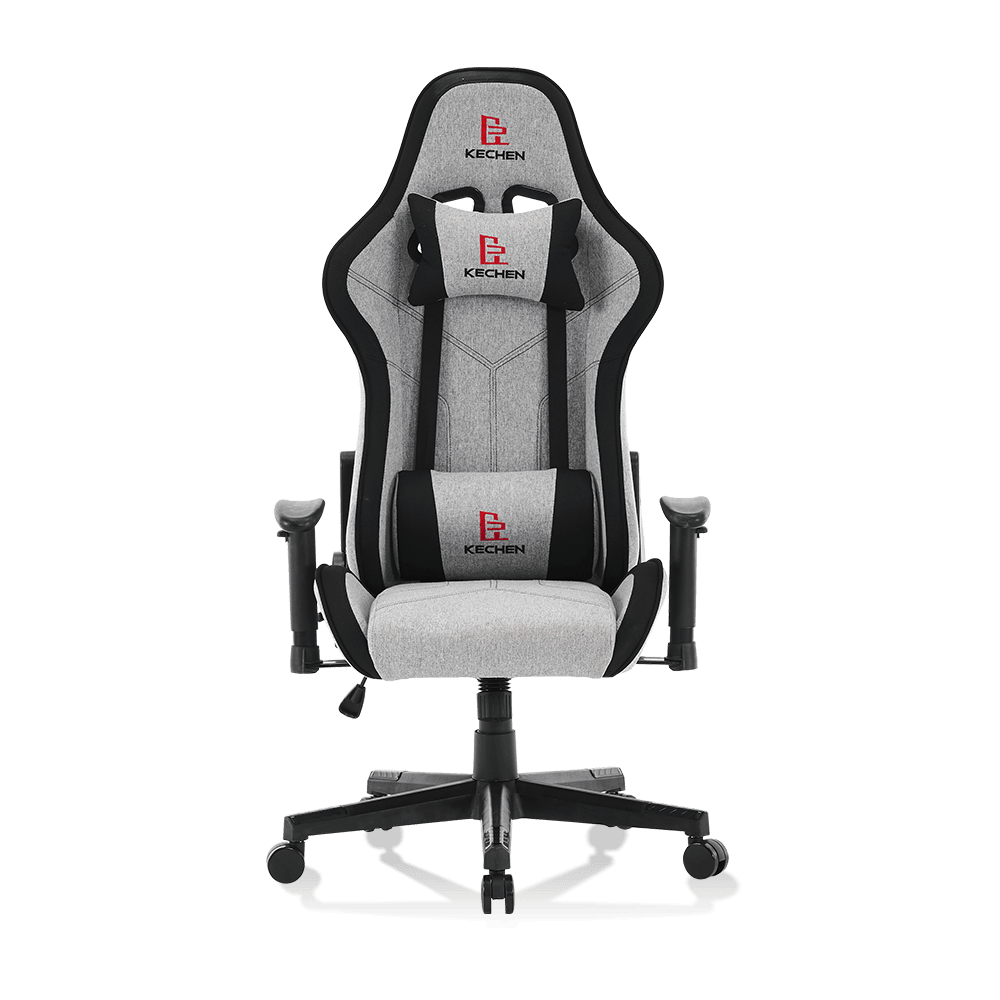
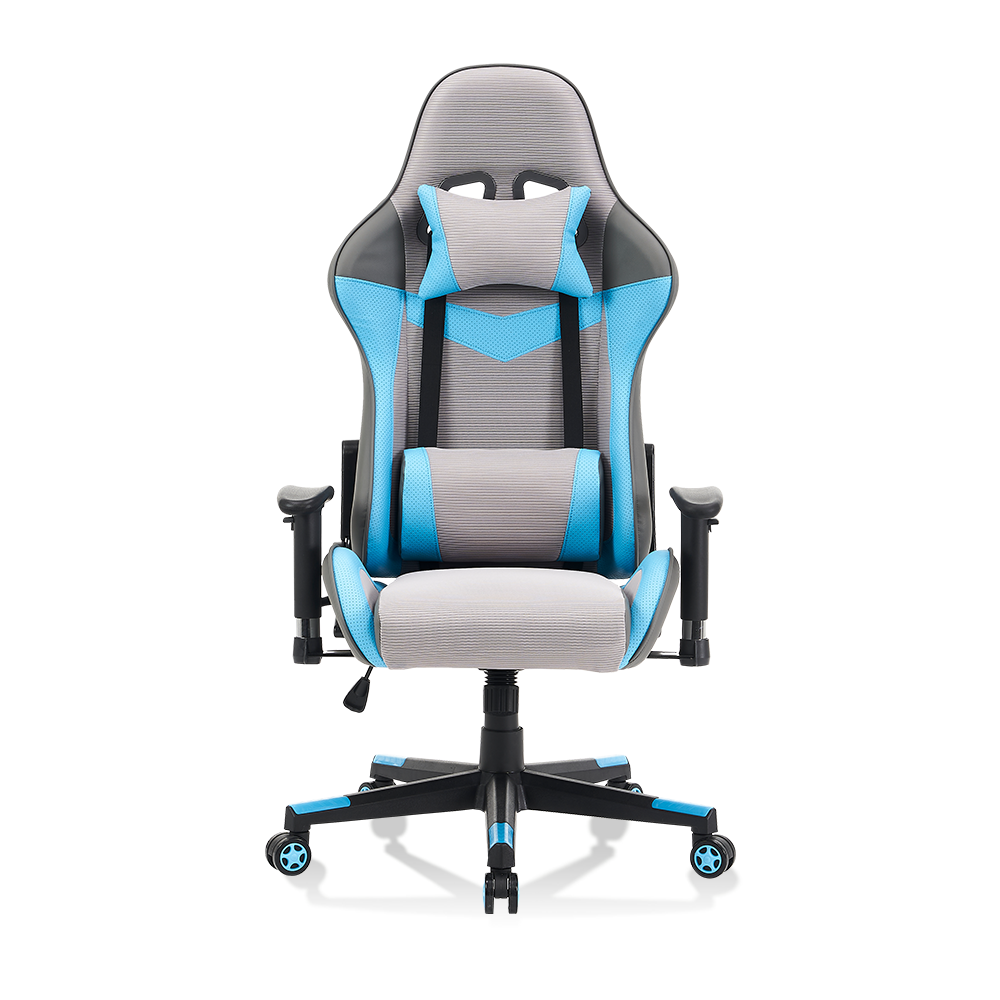
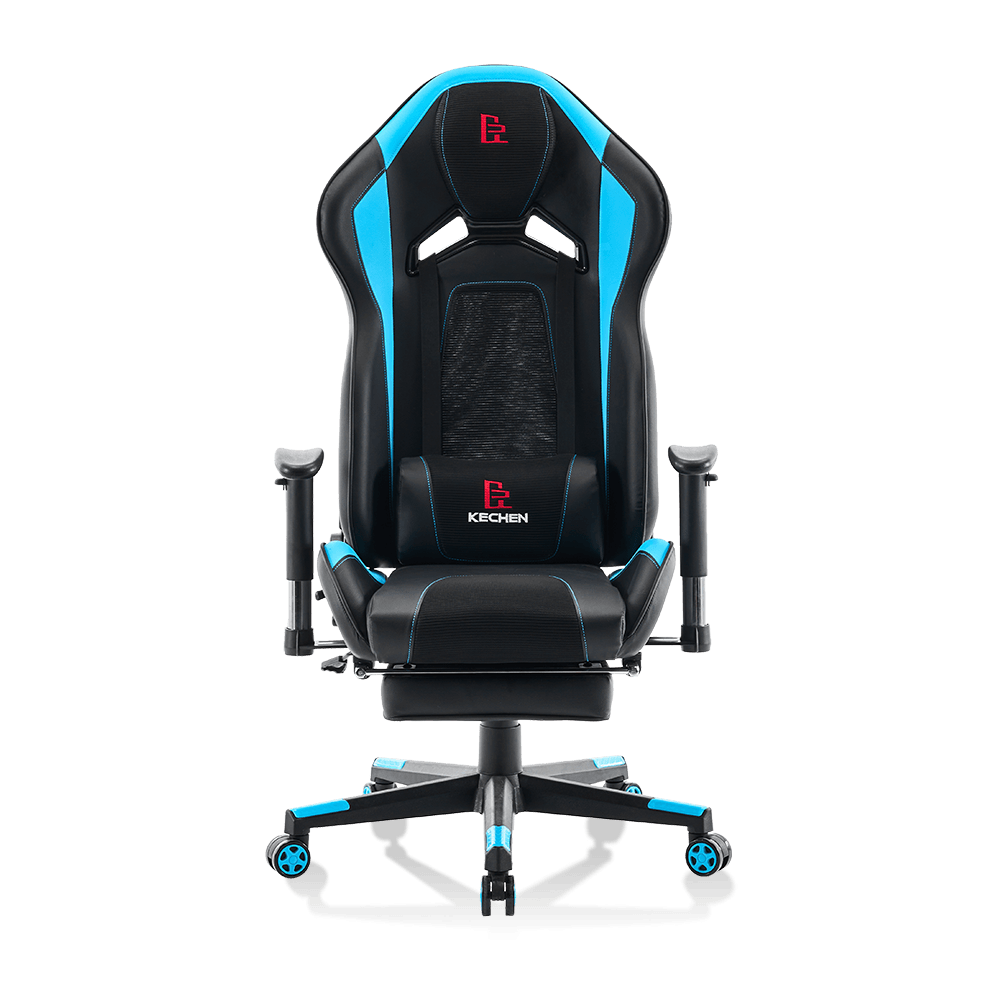
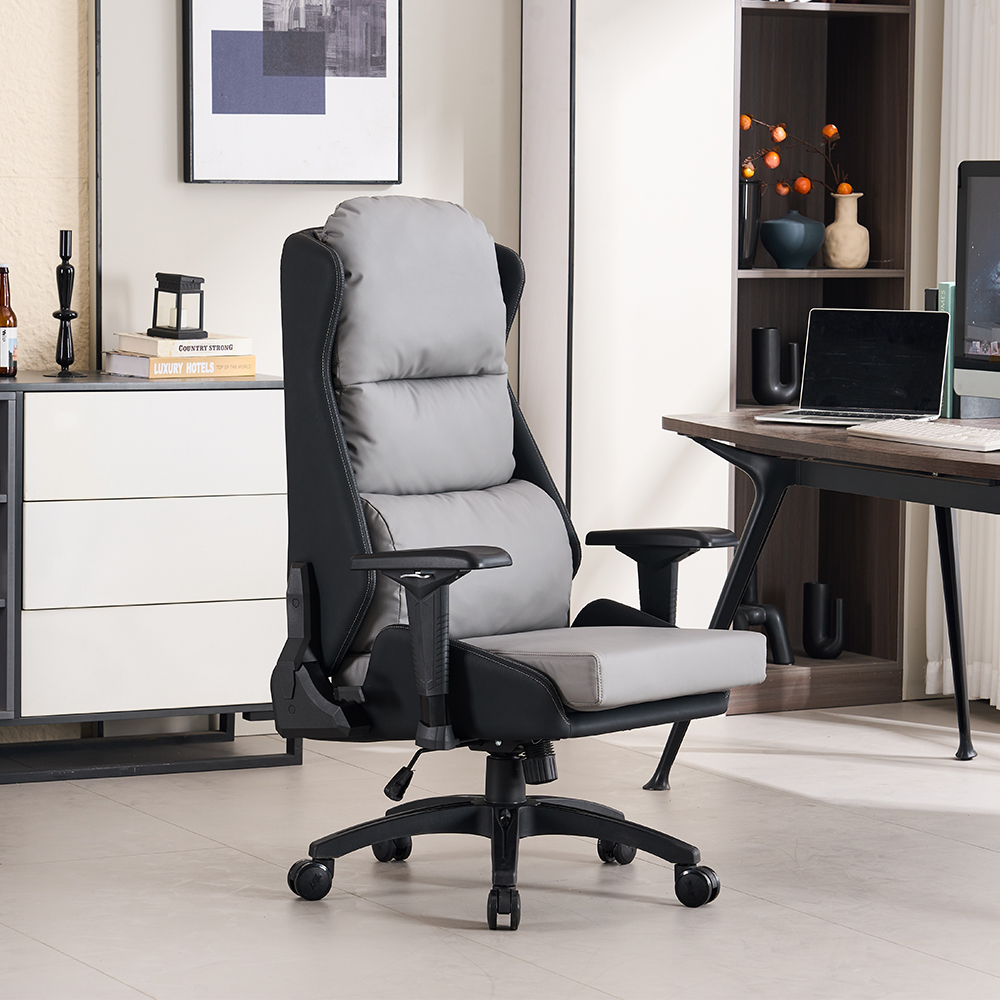
5136 reclining chair gaming chair easy to clean computer chair gaming chair home office chair
The Necessity of Airflow: Breathability Testing Standards for Office Seating
Breathability is the core technical factor that prevents heat build-up and the associated discomfort. It is the measure of air volume that passes through a material, ensuring continuous ventilation for the user.
Defining Air Permeability and the ASTM D737 Protocol
- **Air Permeability:** This is quantified as the volume of air (typically in cubic feet per minute) that passes through one square foot of fabric at a specified differential pressure. A higher value indicates superior breathability.
- **Testing Standard:** ASTM D737 is the recognized standard for measuring air permeability. Adhering to these established Breathability testing standards for office seating allows procurement teams to objectively compare different upholstery options.
Relating Permeability to User Comfort and Thermal Regulation in Ergonomic Office Chairs
The material's permeability directly influences the body's cooling mechanism. High air flow is crucial for effective Thermal regulation in ergonomic office chairs, particularly in the seat pan area where pressure is highest. Conversely, low permeability materials trap moisture and heat, leading to discomfort and reduced concentration during high-intensity tasks.
Permeability Rating Comparison Table (ASTM D737, cfm/ft²)
| Material Type | Typical Air Permeability Range | Thermal Performance |
|---|---|---|
| Standard PU Leather / Vinyl | 0 - 5 cfm/ft² | Poor (No active airflow, traps heat). |
| High-Performance PU Leather | 5 - 20 cfm/ft² (Requires special micro-perforations). | Moderate (Relies on structure, not material itself). |
| High-Tensile Technical Mesh | 100 - 300+ cfm/ft² | Excellent (Superior active cooling and **Thermal regulation in ergonomic office chairs**). |
Material Deep Dive: High-Performance PU Leather vs Mesh Gaming Chair
The choice between fabric types hinges on balancing aesthetic appeal with the technical demands of durability and cooling. The comparison between High-performance PU leather vs mesh gaming chair materials is critical for design.
Technical Specifications for Mesh Material Specifications for Gaming Chairs
- **Composition:** True performance mesh uses a blend of high-tensile elastomers and synthetic fibers (e.g., polyester or thermoplastic polyurethane). This structure provides both strength and elastic rebound.
- **Tension and Resilience:** The primary advantage of technical Mesh material specifications for gaming chairs is their ability to evenly distribute pressure without foam, maximizing airflow and conforming precisely to the user's body curvature.
Advances in High-Permeability PU Leather Technology
While traditional PU leather is inherently non-breathable, manufacturers have innovated to compete with mesh. Modern high-performance PU leather often utilizes micro-perforations or a multi-layer structure designed to mimic breathability. However, even the best perforated PU generally offers significantly lower air permeability compared to true technical mesh, making the mesh the superior choice for high-intensity, long-duration use.
Quality Control: Implementing the Ergonomic Gaming Office Chair Air Permeability Test
To assure product claims, manufacturers must integrate the Ergonomic gaming office chair air permeability test into their quality control protocols.
Test Methodology and Required Equipment
- **Equipment:** The test requires a specialized air permeability tester (e.g., Textest FX 3300) which measures the volumetric rate of airflow under a precise pressure head.
- **Protocol:** Samples from the seat and backrest are systematically tested before and after abrasion testing (e.g., Martindale) to ensure durability does not compromise breathability, a key consideration often overlooked by non-technical buyers.
Integrated Quality Control in Manufacturing
For consistent product quality, material suppliers must provide certification that their upholstery meets the specified air permeability targets. The finished ergonomic gaming office chair manufacturer should perform random batch testing to verify the material integrity, thereby guaranteeing compliance with Breathability testing standards for office seating.
Commitment to High-Performance Seating
As a leading supplier in the office and gaming furniture sector, we recognize that the high-intensity use of an ergonomic gaming office chair demands uncompromising technical specifications. Our focus on **Thermal regulation in ergonomic office chairs** drives our material procurement, ensuring every component, from the base structure to the upholstery, is rigorously tested. We specialize in providing seating solutions that adhere to global standards, allowing B2B partners to confidently source products with verified performance data on breathability, durability, and ergonomic support. We are committed to technological excellence and fulfilling the complex needs of the global furniture market.
Frequently Asked Questions (FAQ)
1. What is the standard used for the Ergonomic gaming office chair air permeability test?
The industry standard for quantifying air permeability in upholstery materials is ASTM D737. This test provides an objective measurement of the material's airflow rate, a key factor in comfort and **Thermal regulation in ergonomic office chairs**.
2. Which material offers superior breathability: technical mesh or high-performance PU leather?
Technical mesh offers superior breathability, often achieving air permeability ratings of 100+ cfm/ft². Even high-performance perforated PU leather cannot match this level of airflow, making mesh the preferred choice for maximizing cooling.
3. What level of air permeability is considered optimal for commercial-grade seating?
Optimal air permeability for materials used in commercial-grade seating and high-intensity gaming should ideally be 100 cfm/ft² or higher for mesh, ensuring the best thermal comfort and complying with stringent Breathability testing standards for office seating.
4. What are the key elements of Mesh material specifications for gaming chairs besides air permeability?
Key specifications include high tensile strength, elastic rebound (to prevent sagging), resistance to pilling, and a high abrasion cycle rating (Martindale/Wyzenbeek).
5. What is the core difference in thermal comfort between High-performance PU leather vs mesh gaming chair?
The core difference is active airflow. Mesh allows continuous air circulation directly through the fabric, while even perforated PU leather relies mainly on convective cooling around the chair, often leading to greater heat retention at the pressure points.