Español
 日本語
 Deutsch

Article Directory
How long does a full mesh office chair last?
If you are comparing full mesh office chairs for a home office or a team workstation, the first question is rarely about color or lumbar curve. It is about how long the chair will keep its support. A well-constructed full mesh office chair lasts 5 to 10 years under normal full-time use, while an entry-level mesh chair can become uncomfortable in 1 to 3 years. The difference lies in mesh tension, frame material, gas lift quality, and the number of hours the chair is occupied each day.
A full mesh chair is different from a padded chair in one important way. The mesh itself is a structural component. When it stretches, the chair changes shape, and no amount of foam or padding can restore the original support. That is why it is wise to judge a full mesh chair by the quality of its mesh and frame, not just by how comfortable it feels during the first week.
| Quality tier | Typical price range | Expected lifespan | First component to fail |
|---|---|---|---|
| Entry-level | $100 - $250 | 1 - 3 years | Mesh loses tension; hard frame edges become noticeable |
| Mid-range | $300 - $600 | 5 - 8 years | Gas lift slowly sinks; casters wear unevenly |
| Premium / commercial | $800 and up | 8 - 12 years | Mesh and frame fatigue after sustained multi-shift use |
Use these ranges as a planning tool, not a guarantee. A solo worker who sits for six hours a day in a cool, clean office can easily outlast a heavier user in a shared workspace. The important point is that a full mesh chair has a predictable life cycle, and the main variable is the care you take when you buy it.
What actually wears out in a full mesh chair?
Most people assume the mesh will tear first. In reality, the support fails gradually and quietly. Here are the three most common points of failure, in the order you are likely to notice them.
Loss of mesh tension
Mesh is made of interwoven elastomer fibers. After thousands of sitting hours, those fibers slowly relax. The seat begins to sag, creating a hammock effect, and your hips tilt slightly forward. You may not see a visible hole, but you will feel pressure on the back of your thighs and less support in your lower back. Keep an eye on the front edge of the seat. When the mesh starts to sag, the frame rail under the front edge becomes more noticeable, and that is your clearest signal.
Gas lift and mechanical wear
The gas cylinder holds your seat height. Over time, the seal can weaken, and the chair may drop an inch or two after you sit down. If you find yourself adjusting the height lever several times a day, the lift is failing. In a typical eight-hour workday, users trigger the height adjustment more often than they realize, which is why a mid-range chair that feels solid in year two may still need a new cylinder by year seven.
Frame and base stress
The tension of the mesh pulls on the frame. A reinforced steel or aluminum frame distributes that load evenly. A thinner nylon sub-frame, common on budget chairs, can develop hairline cracks around the seat mounting points after a few years. Casters fail more quietly; they collect lint and dust, then push unevenly against the floor. If the chair wobbles when you roll it, check the caster stems and the base before assuming the whole chair is done.
What to inspect before you buy a full mesh chair
Since you cannot watch a chair age in the showroom, look for details that predict longevity. First, choose a mesh with a tight weave and a reinforced border. A reinforced edge protects the mesh from fraying at the frame contact point. Second, check whether the base is aluminum alloy or molded plastic. Aluminum is heavier and costs more, but it does not develop stress cracks at the same rate as plastic. Third, ask whether the model meets BIFMA X5.1 commercial durability standards. A chair that passes BIFMA testing is subjected to thousands of cycles, which gives you a realistic picture of how it will hold up after several years.
For B2B buyers, tension consistency matters as much as the material spec. A factory that assembles mesh panels without tension control can ship a batch of chairs with five different tension levels. When you order a large quantity, ask how the mesh is fixed to the frame and whether the supplier checks tension before packing. This is one of the less visible reasons two chairs from the same price range can have very different life expectancies.
The same logic applies to the way the mesh is attached to the frame. A mesh panel that is held taut by a metal channel stays stable longer than a panel that is simply stretched over a plastic shell. For a concrete example, the long-life breathable mesh office chair from our current range is designed around extended sitting sessions, with the mesh tension matched to the frame rather than added as an afterthought.
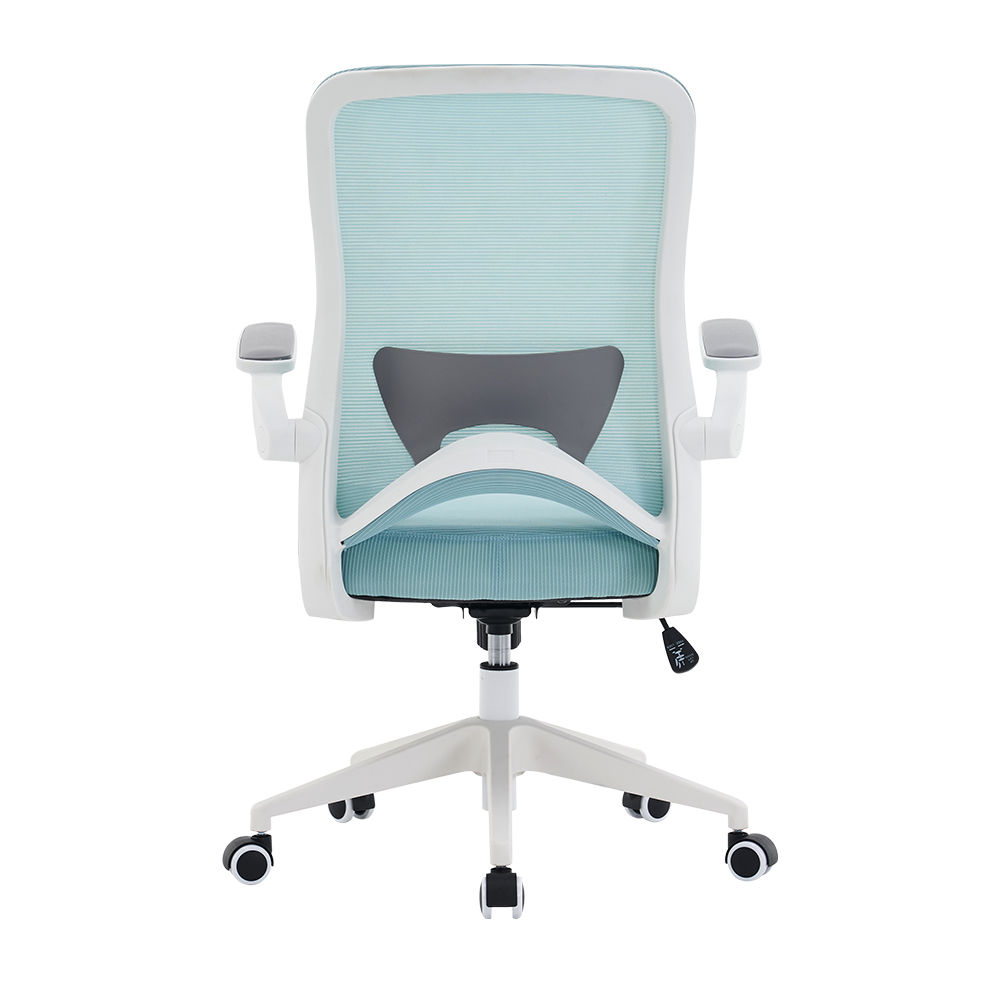 China Wholesale ODM/OEM 5123 Durable office chair comfortable breathable mesh chAnji Kechen Furniture Co., Ltd. Is China Wholesale ODM/OEM 5123 Durable office chair comfortable breathable mesh chair for long time use ...View Product →
If you spend part of each day reclining, do not ignore the mechanism. A chair that only locks into one upright position forces the mesh and backrest to carry the same load all day. A chair with a recline lock and adjustable tilt, like the multi-position mesh chair with reclining backrest, spreads the load across the frame when you lean back and reduces stress on the seat corner. That small feature can add a year or two to the frame’s life.
 China Wholesale ODM/OEM 5127 Ergonomic chair office chair computer chair comfortAnji Kechen Furniture Co., Ltd. Is China Wholesale ODM/OEM 5127 Ergonomic chair office chair computer chair comfortable sitting backrest ...View Product →
For a deeper look at why mesh sags and how to spot the early warning signs, our guide to mesh chair durability and sagging covers the mechanics in practical terms.
Maintenance steps that actually extend the lifespan
No mesh chair, even a premium one, survives completely unattended. The good news is that mesh chairs are easier to maintain than padded chairs because the ventilated surface collects less dust and does not absorb spills. A little care every few months makes a measurable difference.
- Vacuum or brush the mesh weekly. Dust and pet hair work their way into the weave and increase friction between fibers.
- Tighten the screws on the seat plate and armrests every 3 to 6 months. Loose joints cause more stress on the frame than a heavy user does.
- Keep the casters clean and use a hard floor mat if you sit on carpet. The caster housing collects fibers and then skips instead of rolling smoothly.
- Do not leave the chair fully reclined overnight. Leaving the mechanism in a locked, tilted position keeps the gas cylinder and tilt spring under tension for hours, which accelerates seal wear.
Replacement parts are easier to find than most people expect. A slow-sinking chair often just needs a new gas lift, which can cost much less than a new set of caster wheels. Before ordering a replacement chair, check whether the worn part can be swapped out. For more perspective on whether mesh genuinely outlasts padded seating, read this comparison of mesh and padded chair lifespan.
When should you replace instead of repair?
The decision rule for most office chairs is straightforward. If the repair cost is more than 40 to 50 percent of the price of a comparable new chair, replace the chair. But the formula only makes sense if the mesh itself is still in good shape. A worn gas lift or a cracked caster is cheap to fix. A mesh seat that has lost its tension is not worth repairing, because the mesh is the core support structure. Replacing it properly usually costs close to what you paid for the chair.
Also look at the warranty. A five-year warranty on the frame or gas lift is a strong signal that the manufacturer expects the chair to last at least that long. If the manufacturer only offers a one-year warranty, ask yourself why. In a B2B purchase, the warranty period defines how much risk you carry in years two, three and four, so it belongs in the same conversation as price and delivery time.
The bottom line on full mesh chair longevity
A full mesh office chair is a good long-term investment when you buy it for the right reasons. Choose a chair with a dense mesh weave, an aluminum or heavy steel base, a mechanism that meets BIFMA X5.1, and a frame designed around the tension of the mesh. With that kind of construction, a 10-year lifespan is achievable, especially for a solo worker in a home office. With a budget chair, expect closer to two or three years and plan for replacement.
The best chair for durability is one that fits your body and your daily schedule. For full-time office use, a high-back ergonomic mesh office chair provides tall back support without pushing your shoulders forward. If you are still deciding between mesh and padded models, our guide to choosing a mesh chair can help you match the chair to the number of hours you actually sit.
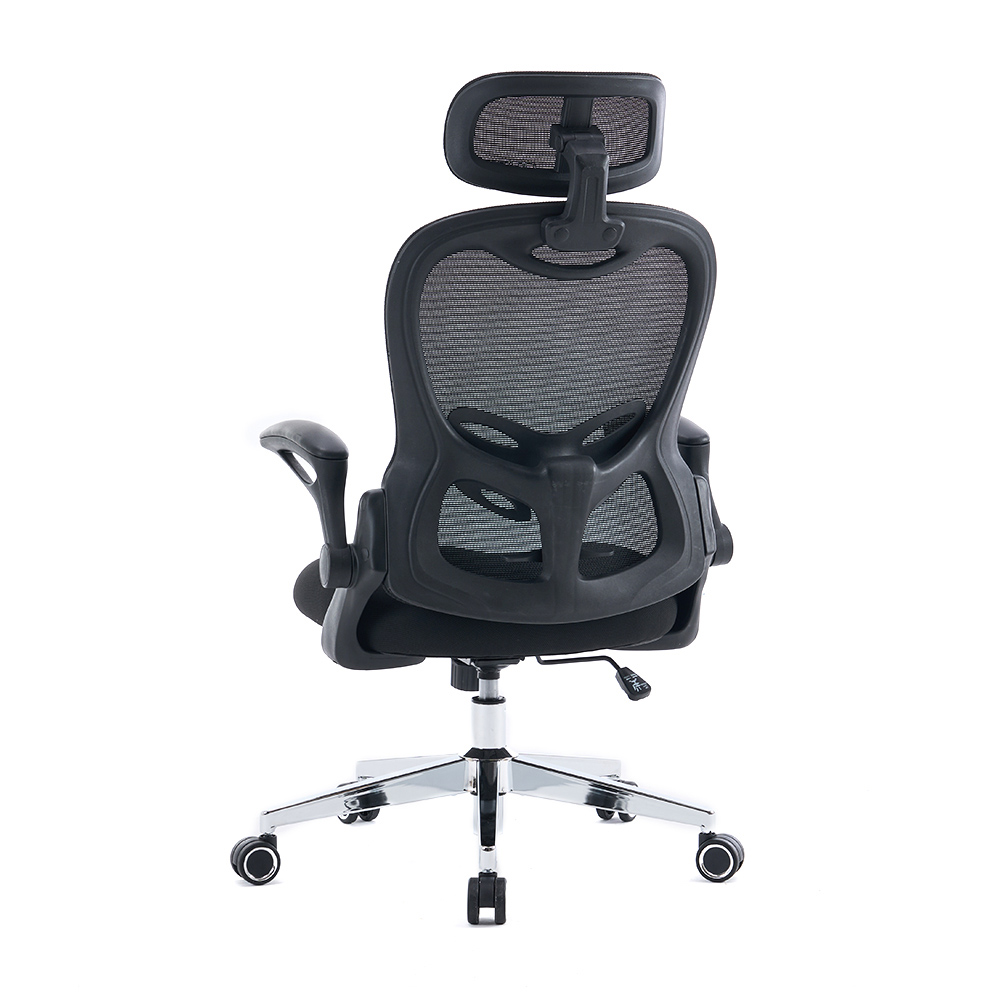 China Wholesale ODM/OEM 5140 Black/white ergonomic mesh office chair, high back Anji Kechen Furniture Co., Ltd. Is China Wholesale ODM/OEM 5140 Black/white ergonomic mesh office chair, high back computer chair Supplie...View Product →