Español
 日本語
日本語 Deutsch

Article Directory
- 1 What Makes a Gaming Chair "Good Quality" Compared to Standard Office Chairs?
- 2 What Ergonomic Features Should a Good Quality Gaming Chair Have?
- 3 What Materials Are Commonly Used in Good Quality Gaming Chairs?
- 4 How Do Good Quality Gaming Chairs Support Long Hours of Sitting?
- 5 How Do Gaming Chairs Compare With Office Chairs and Racing-Style Chairs?
- 6 How Is a Gaming Chair Manufactured?
- 7 What Are Common Issues or Limitations of Gaming Chairs?
- 8 What Is the Future Trend of Gaming Chairs in Global Markets?
- 9 Frequently Asked Questions
A cheap chair feels fine for the first week and painful by the third month of long sessions. The difference usually comes down to structure, not upholstery color — what separates a good quality gaming chair from a disposable one is frame strength, adjustability, and how well it supports the spine over hours of sitting. This guide breaks down what actually defines quality, which materials hold up, and how gaming chairs stack up against office and racing-style seating.
What Makes a Gaming Chair "Good Quality" Compared to Standard Office Chairs?
A gaming chair quality definition usually centers on three things: frame rigidity, adjustment range, and how the seat holds its shape after repeated use. A chair that flexes under normal weight or loses cushion density within months does not meet that bar, regardless of styling.
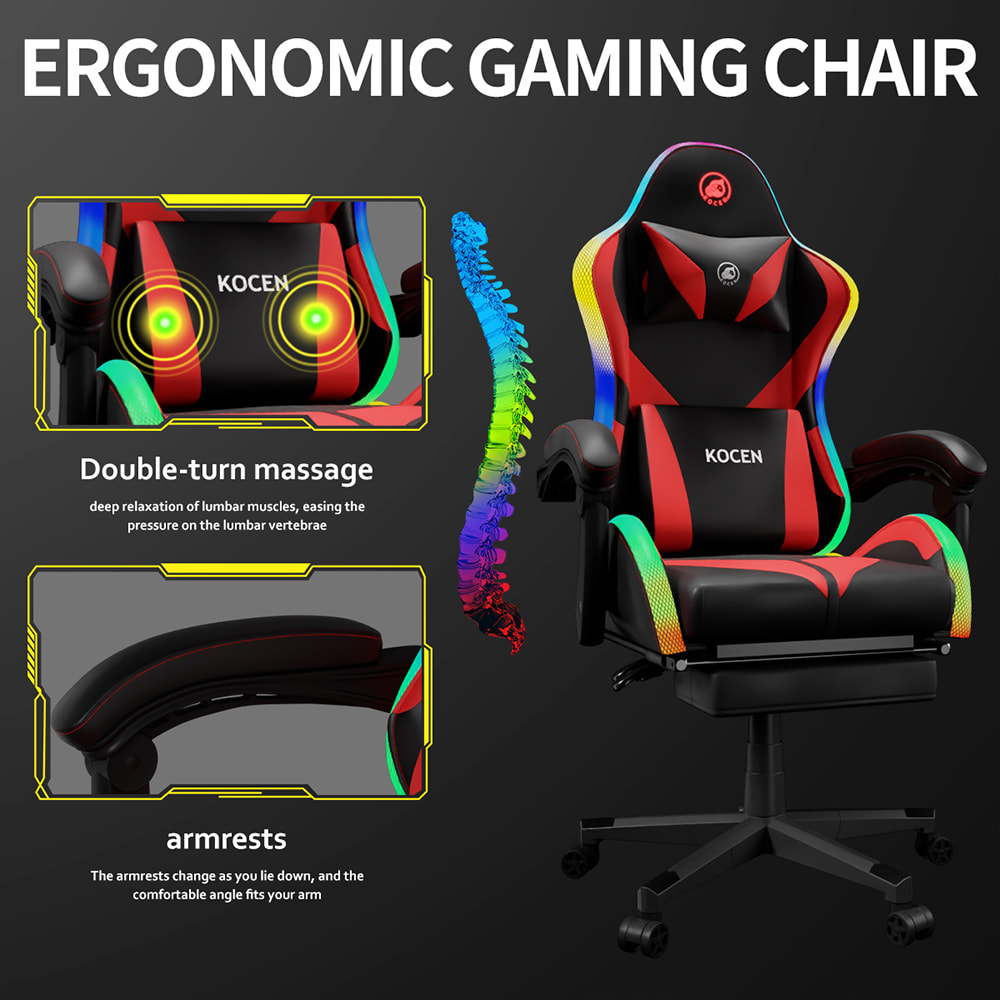
An ergonomic gaming chair structure differs from a basic office chair mainly in its taller backrest and steeper recline range, both aimed at supporting longer, more static sitting sessions. Adjustable gaming seat design typically includes seat height, tilt tension, and armrest position, giving a wider range of fit than most entry-level office chairs.
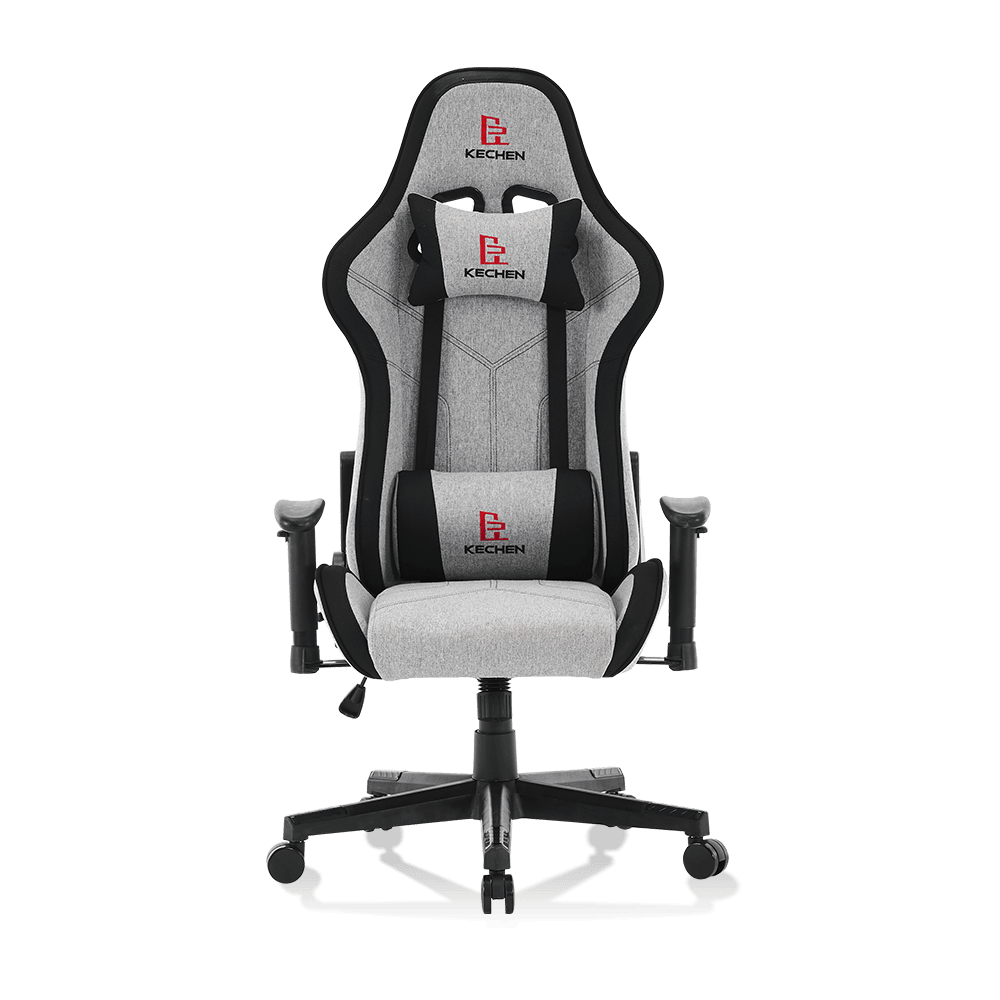
High back support in a gaming chair extends coverage up through the shoulders and neck, which is what defines a good quality gaming chair beyond just seat comfort. The difference between a gaming chair and an office chair often comes down to this extended coverage: comfort seating ergonomics in a well-built gaming chair account for how the body shifts position over a multi-hour session, not just how it sits for a quick meeting.
What Ergonomic Features Should a Good Quality Gaming Chair Have?
Lumbar Support
A lumbar support gaming chair keeps the lower spine's natural curve intact during long sitting.
Adjustable Armrests
Adjustable armrests reduce shoulder tension by matching desk and keyboard height.
Reclining Backrest
A reclining backrest gaming chair allows weight to shift back periodically, easing spinal load.
Headrest Support
Headrest support chair design reduces neck strain during breaks or leaned-back moments.
High-Density Cushion
A seat cushion made from high density foam resists flattening far longer than basic padding.
The best ergonomic features in gaming chairs work together rather than individually — a reclining backrest without lumbar support still leaves the lower back unsupported. Why lumbar support matters in gaming chairs comes down to preventing slouching once fatigue sets in during longer sessions. How adjustable armrests improve posture is straightforward: matching elbow height to desk height keeps shoulders relaxed instead of hiked upward.
What Materials Are Commonly Used in Good Quality Gaming Chairs?
| Material | Feel & Behavior | Trade-off |
| PU leather gaming chair | Smooth, easy to wipe clean | Less breathable in warm rooms |
| Mesh breathable gaming chair | Airy, temperature-neutral | Less cushioned than padded seats |
| Metal frame chair base | Rigid, long-term structural support | Adds overall chair weight |
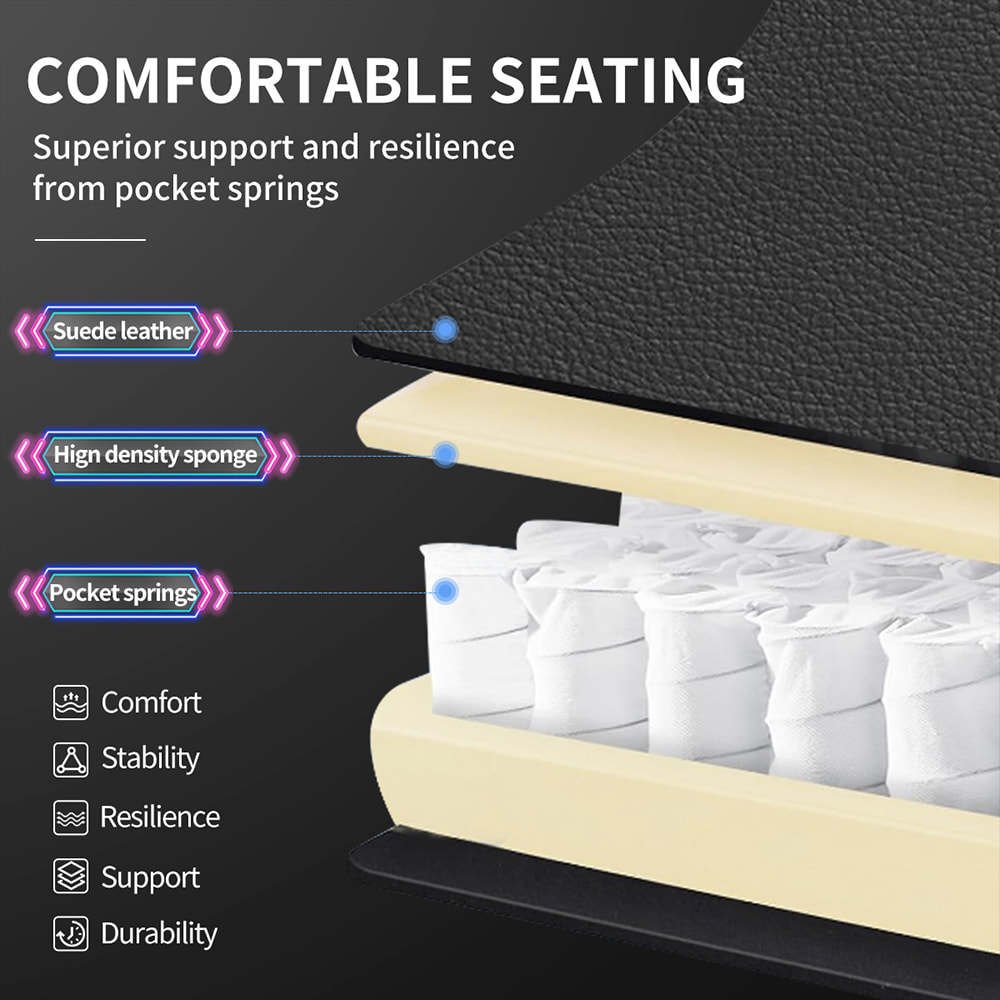
| High density foam cushion | Holds shape under sustained weight | Higher cost than standard foam |
| Nylon caster wheels | Smooth rolling, floor-friendly | Wear faster on rough flooring |
A PU leather vs mesh gaming chair comparison usually comes down to climate and personal heat tolerance — leather feels more structured, mesh breathes better over long sessions. Among the best materials for durable gaming chairs, a metal frame chair base paired with high density foam cushion tends to outlast plastic-framed alternatives by a wide margin. What gaming chair seats are filled with varies by price tier, but higher-density foam consistently correlates with slower long-term sag.
How Do Good Quality Gaming Chairs Support Long Hours of Sitting?
-
Posture support chair design keeps the spine aligned instead of letting the lower back round forward over time.
-
Pressure distribution seating spreads weight across the seat pan instead of concentrating it under the sit bones.
-
Ergonomic spine alignment is reinforced by a backrest curve matched to natural spinal shape.
-
Fatigue reduction seating comes from cushioning that resists compressing flat after a few hours.
-
Adjustable seating comfort lets the chair be re-tuned as posture naturally shifts during a session.
Whether gaming chairs are good for long sitting hours depends heavily on whether these features are actually adjusted correctly, not just present on a spec sheet. How gaming chairs reduce back pain comes down to keeping the spine in a neutral position rather than letting gravity pull it into a slouched curve. The best chair features for long gaming sessions consistently trace back to adjustability — a chair that fits one body well rarely fits every body the same way without tuning.
How Do Gaming Chairs Compare With Office Chairs and Racing-Style Chairs?
Gaming Chair
Tall backrest, deep recline, built for long entertainment or work sessions at a desk.
Office Chair
Task-focused ergonomics, often lighter and more mobile for shorter, task-switching workdays.
Racing-Style Chair
Bucket-seat shape borrowed from motorsport, prioritizing side support and an aggressive seating angle.
A gaming chair vs office chair comparison usually favors the gaming chair for long, stationary sessions, while the office chair often wins for frequent movement and task switching. A racing seat style chair comparison highlights side bolstering as the main differentiator, useful for posture during intense focus but less relaxed for casual leaning back. Ergonomic office chair differences typically lean toward lighter frames and simpler adjustment, trading some comfort ceiling for everyday practicality. Between comfort vs productivity seating, the right pick depends on whether the chair needs to support four hours of near-static sitting or a workday full of standing, walking, and shifting tasks.
How Is a Gaming Chair Manufactured?
1
Frame construction — steel frame chair construction forms the structural skeleton the rest of the chair builds around.
2
Cushion forming — the foam molding process seat shapes cushions to the chair's intended curve and density.
3
Upholstery work — the upholstery stitching process wraps foam sections in leather or mesh panels.
4
Component molding — injection molding chair parts produces armrests, bases, and casters to consistent tolerances.
5
Final assembly — assembly of the ergonomic chair brings frame, cushions, and hardware together for quality checks.
How gaming chairs are made step by step generally follows this same order, whether produced at small or large scale. The manufacturing process of ergonomic chairs places particular emphasis on frame welding quality, since a flexing frame undermines every other ergonomic feature built on top of it. What materials are used in gaming chair frames varies, but steel and reinforced alloy remain the most common choices for load-bearing sections.
What Are Common Issues or Limitations of Gaming Chairs?
Even well-reviewed chairs show wear over time — knowing where problems typically start helps set realistic expectations before buying.
Cushion flattening over time is one of the most common complaints, particularly with lower-density foam that compresses permanently after months of daily use. Armrest wear and tear tends to show up at pivot points and padding edges, especially on chairs with lighter-duty plastic joints. Wheel durability issues often surface on hard flooring, where lower-quality casters wear unevenly faster than nylon alternatives rated for the surface.
Backrest mechanism failure — a recline that no longer locks securely — is more common in budget hydraulic or tilt mechanisms than in reinforced designs. Synthetic leather peeling is a well-known limitation of lower-grade PU leather, particularly in dry climates or with frequent direct sun exposure. Disadvantages of gaming chairs are rarely dramatic on their own, but they do explain why gaming chairs can lose comfort over time, and why common problems in cheap gaming chairs tend to cluster around the same handful of wear points.
What Is the Future Trend of Gaming Chairs in Global Markets?
Where Design Is Heading
- Smart ergonomic chairs are beginning to track sitting duration and posture patterns.
- Adjustable posture correction features are moving from premium tiers into mainstream models.
- Sustainable furniture materials are replacing some traditional foams and synthetic leathers.
- Breathable mesh chair innovation is expanding beyond basic seat panels into full backrests.
- AI posture tracking chairs represent an early but growing category in ergonomic furniture.
The future of gaming chairs and ergonomics points toward feedback-driven adjustment rather than fixed, one-size settings decided at the factory. Smart gaming chairs with sensors are still an emerging category, but the underlying trend — chairs that respond to how a person actually sits — is likely to keep expanding. Broader trends in ergonomic furniture design suggest gaming chairs and general office seating will keep converging on shared engineering rather than staying in separate categories.
 |
 |
Frequently Asked Questions
01
What is a good quality gaming chair?
A chair with a rigid frame, adjustable ergonomic features, and cushioning that holds its shape over long-term use.
02
Are gaming chairs good for back pain?
Many can help by supporting posture and spinal alignment, though they are not a substitute for medical treatment.
03
How long do gaming chairs last?
A well-built chair with quality foam and a metal frame can last several years of regular daily use.
04
Gaming chair vs office chair, which is better?
It depends on use — gaming chairs suit long static sessions, office chairs suit frequent task switching.
05
What is the best material for gaming chairs?
Metal frames with high-density foam and breathable mesh or quality PU leather tend to perform best long-term.
06
Are gaming chairs worth it?
For long sitting sessions, a well-built one is generally worth the investment over a basic, unadjustable chair.