Español
 日本語
日本語 Deutsch

Article Directory
Finding the right office chair size starts with a number most people skip: effective seat depth. The distance between the back of your knees and the front edge of the seat determines whether you sit upright comfortably or slide forward into poor posture. A chair that looks good in a showroom can feel wrong after two hours of work because the seat height range, seat width, or backrest height does not fit the person using it.
The conclusion is simple: office chair size is not one single measurement. It is a set of connected measurements that together keep your feet stable, your knees comfortable, your hips supported, and your upper back relaxed. This guide explains how to measure your body, read a chair specification sheet, and match the main dimensions to the way you sit.
Why Office Chair Size Matters
A chair that is too low puts your knees above your hips and tilts your pelvis backward, which rounds your lower back. A chair that is too high makes your feet dangle and pushes pressure into the underside of your thighs. A seat that is too deep forces you to lean away from the backrest, and a seat that is too shallow leaves your thighs without support.
These problems are not just discomfort. They create prolonged loading on the spine, reduce concentration, and make small adjustments worse over the course of a workday. Size affects posture before material or style does. For that reason, the chair's height range, depth range, and width range should be the first things you check, not the last.
For a broader look at how ergonomic features fit together, take a moment to read our complete ergonomic office chair guide before you start comparing models.
How to Choose the Right Office Chair Size: Step by Step
Start with the person, then the chair. Use a normal work shoe, sit upright on a flat surface, and record the following body measurements:
- User height and weight.
- Seated hip-to-knee length, from the back of your hip to the back of your knee.
- Seated hip width, measured across the widest part of your thighs and hips.
- Floor-to-back-of-knee height, measured with your knee at a 90-degree angle.
- Torso length, from the seat surface to the top of your shoulder.
- Desk height, from the floor to the underside of the work surface.
User Height and Torso Length
User height alone is not enough. Two people of similar height can have different torso and leg proportions. Torso length is more important when you choose a backrest because it determines where the lumbar curve and shoulder support should land. Taller users need a taller backrest or a headrest, while shorter users often feel more comfortable with a lower backrest that does not push the shoulders forward.
Weight and Weight Capacity
Office chair size also includes capacity. A wide seat pan does not help if the gas lift, base, or mechanism is rated below the user's weight. Check the weight rating on the specification sheet, especially for daily use. Mesh chairs and padded chairs both have limits, and a chair that is used near its maximum capacity will feel less stable over time.
Desk Height and Under-Desk Clearance
The chair must fit the desk, not just the user. If your desk is fixed at a standard height, the seat height range should allow your feet to remain flat while your elbows line up with the keyboard surface. You also need enough clearance between the seat armrests and the underside of the desk to pull the chair close without scraping the armrests.
Office Chair Size Dimensions That Matter Most
After you have your body measurements, compare them against the five key dimensions on every chair specification sheet. The table at the end of this section gives quick reference ranges, but the right number for you depends on your body and work setup.
Seat Height Range
Seat height is measured from the floor to the top of the seat cushion at the lowest and highest settings. When you sit with your feet flat and your knees at roughly 90 degrees, your thighs should be parallel to the floor. If the maximum seat height is still too high, your feet will lose contact with the floor. If the minimum is too low, your knees will sit above your hips and your lower back will round.
Seat Width
Seat width should allow your hips and thighs to sit inside the chair without pressing against the side edges. A width of 18 to 22 inches is common, but users with wider hips may need more. Width becomes especially important when a chair is shared at a workstation because different body sizes need different edge-to-edge room.
Seat Depth
Seat depth is the distance from the front edge of the seat to the backrest. This is the most common sizing mistake. A seat that is too long presses against the back of your knees, while a seat that is too short leaves your thighs unsupported. When sitting correctly, you should have about two fingers of space between the front edge of the seat and the back of your knees.
Backrest Height
Backrest height controls how much of your spine receives support. A low backrest supports the lower back only, a mid-backrest reaches the shoulder blades, and a high backrest extends toward the head. If you are taller than average, choose a higher backrest so you do not have to crane your neck backward to rest your head. The high-back ergonomic mesh office chair is a practical option for users who want continuous support from the lumbar curve to the upper back.
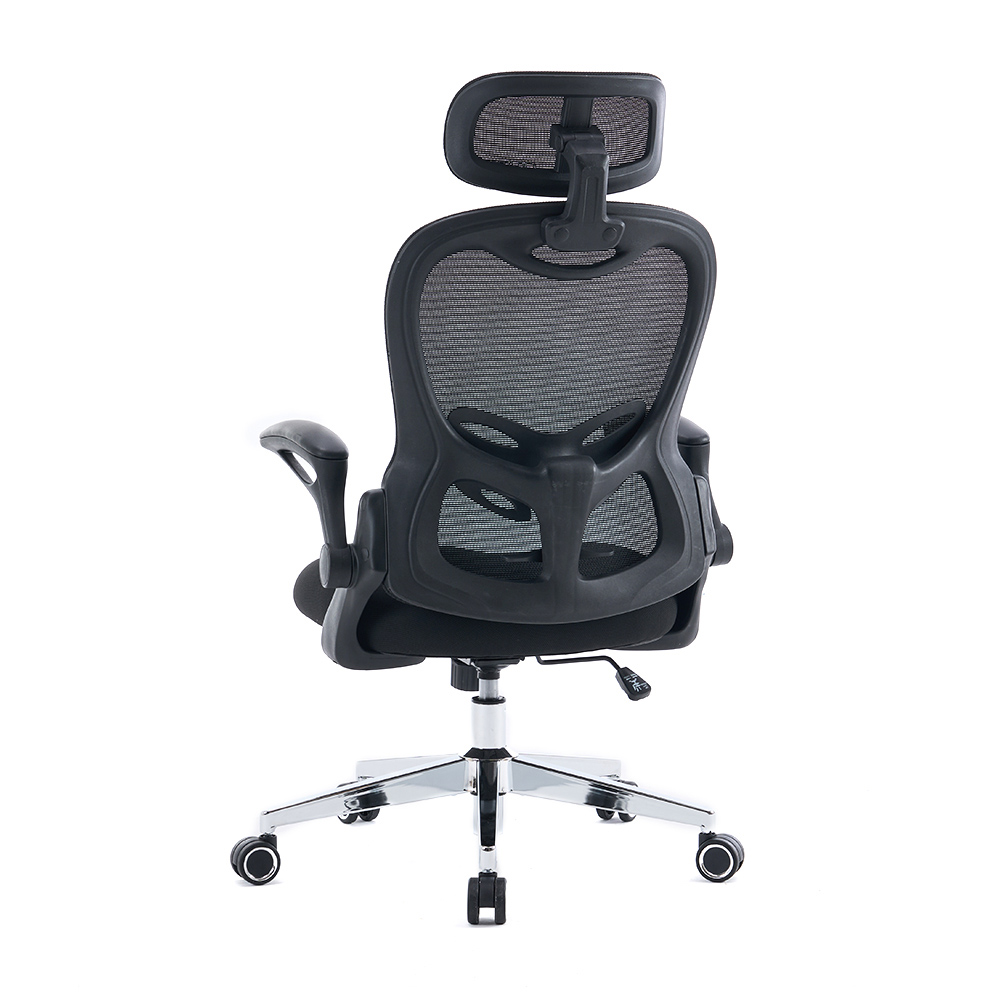 China Wholesale ODM/OEM 5140 Black/white ergonomic mesh office chair, high back Anji Kechen Furniture Co., Ltd. Is China Wholesale ODM/OEM 5140 Black/white ergonomic mesh office chair, high back computer chair Supplie...View Product →
Armrest Height
Armrest height is the vertical distance between the seat surface and the top of the armrest. Your elbows should rest close to your body at about 90 degrees, with your shoulders relaxed and not elevated. Adjustable armrests help when the desk height is fixed or when multiple users share the same chair. The 5122 mesh chair with 2D armrests allows fine adjustment of the armrest position instead of forcing you to accept a one-size armrest height.
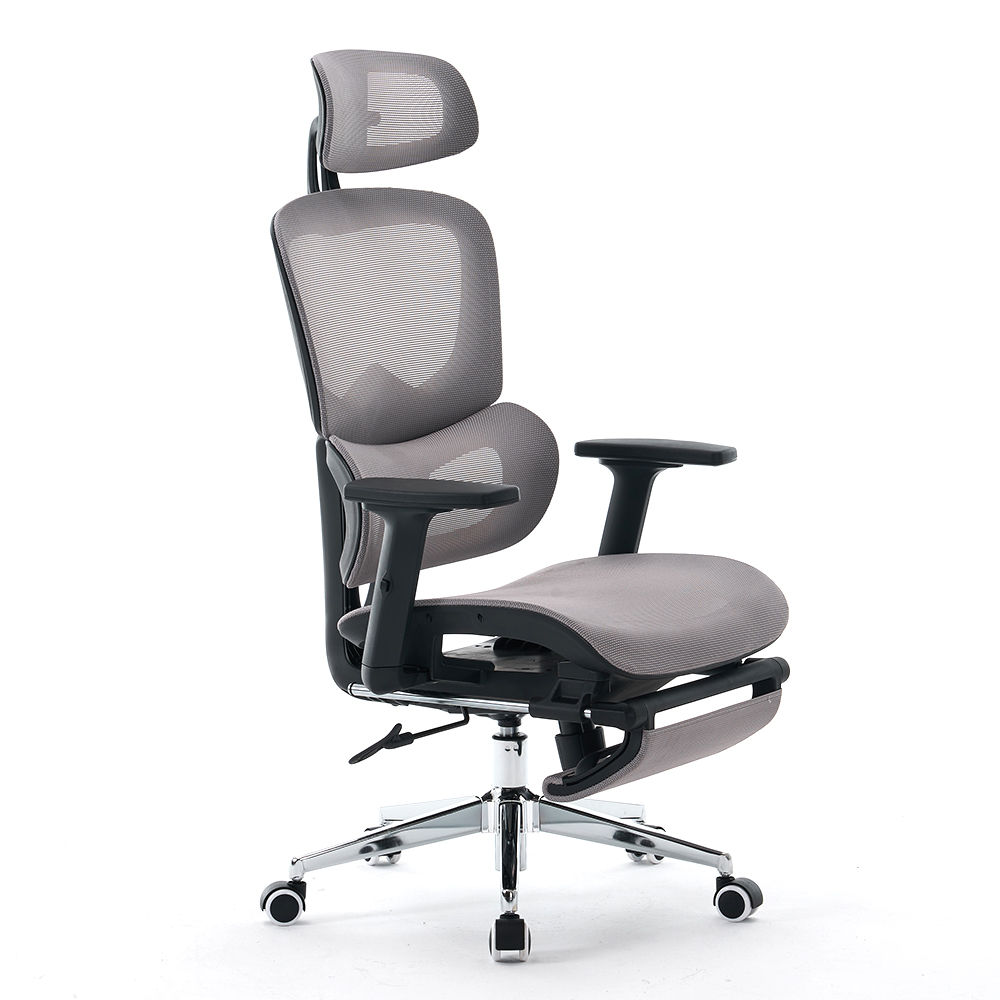 China Wholesale ODM/OEM 5122 Adjustable computer chair ergonomic chair 2D armresAnji Kechen Furniture Co., Ltd. Is China Wholesale ODM/OEM 5122 Adjustable computer chair ergonomic chair 2D armrests home office mesh ch...View Product →
At-a-Glance Office Chair Size Checklist
| Dimension | Typical Range | Fit Signal |
|---|---|---|
| Seat height | 16-21 inches / 40-53 cm | Feet flat on the floor, knees near 90 degrees. |
| Seat depth | 15-20 inches / 38-50 cm | Two fingers of space between seat edge and back of knees. |
| Seat width | 18-22 inches / 46-56 cm | Hips supported without pressure on the sides. |
| Backrest height | Low, mid, or high back depending on torso length | Lumbar curve is covered; upper back can rest naturally. |
| Armrest height | 7-9 inches above seat surface | Elbows at 90 degrees, shoulders relaxed. |
| Weight capacity | 250-350 lb typical, depending on model | The base and lift feel stable when sitting and reclining. |
Seat material also affects how a chair feels. Firm foam or mesh changes pressure distribution more than the raw dimensions. If you are comparing breathable options, our guide to choosing a mesh chair that suits you explains the differences between mesh and padded seating in more detail.
Choosing a Chair Size for Your Body Type and Space
Once the basic dimensions match, you can narrow the choice by body type, room space, and whether the chair will be shared.
Smaller Users and Compact Spaces
Smaller users often need a shorter seat depth, a lower minimum seat height, and a narrower seat pan. If the seat depth is too long, the front edge hits the back of the calves, and you lose contact with the lumbar support of the chair. Compact rooms create the same problem because a large chair with oversized armrests can dominate the space and limit how close you can sit to the desk. A compact model such as the student-dormitory mesh chair with a smaller footprint is a sensible fit for a narrow desk or a home office corner.
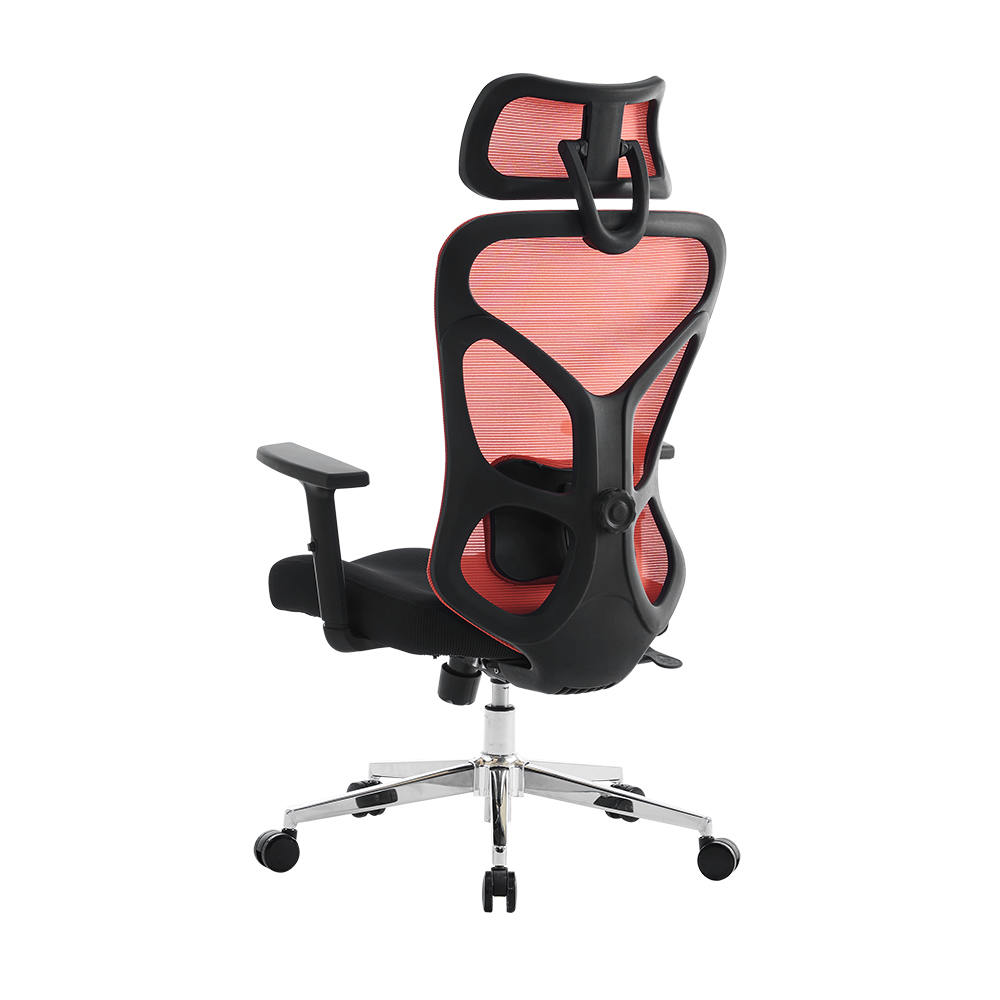 China Wholesale ODM/OEM 5128 Comfortable computer chair home office chair studenAnji Kechen Furniture Co., Ltd. Is China Wholesale ODM/OEM 5128 Comfortable computer chair home office chair student dormitory lifting sw...View Product →
Taller and Heavier Users
Taller users should prioritize seat depth and backrest height. A backrest that ends in the middle of the shoulder blades can feel fine for short sessions, but it becomes restrictive during long workdays because the user cannot recline naturally without the top of the backrest pushing into the shoulders. Heavier users should confirm the weight capacity of the chair base and gas lift before considering the visual size of the seat. A chair that is visually large but has a low capacity rating will not remain stable.
Shared workstations need adjustment range more than a perfect static fit. Pneumatic seat height adjustment, adjustable armrests, and a tilt mechanism allow two different users to set the chair to their own body measurements without tools. When adjusting a shared chair, make sure the control levers are within easy reach and that the mechanism does not require excessive force.
Test the Fit Before You Commit
Read the specification sheet first, but do not stop there. Sit on the chair at working height for at least ten minutes with your typical posture. Check whether your feet stay flat, whether your knees can move freely, and whether the lumbar curve remains in contact when you reach for the keyboard.
During the sit test, look for these signs:
- Your lower back can keep contact with the backrest without you leaning forward.
- The front edge of the seat does not press into the back of your calves.
- Your elbows rest at the same height as the desk surface.
- The chair remains stable when you lean back or change position.
- Armrests do not lift your shoulders or force your elbows outward.
If you need a chair for both office work and gaming sessions, check the same fit while leaning back or using a keyboard on your lap. A good office chair size should not feel correct only in one fixed posture. For more specific adjustments tied to gaming posture, our ergonomics and performance advice for gaming office chairs can help you compare the right features alongside the measurements.