Español
 日本語
日本語 Deutsch

Article Directory
In high-traffic residential environments, the longevity of a living room gaming chair is primarily dictated by the mechanical resistance of its surface material. Unlike dedicated office environments, a living room setting subjects furniture to diverse stressors, including abrasive friction from various textiles, UV exposure from windows, and potential chemical interactions from household spills. For engineers and procurement specialists, selecting an upholstery that balances tactile comfort with a high Martindale rub count is essential for maintaining the chair's structural and aesthetic integrity over a 5-to-10-year lifecycle.
Comparative Analysis of Synthetic and Natural Upholstery Polymers
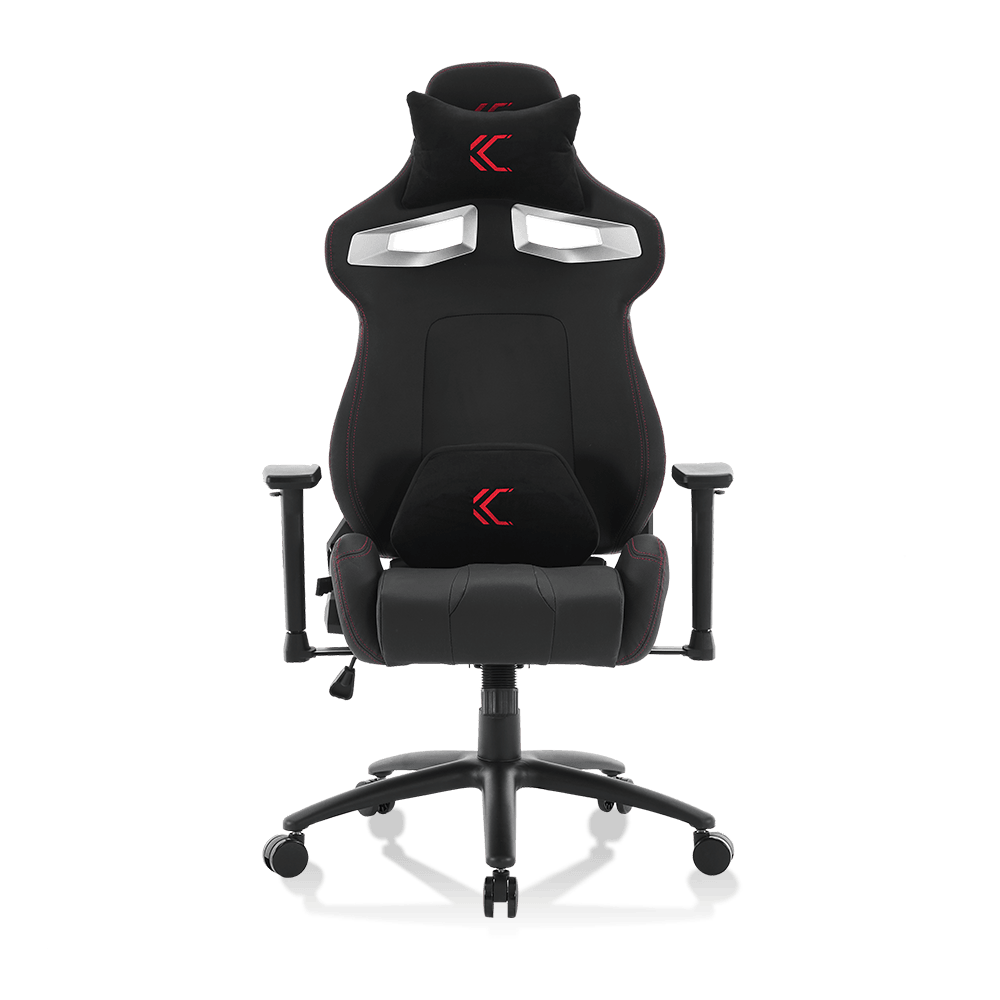
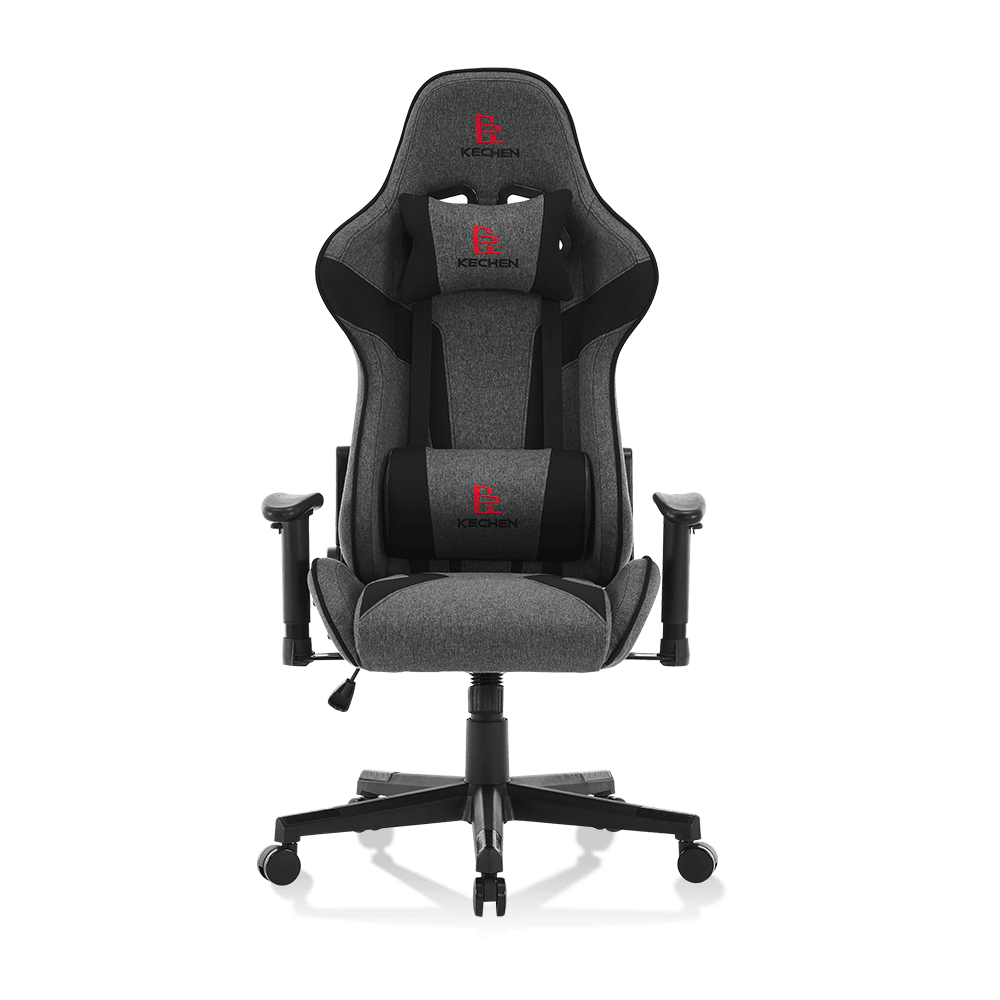
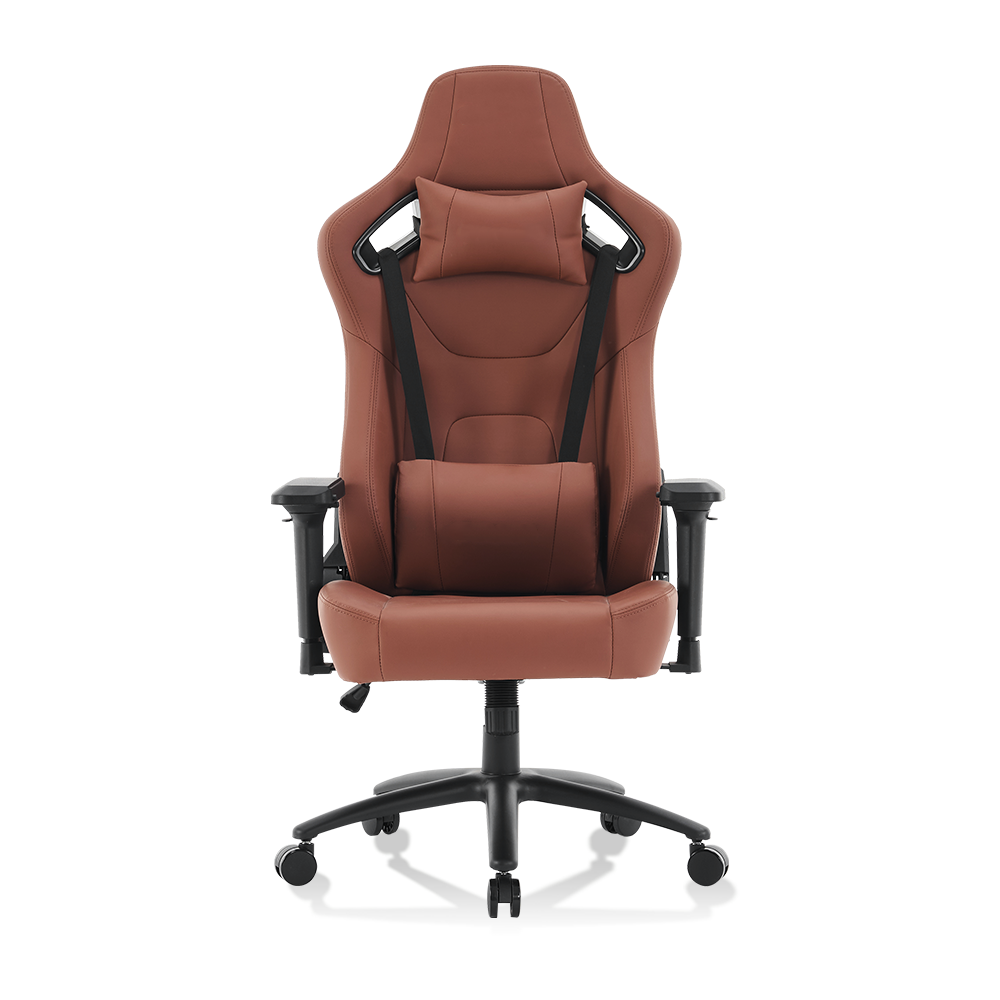
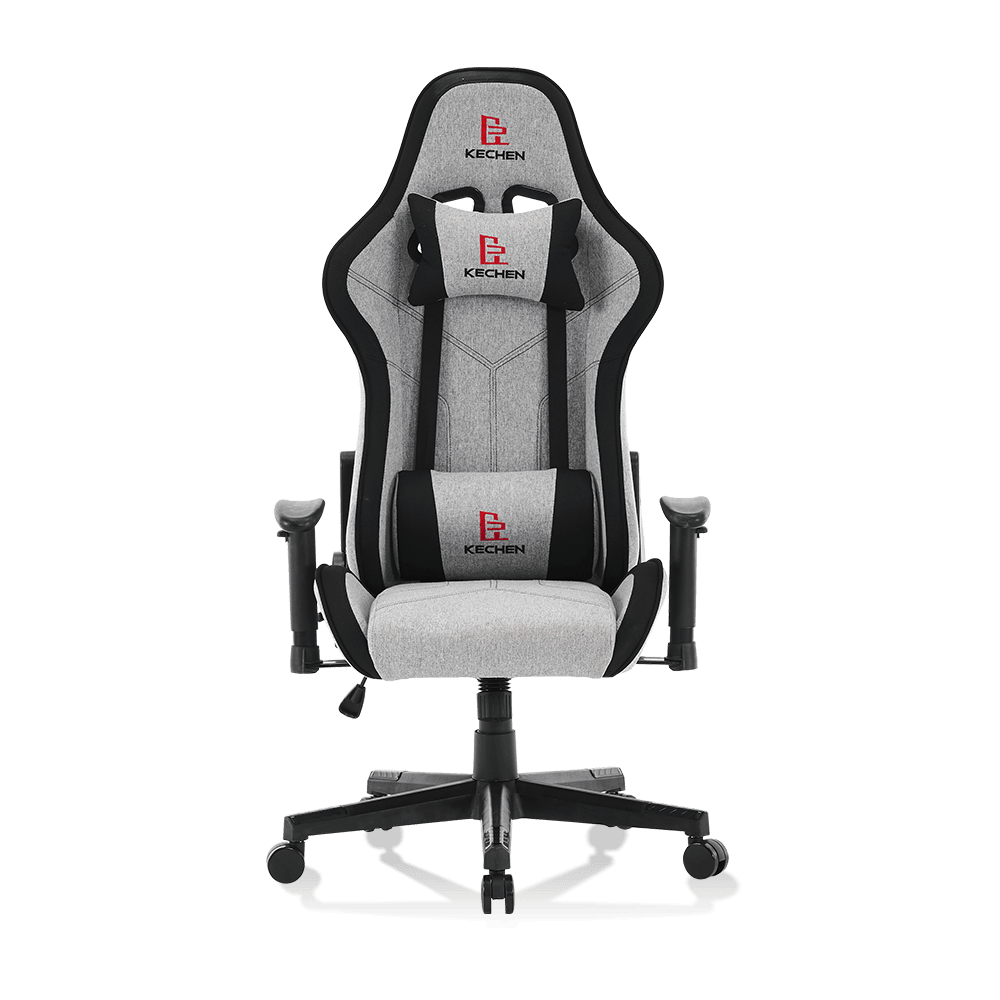
The durability of gaming chair leather vs fabric is a frequent point of technical debate. Polyurethane (PU) leather is favored for its liquid resistance, but its susceptibility to hydrolysis—the chemical breakdown of the polymer layer due to moisture—remains a critical failure point in humid climates. Conversely, high-performance breathable fabric for gaming chairs, such as solution-dyed polyester or nylon blends, offers superior tear strength and thermal regulation. Zhejiang Anji Kechen Furniture Co., Ltd., located in the "Hometown of the World Chair Industry," utilizes advanced R&D to calibrate the density of these materials, ensuring they meet rigorous utility model patents for wear resistance.
When evaluating how to choose durable upholstery for gaming chairs, the Martindale test provides a standardized metric. A "Heavy Duty" rating requires the material to withstand over 30,000 rubs without significant fiber degradation. The following table summarizes the physical properties of common upholstery choices used in large-scale production at our 8,000 square meter facility:
| Material Property | Premium PU Leather | High-Tensile Mesh | Cationic Fabric |
| Martindale Rub Count | 35,000 - 50,000 | 80,000+ | 40,000 - 60,000 |
| Hydrolysis Resistance | 3 - 5 Years | Excellent | Excellent |
| Tear Strength (ISO 13937) | Moderate | High | Very High |
Mechanical Stress and Structural Reinforcement in High-Traffic Areas
The living room gaming chair must also account for the "dynamic load" caused by frequent movement. Beyond the upholstery, the abrasion resistance of gaming chair materials is supported by the underlying cold-cured foam density. Zhejiang Anji Kechen Furniture Co., Ltd. employs high-resiliency (HR) foam with a density exceeding 50kg/m3, which prevents the upholstery from over-stretching and forming permanent wrinkles. This structural synergy is a result of a full product chain system integrating design and quality testing to ensure ergonomics are maintained under continuous use.
- Color Fastness (ISO 105-B02): Ensuring that living room gaming chair colors do not fade when placed near sunlit windows.
- Pilling Resistance: Utilizing pilling-resistant textiles for gaming chairs to prevent the formation of fiber balls on the seat surface.
- Stain Repellency: Applying fluorocarbon-free hydrophobic coatings to fabric options for easier maintenance in family rooms.
Which is the best gaming chair material for pets?
For households with pets, scratch-resistant upholstery for gaming chairs is a mandatory engineering requirement. Microfiber and specialized "cat-scratch" fabrics provide a tighter weave that prevents claws from snagging the loops. Zhejiang Anji Kechen Furniture Co., Ltd. independently cultivates technical backbones to innovate in these textile blends, exporting several utility models to North America and Europe that specifically target pet-friendly durability standards without sacrificing the sophisticated appearance required for living room integration.
Chemical Stability and Environmental Compliance
The lifespan of PU leather gaming chairs can be significantly extended through the use of EPU (Extraordinary Polyurethane), which offers up to 10 years of hydrolysis resistance. Furthermore, eco-friendly gaming chair upholstery standards, such as OEKO-TEX or REACH compliance, ensure that no volatile organic compounds (VOCs) are released into the living space. Our manufacturing process focuses on precise product positioning, ensuring that every living room gaming chair exported meets these safety and environmental benchmarks.
| Compliance Standard | Technical Threshold | Engineering Result |
| REACH Regulation | SVHC < 0.1% | Non-toxic chemical footprint |
| Cigarette Test (BS 5852) | No Ignition | Fire safety in residential areas |
| Tensile Strength (ASTM D5034) | > 200 N | Prevention of seam failure |
How to clean fabric vs leather gaming chairs?
Maintaining a stain-resistant living room gaming chair requires different protocols based on the material. PU leather is easily sanitized with a pH-neutral damp cloth, while easy-clean fabric gaming chair designs often feature removable covers or utilize yarns that do not absorb oil-based stains. At Zhejiang Anji Kechen Furniture Co., Ltd., we prioritize practicality, establishing a comprehensive after-sales system to guide users on maximizing the service life of their ergonomic furniture through proper maintenance.
FAQ
Does genuine leather last longer than PU for a gaming chair?
Genuine leather offers superior breathability and a longer lifespan (10+ years) but requires regular conditioning and is more susceptible to UV damage and staining compared to high-grade synthetic EPU.
Is a mesh backrest durable enough for a living room?
High-tensile mesh is extremely durable and offers the best thermal regulation; however, in a living room setting, it may not provide the same "aesthetic warmth" as cationic fabric or leather-look materials.
What causes the peeling of gaming chair upholstery?
Peeling is usually the result of hydrolysis in low-quality PU leather, where moisture and heat break down the adhesive bond between the polymer coating and the fabric backing.
How does foam density affect upholstery life?
Lower-density foam collapses over time, causing the upholstery to sag and develop friction-heavy creases that lead to premature tearing at the seams.
Are fabric gaming chairs better for hot climates?
Yes, breathable textiles allow for much higher air permeability than synthetic leathers, preventing the accumulation of heat and moisture between the user and the chair surface.
Technical References
- ISO 12947-2: Textiles — Determination of the abrasion resistance of fabrics by the Martindale method.
- ASTM D4157: Standard Test Method for Abrasion Resistance of Textile Fabrics (Wyzenbeek Method).
- BIFMA X5.1: American National Standard for Office Furnishings - General Purpose Office Chairs.