Español
 日本語
日本語 Deutsch

Article Directory
- 1 1. Anthropometric Compatibility: Headrest Height and Tall User Requirements
- 2 2. Dynamic Movement: Does the Frame Limit Shoulder Mobility?
- 3 3. Ergonomic Synergy: Lumbar and Headrest Coordination
- 4 Conclusion: The Verdict for Tall Professionals
- 4.1 Frequently Asked Questions (FAQ)
- 4.1.1 1. Can a mesh ergonomic office chair with headrest be too tall for short users?
- 4.1.2 2. Is a headrest necessary for ergonomic chairs if I have a tall torso?
- 4.1.3 3. How does cooling mesh office chair with headrest technology help?
- 4.1.4 4. How to adjust headrest on mesh office chair for the best fit?
- 4.1.5 5. What are the benefits of headrest in mesh office chairs for gaming?
- 4.2 Industry References
- 4.1 Frequently Asked Questions (FAQ)
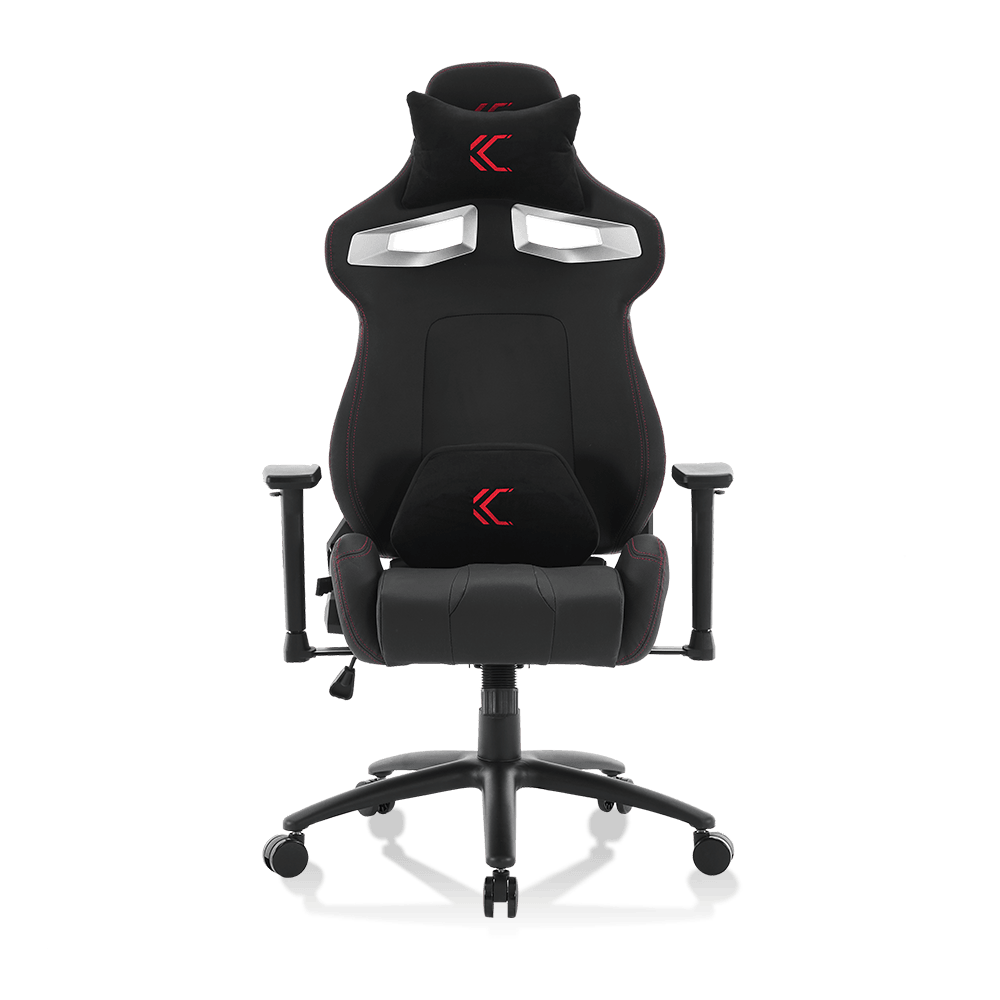
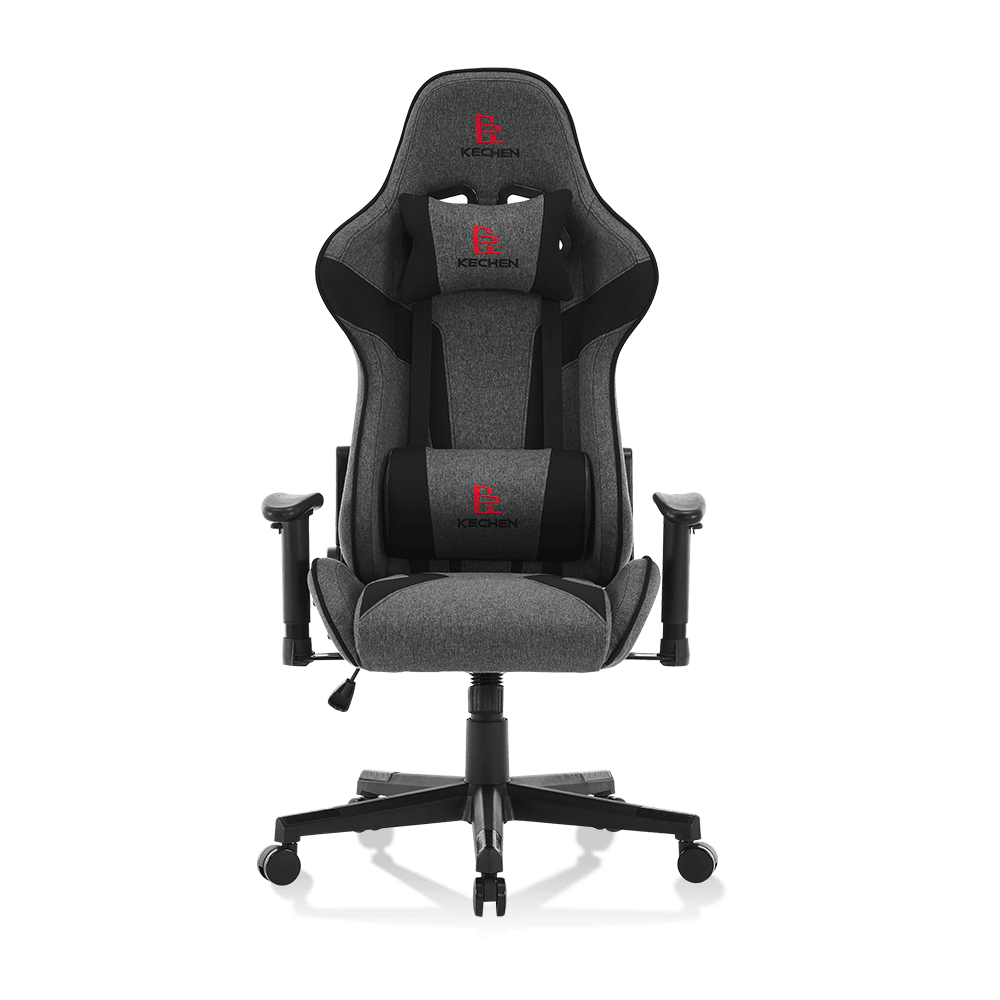
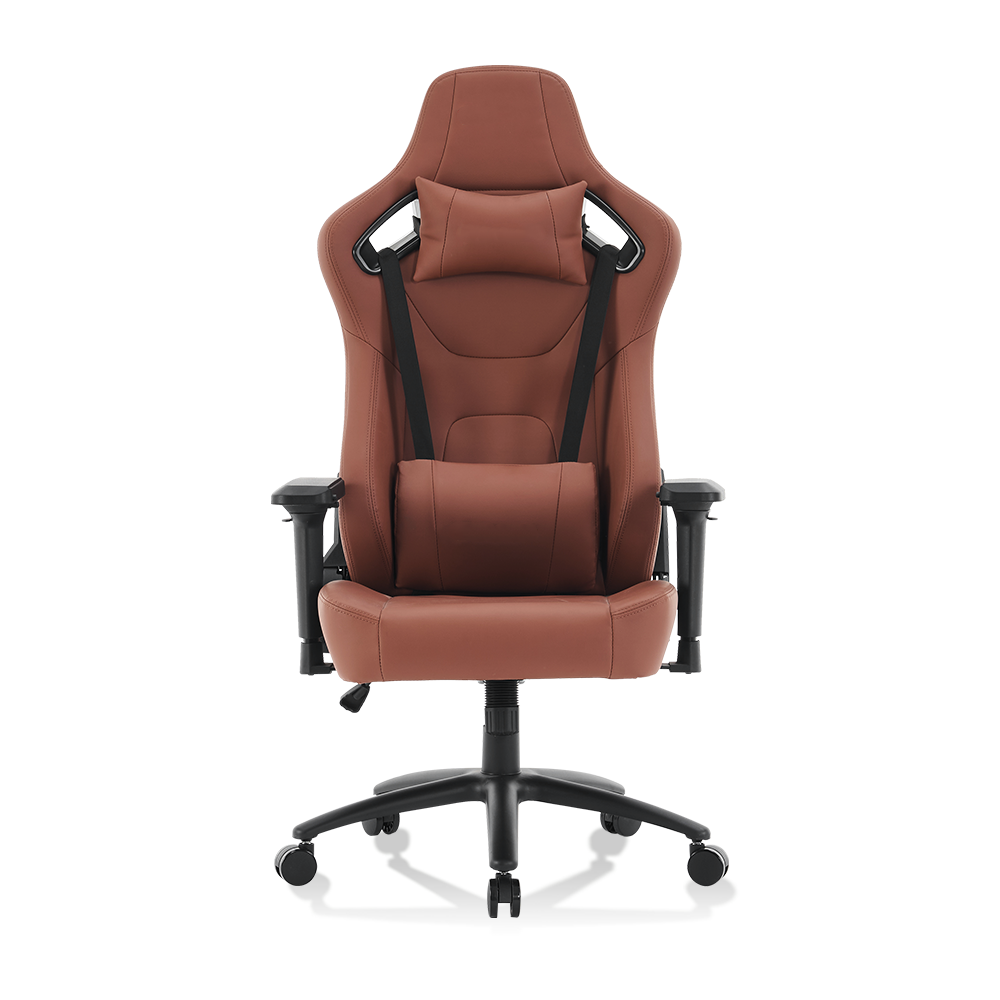
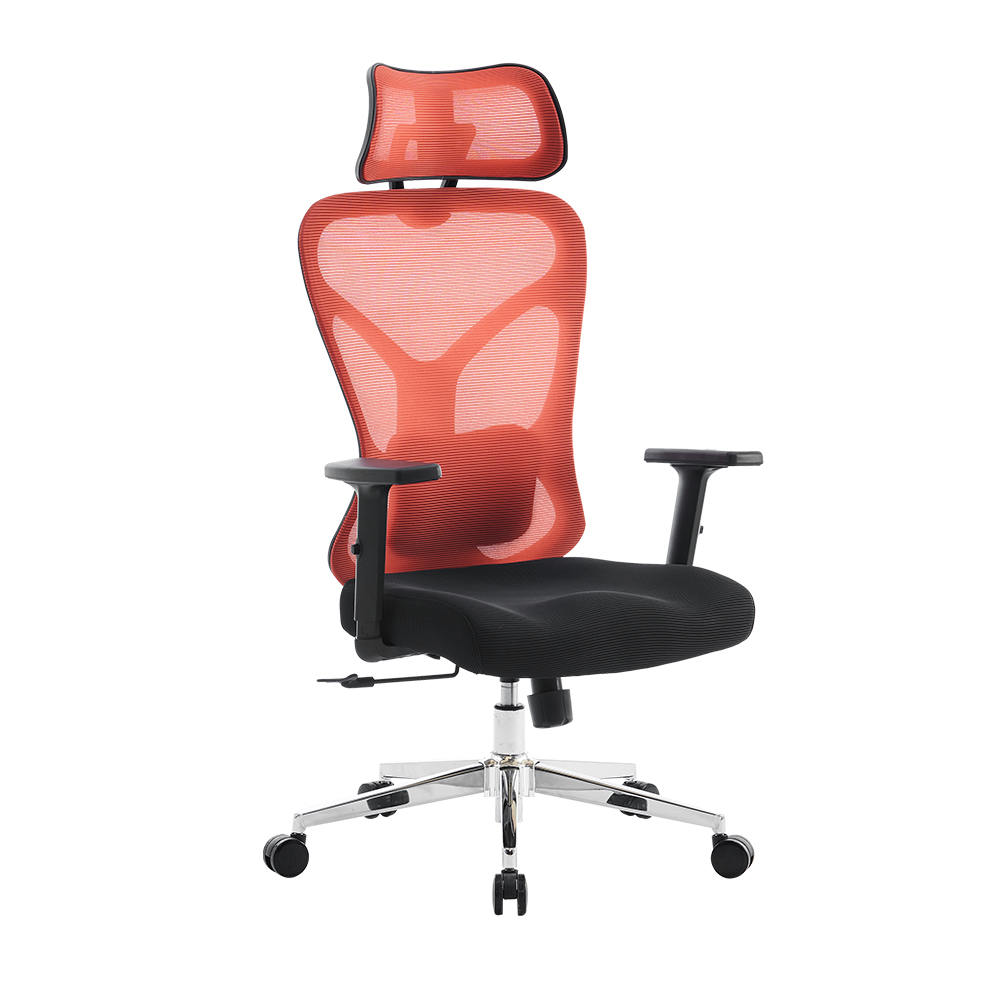
For tall professionals, the search for the perfect workspace solution often leads to a critical question: does a mesh ergonomic office chair with headrest provide the necessary cervical support, or does the structural frame of the headrest impede the natural range of motion of the scapula? At Zhejiang Anji Kechen Furniture Co., Ltd., located in the world-renowned "Hometown of the World Chair Industry," our R&D center focuses on solving these specific anthropometric challenges. With several utility models and appearance patents, we integrate industrial design with technical services to ensure our mesh ergonomic office chair with headrest meets the high standards of users in North America and Europe. This article provides an engineering-level analysis of how headrest geometry and mesh tension impact users above the 95th percentile in height and whether these chairs truly compromise shoulder mobility.
1. Anthropometric Compatibility: Headrest Height and Tall User Requirements
The primary concern for tall individuals is the effective height of the backrest. If a high back mesh chair for tall person has an insufficiently adjustable headrest, the unit may press against the upper thoracic spine rather than the cervical curve. To avoid this, a mesh ergonomic office chair with headrest must feature a multi-dimensional adjustment system. When comparing adjustable vs fixed headrest for tall users, a fixed headrest often acts as a physical barrier that pushes the shoulders forward, whereas an adjustable version can be retracted or elevated to clear the acromion process. Understanding how to adjust headrest on mesh office chair for maximum height is crucial; for users over 190cm, the headrest must reach a vertical apex that supports the occipital bone without restricting the trapezius muscles. At Kechen Furniture, our ergonomic mesh chair for 6 foot person designs utilize extended gas lifts and high-positioned headrest tracks to solve this common industry bottleneck.
Headrest Height and User Fit Comparison
- Standard Ergonomic Chairs: Usually optimized for the 5th to 85th percentile (up to 180cm), often leading to "shoulder crowding" for taller users.
- Kechen Tall-Spec Chairs: Optimized for the 95th percentile, providing a mesh office chair headrest for neck pain relief without interfering with the shoulder blades.
| User Height Range | Standard Backrest Design | Tall-Spec Mesh Design (Advantage) |
| 160cm - 175cm | Ideal Alignment | Compatible |
| 180cm - 195cm | Headrest hits shoulder blades | Headrest aligns with cervical spine |
| Shoulder Mobility | Restricted (Frame interference) | Full Range (Tapered backrest) |
2. Dynamic Movement: Does the Frame Limit Shoulder Mobility?
A frequent critique of headrest-equipped chairs is the restriction of lateral and rotational shoulder movement. This occurs when the headrest frame is too wide or the backrest is too square. A breathable mesh office chair with adjustable headrest from a technical perspective should feature a "neck-narrow" design. This allows the user to reach backward or rotate their torso without the scapula hitting the plastic perimeter. Testing shoulder mobility in office chairs involves checking if the user can perform a full shoulder roll without contacting the headrest support. Many users ask: is a headrest necessary for ergonomic chairs? While not mandatory for everyone, the benefits of headrest in mesh office chairs for tall users include significant reduction in tension on the levator scapulae during reclined tasks. By choosing a mesh chair with 2D or 3D adjustable headrest, tall users can fine-tune the depth and angle to ensure it stays out of the way during active typing and only provides support during rest.
Engineering Factors for Mobility
- Frame Tapering: Reducing the width of the upper backrest to provide "shoulder pockets."
- Pivot Point Positioning: Ensuring the headrest pivots at the base of the skull, not the middle of the back.
- Mesh Suspension: Utilizing cooling mesh office chair with headrest technology to allow the body to sink slightly into the chair, effectively increasing the relative height of the headrest.
| Design Feature | Impact on Mobility | Tall User Experience |
| Wide Square Back | High Restriction | Shoulder impingement during rotation |
| S-Curve Contoured Mesh | Zero Restriction | Natural thoracic expansion |
| 3D Headrest Support | Low Restriction | Customizable clearance for traps |
3. Ergonomic Synergy: Lumbar and Headrest Coordination
For tall users, the mesh ergonomic office chair with headrest must work in tandem with lumbar support. If the lumbar is too low, the user slumps, making the headrest feel even more restrictive. A mesh office chair with lumbar and headrest support that is independently adjustable ensures that the spine maintains its natural "S" shape. When comparing mesh vs leather headrest for tall office chairs, mesh is often superior for tall users because it is less bulky, providing the same support with a thinner profile that is less likely to obstruct movement. Kechen's best mesh ergonomic chair for long hours features a weight-sensitive reclining mechanism that maintains the headrest's relative position to the eyes, which is essential for tall users who often struggle with monitor height alignment.
Conclusion: The Verdict for Tall Professionals
In conclusion, a mesh ergonomic office chair with headrest is highly suitable for tall users, provided the engineering accounts for the 95th percentile height and employs a tapered backrest design to preserve shoulder mobility. By selecting a chair with a mesh office chair headrest for neck pain that offers sufficient vertical travel, tall users can enjoy full cervical support without the risk of scapular impingement. Zhejiang Anji Kechen Furniture Co., Ltd. remains committed to the principle of "ergonomics first," ensuring our full product chain—from industrial design to quality testing—delivers a high-quality experience for users of all statures.
Frequently Asked Questions (FAQ)
1. Can a mesh ergonomic office chair with headrest be too tall for short users?
Yes. If the headrest doesn't adjust low enough, it may push the head forward. It is important to check the minimum and maximum adjustment range before purchase.
2. Is a headrest necessary for ergonomic chairs if I have a tall torso?
For tall users, a headrest is highly recommended to prevent "forward head posture" during reclined work, which can lead to chronic neck strain.
3. How does cooling mesh office chair with headrest technology help?
The mesh allows for air circulation at the back of the neck, a common heat-trap area. This keeps the user comfortable and prevents the skin irritation that can occur with leather or foam headrests.
4. How to adjust headrest on mesh office chair for the best fit?
Sit upright with your feet flat. Slide the headrest up until it fits into the curve of your neck (the cervical spine). If you feel it hitting your shoulders, it is too low.
5. What are the benefits of headrest in mesh office chairs for gaming?
During long gaming sessions, players often recline. A headrest provides a resting point for the head, reducing the workload on the neck muscles and allowing for better focus during intense gameplay.
Industry References
- BIFMA X5.1: American National Standard for Office Furnishings - General Purpose Office Chairs.
- ISO 9241-5: Ergonomic requirements for office work with visual display terminals (VDTs).
- HFES 100-2007: Human Factors Engineering of Computer Workstations.
- Kechen Furniture R&D Center: "Anthropometric Study on Headrest Clearance for Tall Demographics" (2025).