Español
 日本語
日本語 Deutsch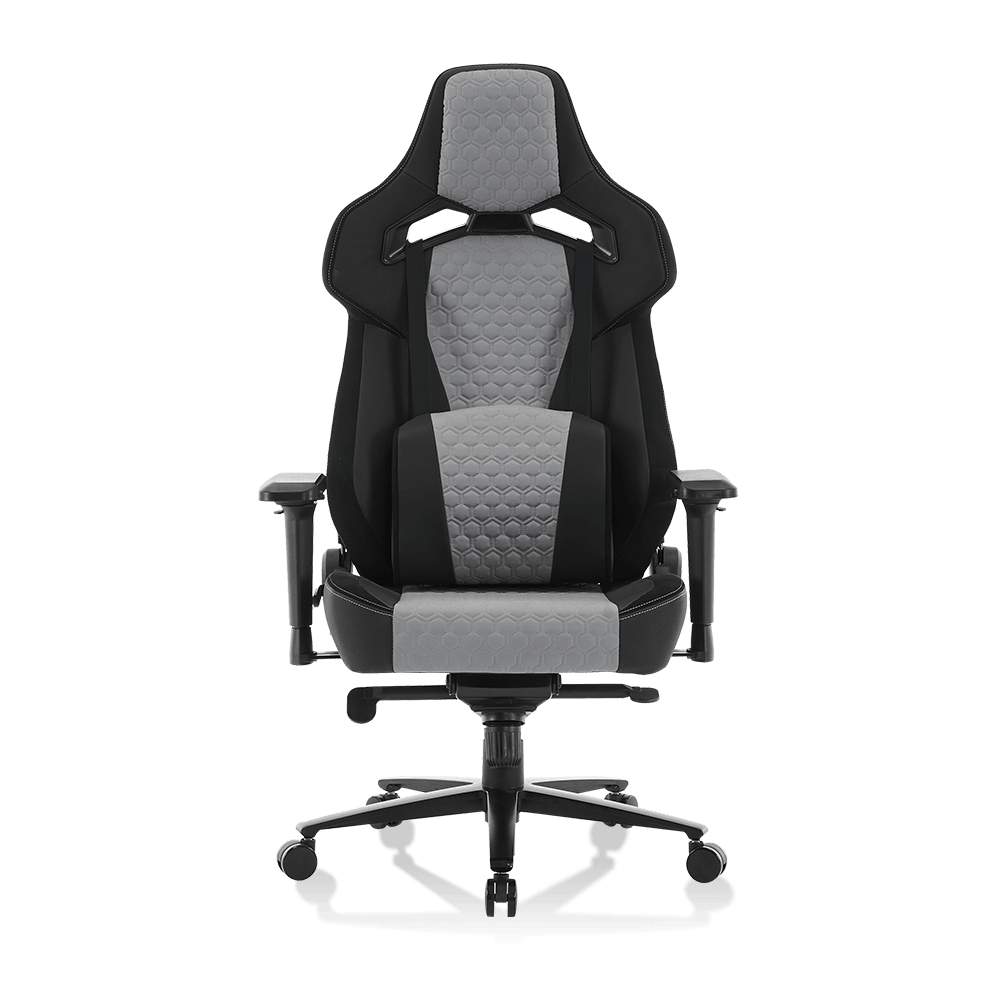

Article Directory
- 1 The Shift from Racing Aesthetics to Minimalist Ergonomics
- 2 Material Selection: Fabric vs. Leather in Minimalist Spaces
- 3 The Engineering of Hidden Support Mechanisms
- 4 Spatial Optimization: Footprints and Swivel Bases
- 5 Conclusion: Quality Meets Interior Harmony
- 6 Frequently Asked Questions (FAQ)
- 6.1 1. Can I find a home office gaming chair without wheels for a cleaner look?
- 6.2 2. Why are gaming chairs usually so bulky compared to minimalist office chairs?
- 6.3 3. Does a minimalist design mean I lose out on the "Zero Gravity" tilt?
- 6.4 4. Is fabric better than PU leather for a minimalist home office?
- 6.5 5. How do I maintain the minimalist look of my gaming setup?
- 7 Industry References
The rise of the hybrid workspace has created a unique design challenge: merging the high-performance ergonomics of a home office gaming chair with the clean, uncluttered lines of minimalist interior design. Traditionally, gaming furniture was characterized by aggressive "racing" aesthetics and neon accents. However, modern industrial design is shifting toward "stealth" ergonomics. Zhejiang Anji Kechen Furniture Co., Ltd., located in the "Hometown of the World Chair Industry," is at the forefront of this evolution. With an 8,000-square-meter facility and a dedicated R&D center, we integrate technical services and industrial design to create chairs that meet patent-level quality standards while maintaining an understated profile suitable for sophisticated homes.
The Shift from Racing Aesthetics to Minimalist Ergonomics
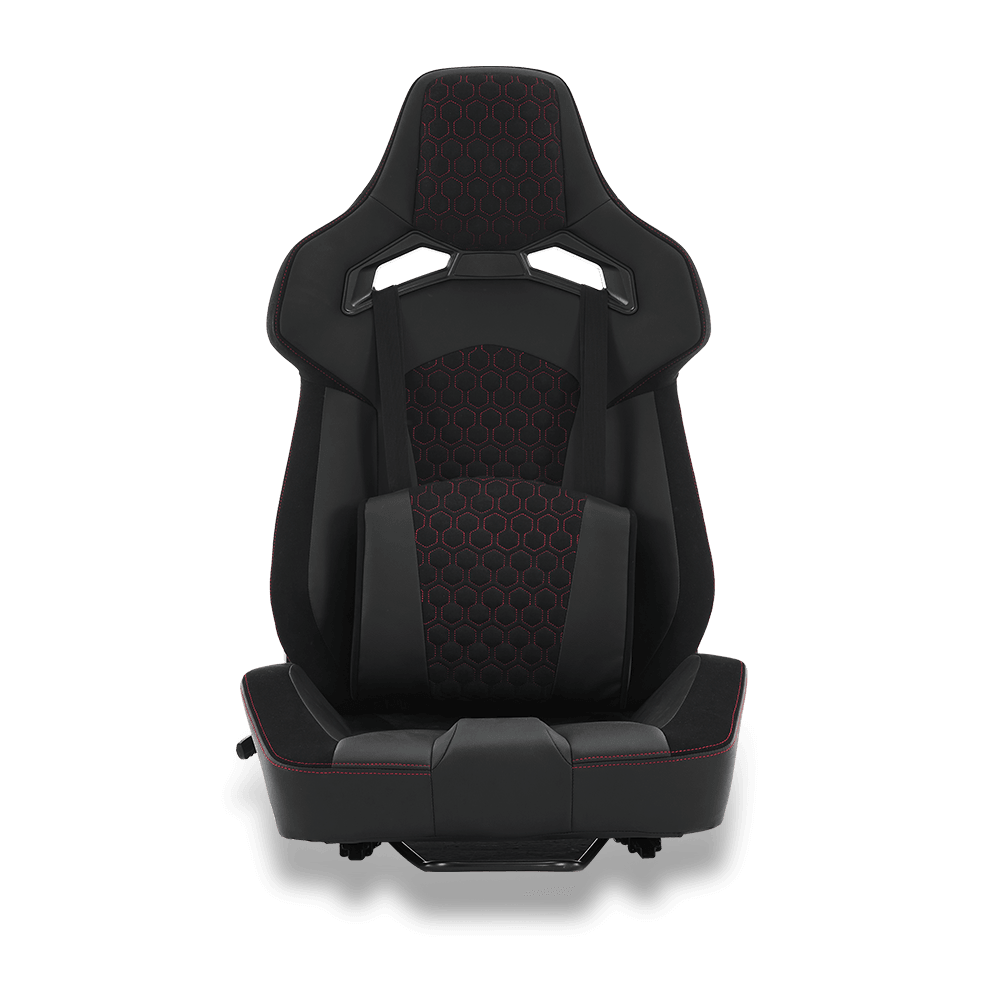
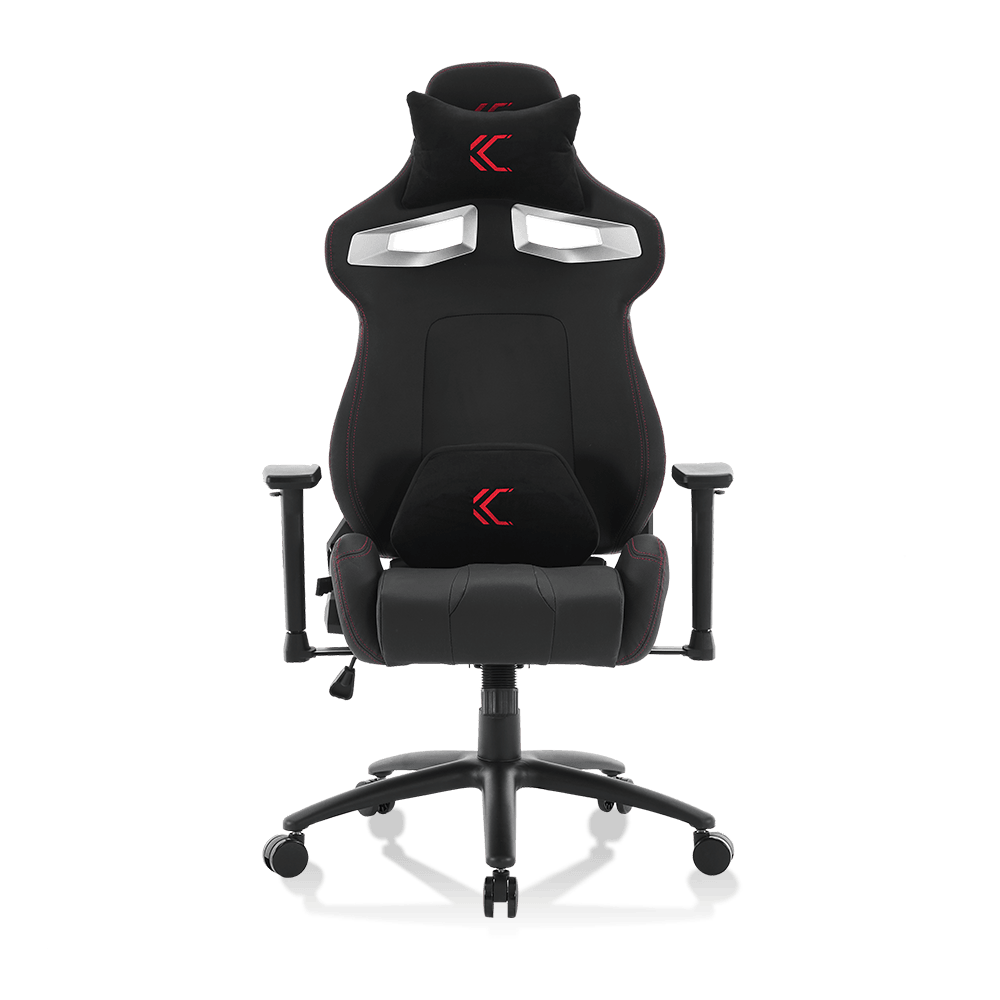
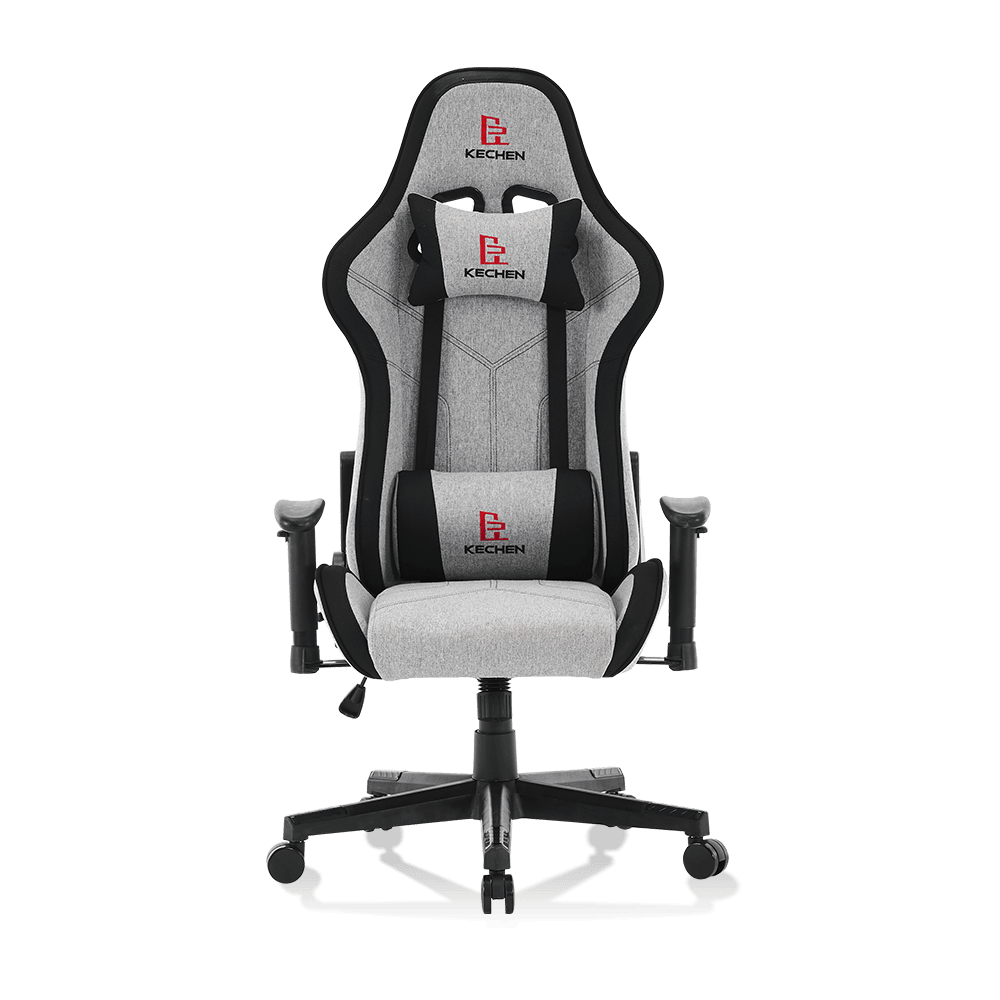
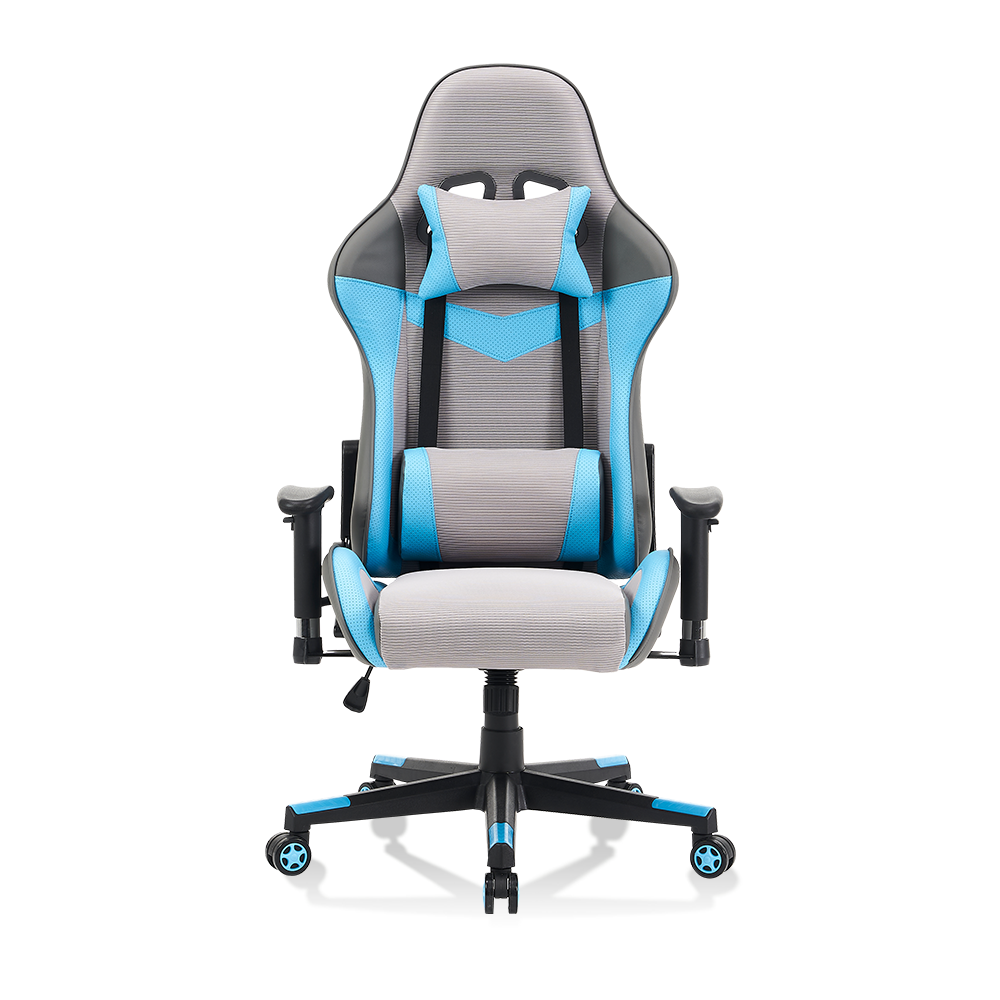
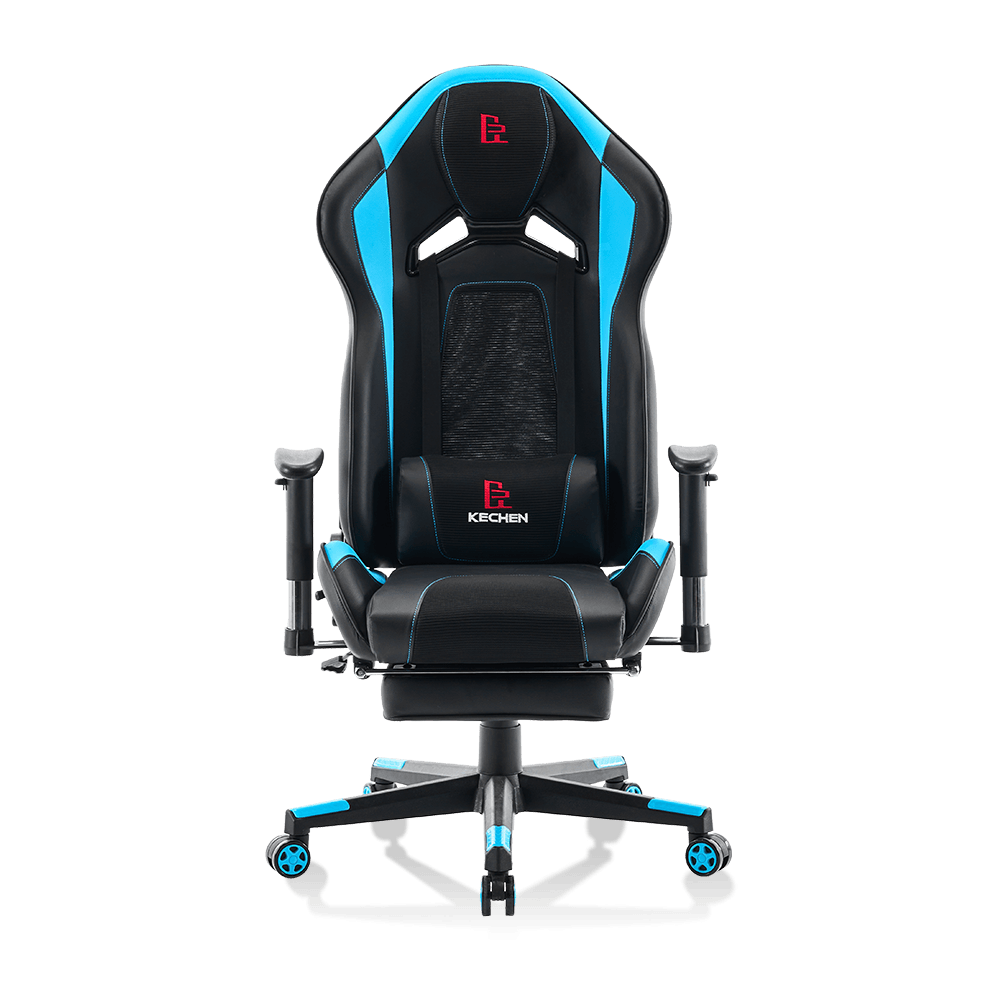
Minimalism is defined by "less is more," focusing on neutral palettes and functional forms. For many users, the primary hurdle is how to hide a gaming chair in a living room or a multi-functional office. The solution lies in choosing a home office gaming chair that utilizes mono-chromatic schemes—such as slate gray, obsidian black, or soft cream—rather than contrasting colors. While traditional gaming chairs focus on visual impact, minimalist versions prioritize "tactile quality," using premium fabrics or matte finishes that blend into the wall textures and cabinetry.
Comparison: Traditional Gaming Design vs. Minimalist Aesthetic
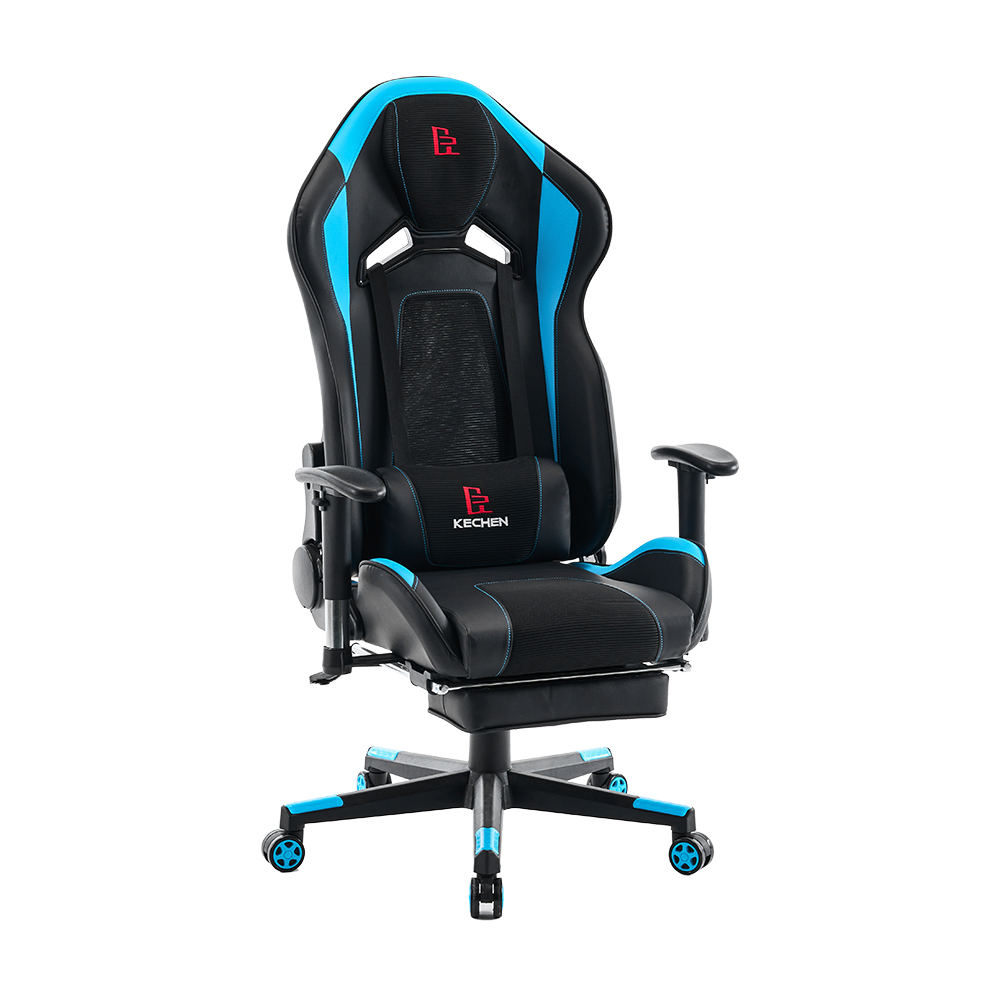
Traditional designs utilize heavy branding and large footprints, whereas minimalist designs favor a slim profile and hidden adjustment levers.
| Design Element | Traditional Racing Style | Minimalist Stealth Style |
| Color Palette | High-contrast (Red/Blue/Neon) | Neutral (Gray/Beige/Matte Black) |
| Form Factor | Bulky, winged "Bucket" seat | Sleek, contoured ergonomic shell |
| Material Texture | Glossy PU Leather | Breathable Mesh or Soft-touch Fabric |
Material Selection: Fabric vs. Leather in Minimalist Spaces
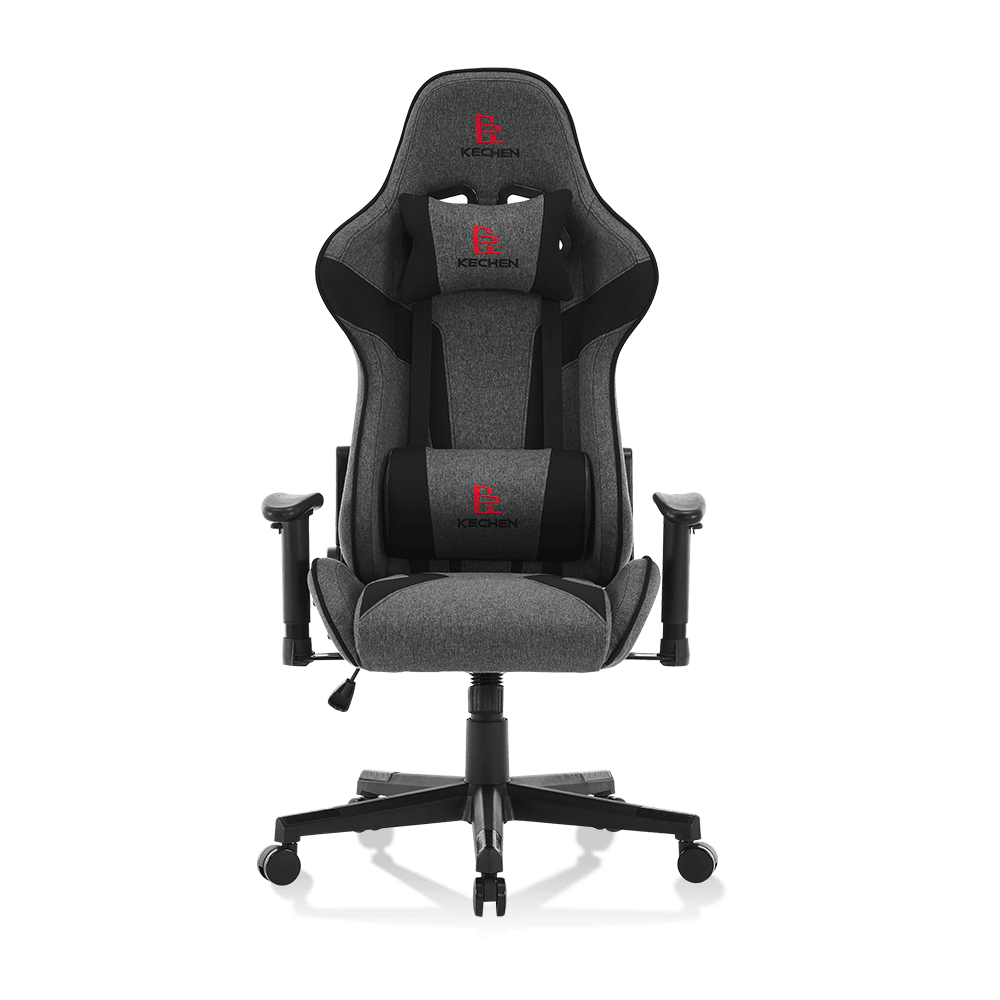
In a minimalist setting, texture acts as the primary visual interest. Choosing a breathable mesh gaming chair for home office use is an excellent choice for minimalism because the transparency of the mesh reduces the "visual weight" of the chair, making the room appear larger. Alternatively, soft-touch fabrics provide a warm, residential feel that aligns with "Japandi" or Scandi-style interiors. Engineers at Zhejiang Anji Kechen Furniture Co., Ltd. focus on the durability of these textiles, ensuring they pass rigorous friction and quality testing while maintaining a high-end look.
Comparison: Visual Weight of Different Upholstery
Mesh materials offer the most significant "spatial transparency," while fabric provides a cohesive look with living room furniture.
| Upholstery Type | Minimalist Impact | Maintenance Level |
| Breathable Mesh | High Transparency (Feels lighter) | Low (Dust resistant) |
| Premium Fabric | High Cohesion (Matches sofas) | Moderate (Requires vacuuming) |
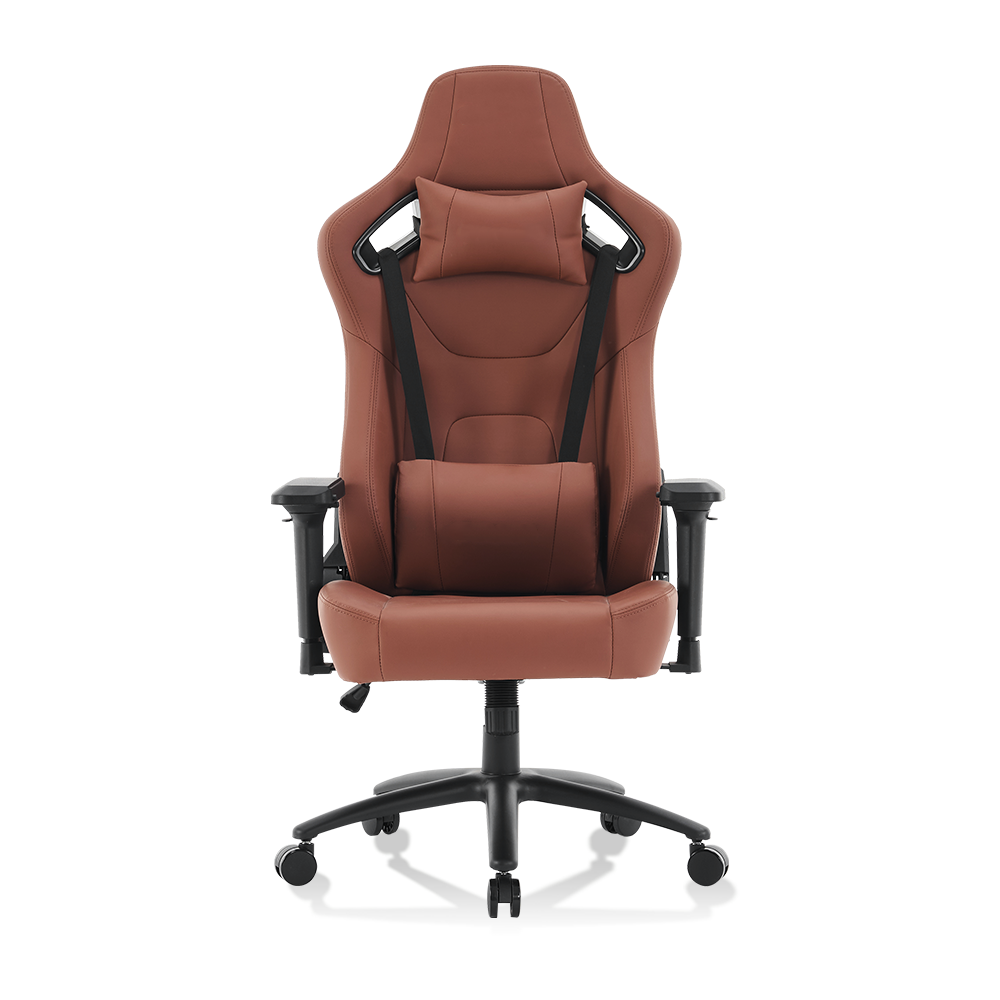
| Matte PU Leather | Industrial/Sleek | Very Low (Wipeable) |
The Engineering of Hidden Support Mechanisms
A true minimalist home office gaming chair does not sacrifice functionality. Instead, it hides its complexity. Users often look for a home office gaming chair with lumbar support that is integrated into the backrest rather than provided by an external, bulky pillow. Integrated support systems utilize internal tension cables or flexible polymer "ribs" that adjust to the spine's natural S-curve without disrupting the chair's clean silhouette. Our R&D center holds several patents for appearance and utility models that focus on these discreet ergonomic solutions.
Key Technical Features for Stealth Ergonomics:
- Integrated Lumbar: Internal dial-adjusted mechanisms instead of straps and pillows.
- 4D Armrests: Finished in matte textures to avoid a "plastic" look while offering height and pivot adjustments.
- Class-4 Gas Lifts: Providing a slim yet robust height adjustment system capable of supporting high-load cycles.
Spatial Optimization: Footprints and Swivel Bases
Minimalism requires a clear floor plan. When researching what is the best small gaming chair for office use, focus on the diameter of the 5-star base. A polished aluminum or nylon base with a diameter of 650mm to 700mm provides the necessary stability for 360-degree swiveling while remaining compact enough to tuck under a desk when not in use. Additionally, using "silent-glide" casters prevents floor scuffing, maintaining the pristine floor aesthetics typical of minimalist homes.
Comparison: Base Material Aesthetics
Aluminum bases offer a modern, architectural feel, while reinforced nylon provides a seamless, unified look with the chair's body.
| Base Material | Minimalist Style Category | Durability Grade |
| Polished Aluminum | Modern/Industrial Minimal | Highest (Anti-corrosion) |
| Matte Reinforced Nylon | Soft/Organic Minimal | High (Impact resistant) |
Conclusion: Quality Meets Interior Harmony
Selecting a home office gaming chair for a minimalist interior is an exercise in balancing technical performance with visual silence. By focusing on neutral colors, integrated ergonomics, and spatial transparency through mesh materials, you can enjoy professional-grade comfort without compromising your design vision. Zhejiang Anji Kechen Furniture Co., Ltd. continues to bridge this gap, delivering high-quality, ergonomically optimized chairs trusted by domestic and foreign customers alike.
Frequently Asked Questions (FAQ)
1. Can I find a home office gaming chair without wheels for a cleaner look?
While wheels are standard for office mobility, some minimalist designs utilize sled bases or "glides." However, for most home offices, 4-way casters in a matching matte color are the best compromise between design and practicality.
2. Why are gaming chairs usually so bulky compared to minimalist office chairs?
Traditional gaming chairs use thick padding for 10-hour sessions. Minimalist versions solve this by using high-density molded foam, which provides the same support with a much thinner profile.
3. Does a minimalist design mean I lose out on the "Zero Gravity" tilt?
Not at all. High-end models from Zhejiang Anji Kechen Furniture Co., Ltd. use a "multi-functional tilt mechanism" that allows for deep reclining while maintaining a slim side-profile when upright.
4. Is fabric better than PU leather for a minimalist home office?
Fabric is often preferred in minimalist "home" settings because it lacks the glossy sheen of leather, allowing it to blend more naturally with curtains and rugs.
5. How do I maintain the minimalist look of my gaming setup?
Pair your chair with a desk that has built-in cable management. A clean chair only looks minimalist if the surrounding environment is free of tangled wires and clutter.
Industry References
- BIFMA X5.1: American National Standard For Office Furnishings - General Purpose Office Chairs.
- ISO 9241-5: Ergonomic requirements for office work with visual display terminals.
- Human Factors and Ergonomics Society (HFES 100) Guidelines.
- Journal of Industrial Design: Trends in Minimalist Office Furniture (2025-2026).