Español
 日本語
日本語 Deutsch

Article Directory
- 1 1. Dynamic 2D/3D Headrest for Cervical Support
- 2 2. Synchronous Tilt Mechanism with Tension Control
- 3 3. 4D Adjustable Armrests for Upper Body Relief
- 4 4. Depth-Adjustable Seat Slider
- 5 5. Adaptive Lumbar Support for Spinal Integrity
- 6 Conclusion: The Professional Choice for Longevity
- 7 Frequently Asked Questions (FAQ)
- 7.1 1. Is a mesh vs leather office chair ergonomics better for long hours?
- 7.2 2. How to adjust mesh office chair for lower back pain?
- 7.3 3. Why is a headrest necessary for an ergonomic chair?
- 7.4 4. Can a heavy duty mesh office chair with 300 lbs capacity still be comfortable?
- 7.5 5. What makes Anji Kechen Furniture different from other manufacturers?
- 8 Industry References
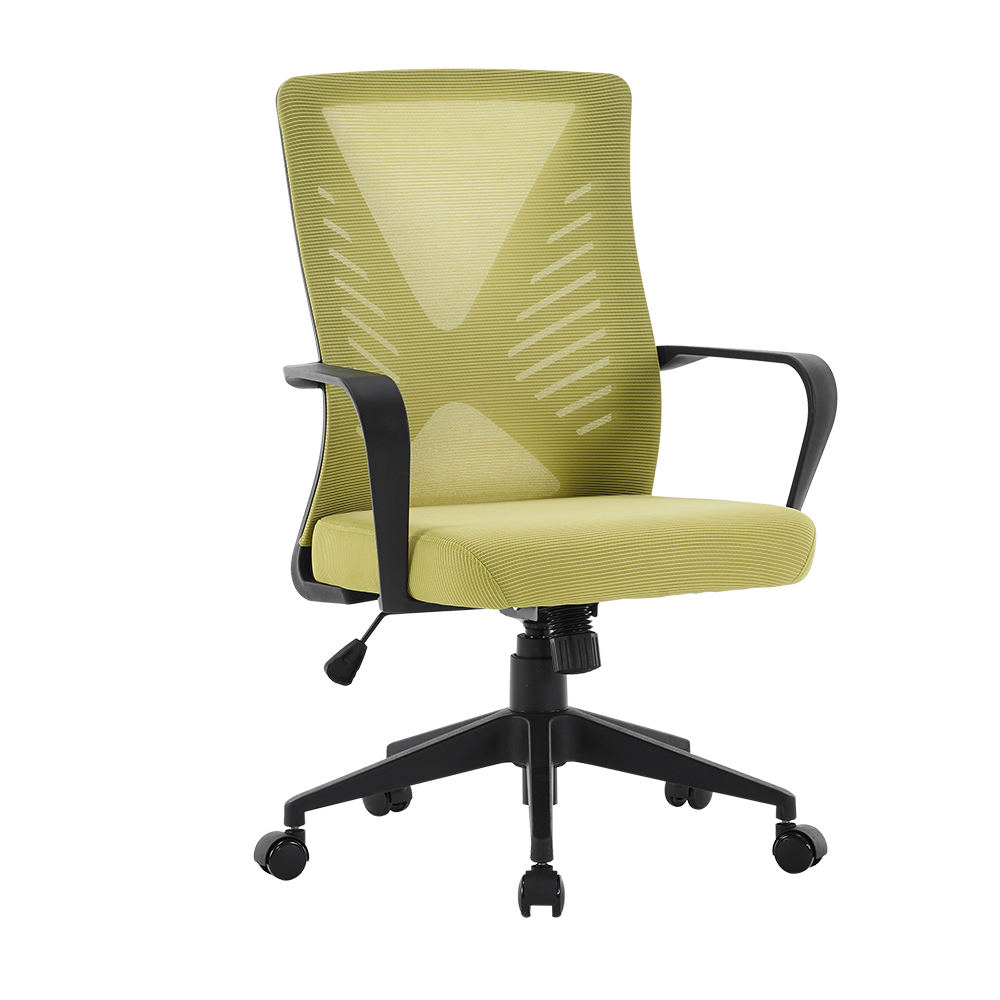
In the modern workspace, the seating solution is no longer just furniture; it is a critical component of occupational health and productivity. A high-quality mesh ergonomic office chair with headrest is engineered to mitigate the physiological strain of sedentary work. Zhejiang Anji Kechen Furniture Co., Ltd., situated in the "Hometown of the World Chair Industry," leverages an 8,000-square-meter facility and a dedicated R&D center to pioneer these ergonomic advancements. By integrating industrial design with precise manufacturing, we ensure that every chair meets rigorous international standards. For professionals seeking the best ergonomic office chair for long hours, understanding the technical nuances of adjustment features is essential for preventing musculoskeletal disorders. This guide delves into the five non-negotiable features that define a premium ergonomic experience.
1. Dynamic 2D/3D Headrest for Cervical Support
The primary function of a headrest in a mesh ergonomic office chair with headrest is to offload the weight of the cranium from the cervical spine. A premium headrest must offer at least two dimensions of adjustment: height and angle. This ensures that the support matches the natural curve of the neck regardless of the user's height. While a fixed headrest may force the neck into an unnatural forward position, an ergonomic chair for neck pain relief allows for micro-adjustments that maintain the head's neutral alignment. At Anji Kechen Furniture, our patented headrest designs focus on "dynamic fit," supporting the head during both upright tasking and reclined relaxation.
Comparison: Fixed vs. Adjustable Headrests
Adjustable headrests provide customized support for various anthropometric profiles, whereas fixed headrests often create pressure points for users who fall outside the average height range.
| Feature | Fixed Headrest | Adjustable 2D/3D Headrest |
| Cervical Alignment | Static; may cause neck strain | Dynamic; supports the C1-C7 vertebrae |
| User Compatibility | Limited to a narrow height range | Universal (5th to 95th percentile) |
| Posture Versatility | Supports upright sitting only | Supports upright and deep recline |
2. Synchronous Tilt Mechanism with Tension Control
A synchronous tilt mechanism is a hallmark of the best ergonomic office chair for long hours. This feature ensures that the backrest reclines at a higher ratio than the seat (typically 2:1), which keeps the user's feet flat on the floor and the torso open, promoting better blood circulation. When discussing how to adjust mesh office chair for lower back pain, the tilt tension is paramount. The resistance must be fine-tuned to the user's body weight, allowing for effortless movement without the sensation of "falling back." Anji Kechen Furniture utilizes high-precision chassis systems to provide smooth, multi-position locking tilt, ensuring the high back mesh office chair with lumbar support remains stable at any angle.
3. 4D Adjustable Armrests for Upper Body Relief
Armrests are vital for reducing the load on the trapezius and shoulder muscles. A premium mesh ergonomic office chair with headrest should feature 4D armrests, allowing for adjustments in height, width, depth, and pivot angle. This prevents "elbow flare" and ensures the wrists remain in a neutral position while typing. In the mesh vs leather office chair ergonomics debate, the breathability of the mesh is often complemented by the tactile comfort of soft-touch PU arm pads, which reduce contact stress on the ulnar nerve. Proper armrest positioning is a critical step in achieving a truly ergonomic workstation setup.
Comparison: Standard vs. 4D Armrests
Standard armrests only provide height adjustment, while 4D armrests allow the user to align the support perfectly with their keyboard and desk height.
| Adjustment Dimension | Standard 1D Armrest | Premium 4D Armrest |
| Lateral (Width) | Fixed | Adjustable (Accommodates shoulder width) |
| Depth (Forward/Back) | Fixed | Adjustable (Prevents desk interference) |
| Pivot Angle | None | Inward/Outward (Supports natural typing angle) |
4. Depth-Adjustable Seat Slider
Seat depth is an often-overlooked feature that determines the distribution of pressure across the thighs. A mesh ergonomic office chair with headrest equipped with a seat slider allows the user to adjust the distance between the backrest and the edge of the seat. This ensures there is a 2-3 inch gap between the seat edge and the back of the knees, preventing the restriction of popliteal blood flow. For users researching breathable mesh office chair benefits, the combination of a seat slider and a waterfall seat edge design is the ultimate solution for long-term lower-limb comfort and health.
5. Adaptive Lumbar Support for Spinal Integrity
The lumbar region requires constant support to maintain the spine's natural S-curve. Premium chairs feature height-adjustable or depth-adjustable lumbar systems that target the L1-L5 vertebrae. Zhejiang Anji Kechen Furniture Co., Ltd. integrates adaptive lumbar technology into our mesh ergonomic office chair with headrest, allowing the support to flex and move with the user's micro-movements. This active support is essential for those seeking heavy duty mesh office chair with 300 lbs capacity, as the structural integrity of the lumbar piece must remain consistent under higher loads without losing its ergonomic shape.
Technical Design Pillars at Anji Kechen:
- Quality Testing: Every component undergoes BIFMA-standard testing for durability and safety.
- Ergonomic Research: Designs are based on human factor engineering to optimize the user experience.
- High-Elasticity Mesh: Utilizing premium polymers that offer structural tension without sagging over time.
- Full Product Chain: From industrial design to after-sales, ensuring a seamless quality loop.
Conclusion: The Professional Choice for Longevity
Selecting a mesh ergonomic office chair with headrest is an investment in long-term wellness. By prioritizing dynamic headrests, synchronous tilt, 4D armrests, seat sliders, and adaptive lumbar support, users can create a workspace that enhances focus and minimizes physical fatigue. Zhejiang Anji Kechen Furniture Co., Ltd. remains committed to providing these high-specification solutions, blending the craftsmanship of Anji's chair industry with cutting-edge technology to serve our global partners in North America, Europe, and beyond.
Frequently Asked Questions (FAQ)
1. Is a mesh vs leather office chair ergonomics better for long hours?
Mesh is generally superior for long hours due to its breathability, which prevents heat buildup and perspiration. It also provides more uniform pressure distribution compared to some traditional foam-padded leather chairs.
2. How to adjust mesh office chair for lower back pain?
First, adjust the height so your feet are flat and knees are at 90 degrees. Then, slide the lumbar support up or down until it fits into the curve of your lower back. Finally, use the seat slider to ensure your thighs are fully supported without pressing against the back of your knees.
3. Why is a headrest necessary for an ergonomic chair?
A headrest is crucial for an ergonomic chair for neck pain relief, especially if you spend time in a reclined position. it supports the weight of your head, allowing your neck and shoulder muscles to relax during phone calls or reading tasks.
4. Can a heavy duty mesh office chair with 300 lbs capacity still be comfortable?
Yes. High-capacity chairs are engineered with reinforced frames and high-density mesh that maintains its tension. The ergonomic features remain the same, but the materials are tested for higher stress levels.
5. What makes Anji Kechen Furniture different from other manufacturers?
We are a "physical technology enterprise" that integrates the entire chain—from R&D and appearance patents to quality testing and marketing. Our focus is on the precision of ergonomics combined with large-scale manufacturing excellence.
Industry References
- ANSI/BIFMA X5.1-2017: American National Standard for Office Furnishings.
- ISO 9241-5: Ergonomic requirements for office work with visual display terminals (VDTs).
- Human Factors and Ergonomics Society (HFES) 100-2007 Standard.
- Zhejiang Anji Kechen Internal R&D: Technical Report on Cervical Support Dynamics (2024).