Español
 日本語
日本語 Deutsch

Article Directory
- 1 I. Introduction: The Thermal Challenge of Prolonged Seating
- 2 II. Material Science: Enhancing Permeability and Conduction
- 3 III. Structural Design: Maximizing Airflow and Convection
- 4 IV. Procurement and Quality Assurance
- 5 V. Conclusion: Engineered for Sustained Comfort
- 6 VI. Frequently Asked Questions (FAQ)
- 6.1 1. How does mesh fabric provide better cooling than PU leather for 24 hour gaming chair cooling technology review?
- 6.2 2. What is the technical mechanism of Advanced polymer cooling gel integration in chair foam?
- 6.3 3. What are the key Ventilation design principles for ergonomic office chairs that do not use full mesh?
- 6.4 4. When comparing Breathable mesh material vs PU leather for 24-hour seating, which material is generally more durable?
- 6.5 5. How does the ergonomic gaming office chair design address heat dissipation in the seat versus the backrest?
I. Introduction: The Thermal Challenge of Prolonged Seating
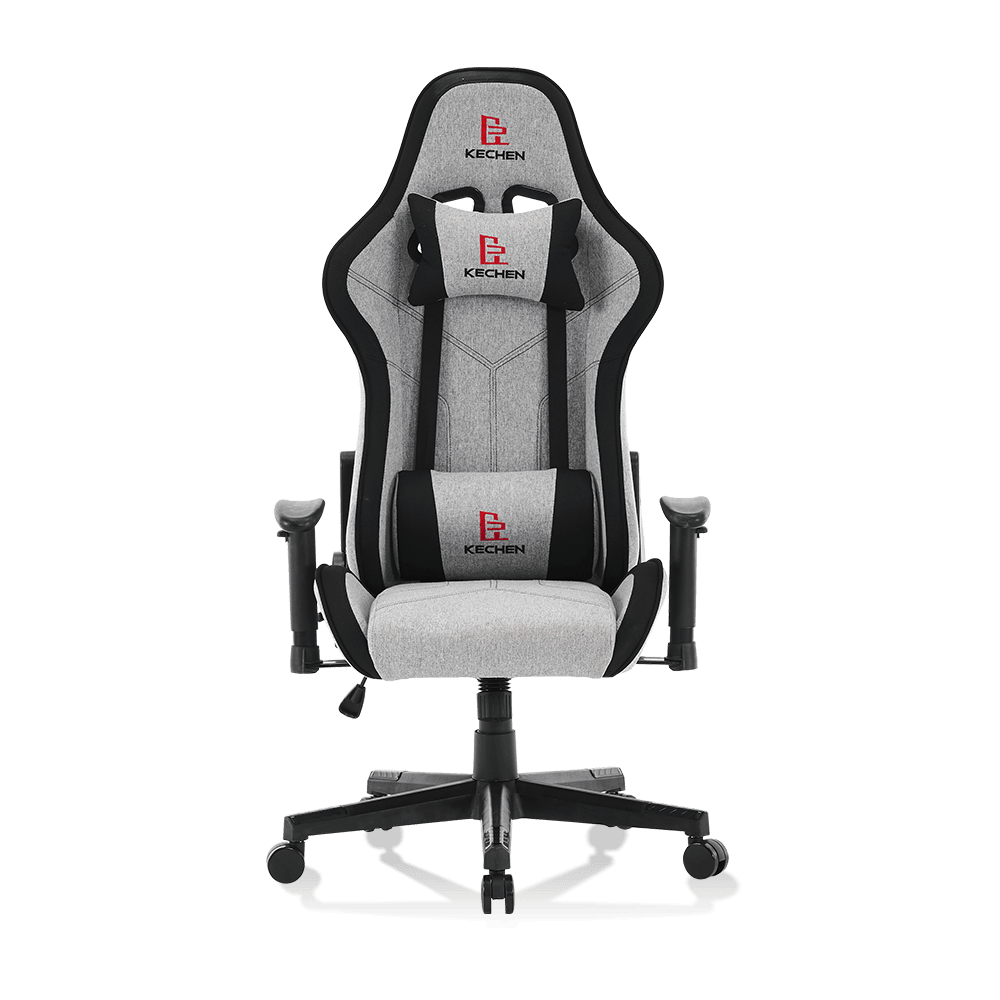
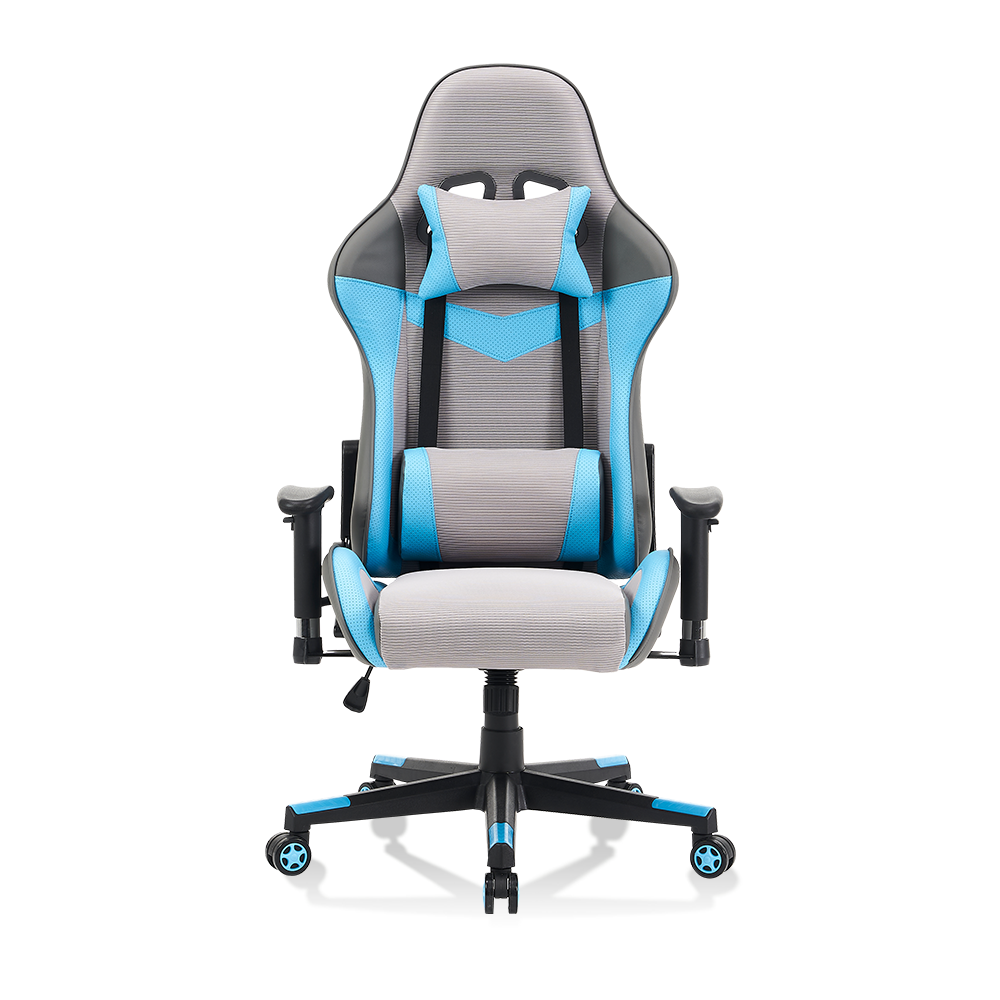
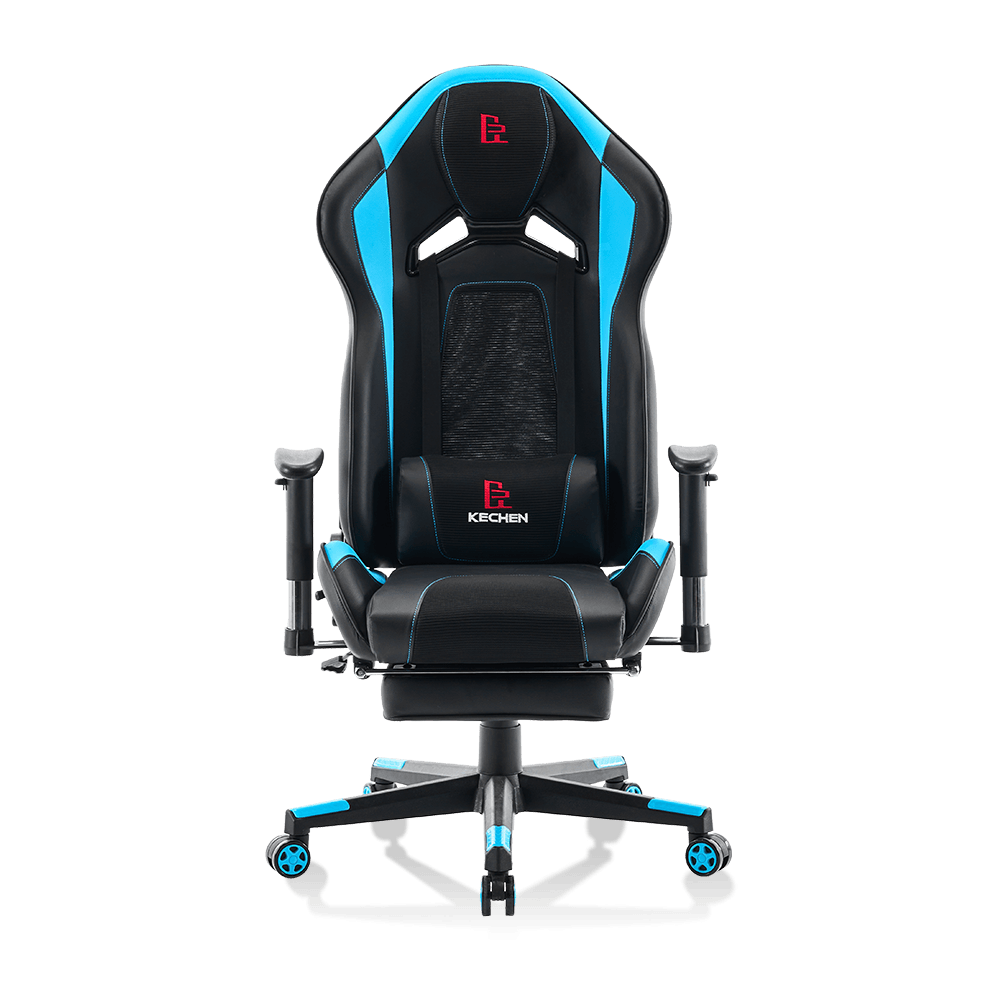
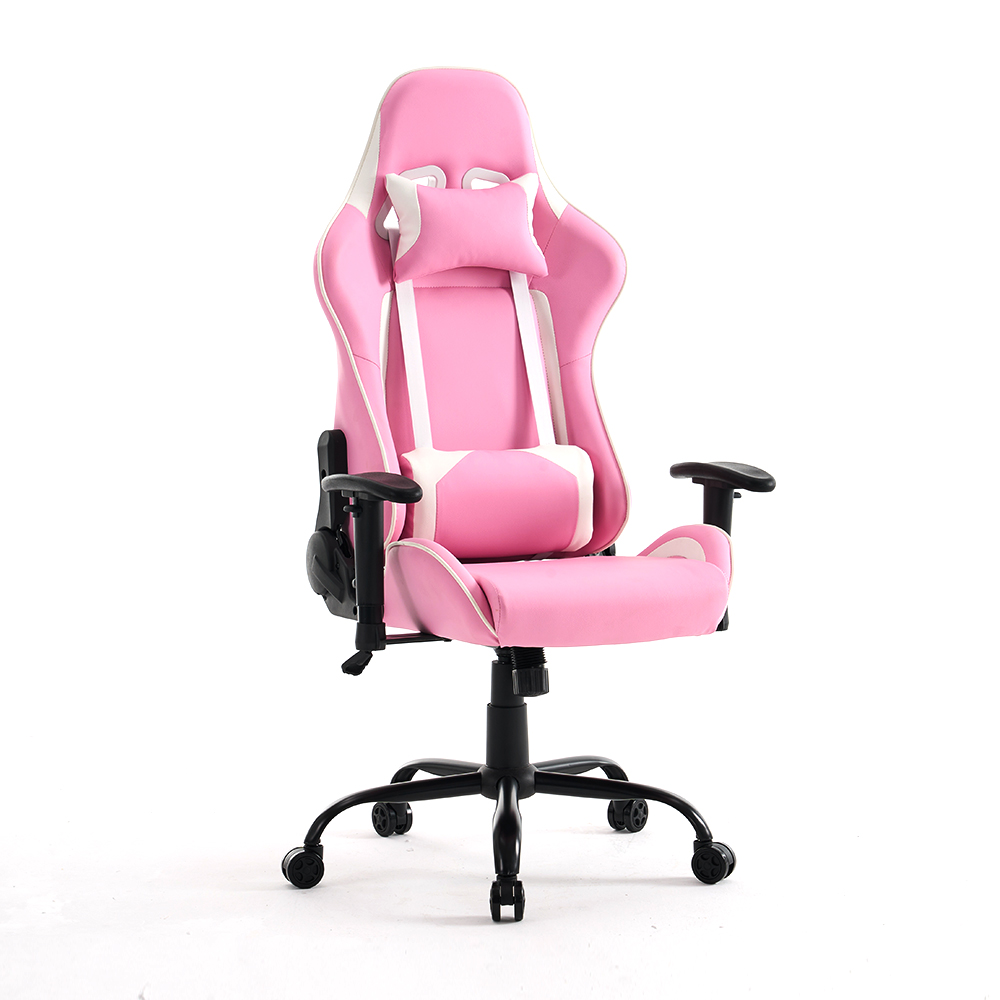
For B2B clients procuring high-performance seating, particularly within the ergonomic gaming office chair category, the primary technical metric for prolonged use (e.g., 24-hour operations centers or marathon gaming) is thermal management. Sustained sitting generates body heat and moisture, leading to "hot spots" that cause discomfort and reduce user focus. A successful design must actively mitigate this heat buildup through innovative materials and structural airflow design.
Zhejiang Anji Kechen Furniture Co., Ltd., located in the "Hometown of the World Chair Industry," is a physical technology enterprise dedicated to solving these complex ergonomic and environmental challenges. With an 8,000 square meter factory, a specialized R&D center, and numerous utility models and appearance patents, we integrate industrial design, manufacturing, and quality testing to ensure every product—from office to gaming chairs—is built on principles of ergonomics and high quality, trusted by domestic and foreign customers.
II. Material Science: Enhancing Permeability and Conduction
The selection of upholstery and cushioning foam dictates the chair's ability to conduct heat away from the user's body.
A. Phase Change Materials and Gel Integration
One of the most advanced Heat dissipation mechanisms in high-end gaming chairs involves the use of Phase Change Materials (PCM) embedded in the polyurethane foam. PCMs, often suspended within a gel matrix, absorb latent heat from the user's body as the material transitions its phase (e.g., solid to liquid) at a specific temperature (typically just below body temperature). This technical process, known as Advanced polymer cooling gel integration in chair foam, provides a substantial, measurable cooling effect by delaying the buildup of heat in the primary contact zone compared to standard PU foam.
Standard polyurethane foam, while supportive, acts as an insulator, trapping heat. Gel-integrated foam actively manages this heat transfer.
| Seat Material Type | Thermal Management Strategy | Impact on Contact Zone Temperature |
|---|---|---|
| Standard PU Foam | Insulation/Trapping | High heat retention; faster temperature rise |
| Gel-Infused Foam (PCM) | Conduction/Latent Heat Absorption (Meets Advanced polymer cooling gel integration in chair foam spec) | Lower peak temperature; slower heat saturation |
B. Surface Fabric Permeability
The choice of upholstery material significantly affects the 24 hour gaming chair cooling technology review. A direct comparison of Breathable mesh material vs PU leather for 24-hour seating reveals critical differences in Moisture Vapor Transmission Rate (MVTR) and air permeability. High-quality technical mesh (e.g., elastomeric polyester) features high permeability, allowing moisture and warm air to pass through the material freely. By contrast, non-perforated PU leather acts as a vapor barrier, trapping both heat and sweat, making it generally unsuitable for sustained 24-hour use unless paired with active cooling systems.
III. Structural Design: Maximizing Airflow and Convection
Cooling is not solely material-dependent; the physical structure of the chair must facilitate continuous air movement.
A. Passive Ventilation Mechanisms
Adherence to Ventilation design principles for ergonomic office chairs involves creating deliberate channels for passive airflow. The most effective structural design is a full-mesh backrest, which maximizes the convective cooling effect across the user's back. For chairs utilizing foam and leather, techniques include:
- Waterfall Seat Edges: Design that prevents the seat foam from compressing fully at the front, aiding circulation underneath the thighs.
- Channelled Foam: Sculpting horizontal or vertical grooves within the foam layer to create internal pathways for air movement.
- Separated Lumbar Support: Engineering the adjustable lumbar support unit to stand off from the main backrest, creating a permanent vertical chimney for hot air exhaust.
B. Thermal Efficiency in the 24 hour gaming chair cooling technology review
A high-performance ergonomic gaming office chair integrates these elements. For example, combining gel-infused foam (conduction cooling) with a technical mesh backrest (convection/permeability cooling) creates a holistic system that is far more effective than relying on a single feature. This multi-layered approach is the foundation of effective Heat dissipation mechanisms in high-end gaming chairs and is essential for achieving the comfort benchmark required for 24-hour applications.
IV. Procurement and Quality Assurance
Our comprehensive production system guarantees that the cooling and ergonomic features are delivered consistently.
A. R&D and Patent Protection
Through our dedicated R&D center, we continuously develop and patent solutions for enhanced user experience. Our technical backbones are independently cultivating new methods to improve the thermal performance and structural integrity of the ergonomic gaming office chair, ensuring our products maintain a competitive edge in design and function.
B. Testing and Certification
Our quality testing protocols verify the performance of the implemented cooling technologies. We test the foam's recovery and the mesh's tensile strength, ensuring the chair meets the public's demand for quality, practicality, and long-term durability, thereby building long-term cooperative relations with domestic and foreign customers.
V. Conclusion: Engineered for Sustained Comfort
The modern ergonomic gaming office chair must be a thermally engineered product to meet the demands of the 24 hour gaming chair cooling technology review. By strategically using Advanced polymer cooling gel integration in chair foam and adopting rigorous Ventilation design principles for ergonomic office chairs, manufacturers can deliver sustained comfort. Zhejiang Anji Kechen Furniture Co., Ltd. provides the technical foundation for B2B partners, offering chairs with effective Heat dissipation mechanisms in high-end gaming chairs that uphold the highest standards of ergonomics and quality.
VI. Frequently Asked Questions (FAQ)
1. How does mesh fabric provide better cooling than PU leather for 24 hour gaming chair cooling technology review?
- A: Mesh provides superior cooling because it is highly permeable, allowing continuous airflow (convection cooling) and facilitating a high Moisture Vapor Transmission Rate (MVTR). This means heat and sweat vapor are actively moved away from the body, a key finding in any 24 hour gaming chair cooling technology review.
2. What is the technical mechanism of Advanced polymer cooling gel integration in chair foam?
- A: The cooling gel often contains Phase Change Materials (PCMs) that absorb latent heat from the user's body as they transition phase (solid to liquid). This process delays the temperature rise in the foam, providing a localized, passive cooling effect in the seat cushion.
3. What are the key Ventilation design principles for ergonomic office chairs that do not use full mesh?
- A: Key Ventilation design principles for ergonomic office chairs include designing the foam with internal air channels (channelled foam), using perforated upholstery, and ensuring the lumbar support unit is engineered to create a gap between the user's back and the seat back to facilitate vertical airflow.
4. When comparing Breathable mesh material vs PU leather for 24-hour seating, which material is generally more durable?
- A: Modern, high-quality technical mesh can be highly durable, but PU leather is often perceived as having higher tear and puncture resistance. However, for true 24-hour seating, mesh often offers better long-term performance against material fatigue caused by continuous moisture (sweat) exposure, which can degrade PU coatings over time.
5. How does the ergonomic gaming office chair design address heat dissipation in the seat versus the backrest?
- A: Heat dissipation mechanisms in high-end gaming chairs are often segmented: the backrest typically relies on maximum permeability (mesh) for convection cooling, while the seat cushion (where body pressure is highest) relies on conductive materials like Advanced polymer cooling gel integration in chair foam to manage localized pressure-point heat buildup.